Best Things to Do in Nashville: A Local's Guide
From the Ryman and the Station Inn to Radnor Lake, Cheekwood and a proper meat-and-three, a local's map of Nashville beyond Lower Broad.
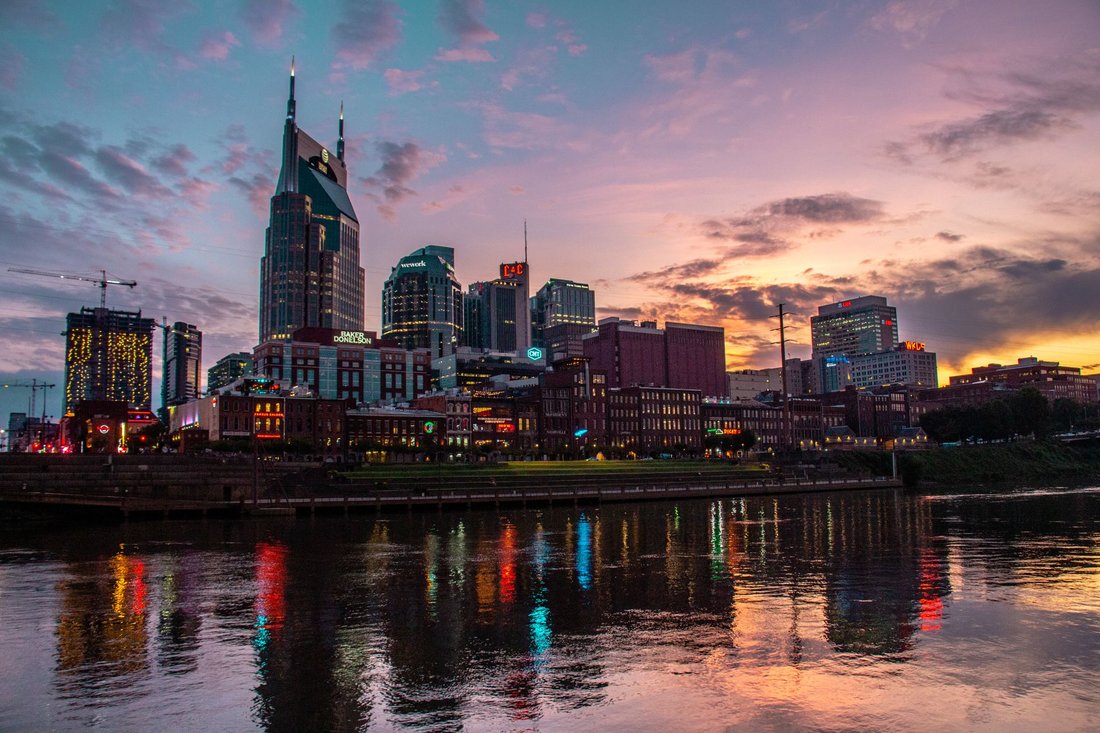
A fiddle starts up in a low-ceilinged brick room on 12th Avenue South, a banjo catches it a bar later, and the people at the long wooden tables stop talking. This is the Station Inn, a short drive from the bachelorette parade on Lower Broad and a world away from it. It is also a fair place to begin any list of the best things to do in Nashville, because it shows the city's real proportions: a working town where the listening matters more than the lights.
Nashville is two cities sharing a zip code. One is the neon strip, the pedal taverns and the cover bands. The other is a place of session players, nurses and administrators who keep HCA and Vanderbilt University Medical Center running, line cooks, schoolteachers and families whose grandparents sold produce at the Farmers' Market. The second city is where the good afternoons happen. This guide covers both, with a firm lean toward the second, and it is organized by what you want to do: hear music, walk outside, look at art and history, eat well, and settle into a neighborhood.
Best Things to Do in Nashville: Start With the Music Rooms
Everything else in town grows out of the music, so it makes sense to put the rooms first. Nashville has big, famous stages and tiny, serious ones, and the best visits mix the two. Pick one of each and give them your full attention.
Ryman Auditorium
The Ryman began in 1892 as the Union Gospel Tabernacle, and the church-pew seating and stained glass still give it the feel of a sanctuary that happens to hold a legend. From the 1940s into the 1970s it was the home of the Grand Ole Opry, which is why people call it the Mother Church of Country Music. The room is famous for its acoustics, and artists from every genre say the same thing: it is the rare hall where you hear the performer, not the PA system. Go for a show if you can, and treat the ticket as the main event of your trip. If the calendar does not line up, the daytime tours let you walk the stage and the backstage dressing rooms. Sit in a pew and let the guide explain how the building was saved from demolition. The Ryman sits on 5th Avenue North, a block off Lower Broad, so it pairs easily with a walk down to the river afterward.

The Station Inn
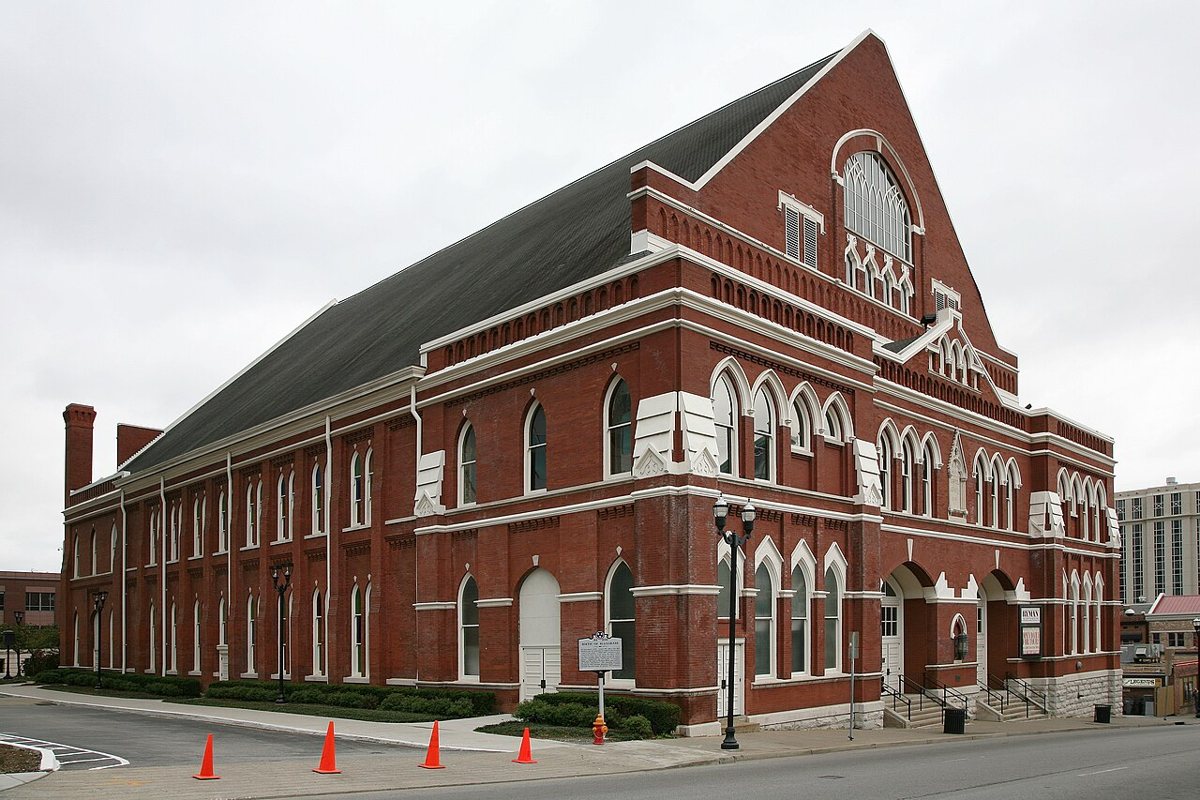
Back in the Gulch, the Station Inn has been Nashville's home for bluegrass for decades. The building is plain, the stage is small, and the sound is exactly what the music needs. Pickers from the neighborhood sit in on weeknights, touring acts roll through, and it is common to see a famous name tucked into the back, listening like everyone else. The room works because the audience is there for the playing. Arrive early for a seat near the stage, order something simple from the kitchen, and keep the conversation low once the set starts. Check the current schedule before you go, since lineups change constantly, and expect general-admission seating rather than assigned tables. The Gulch around it has filled with glass towers and rooftop bars, which makes this little brick holdout feel even more like an anchor.

The Bluebird Cafe
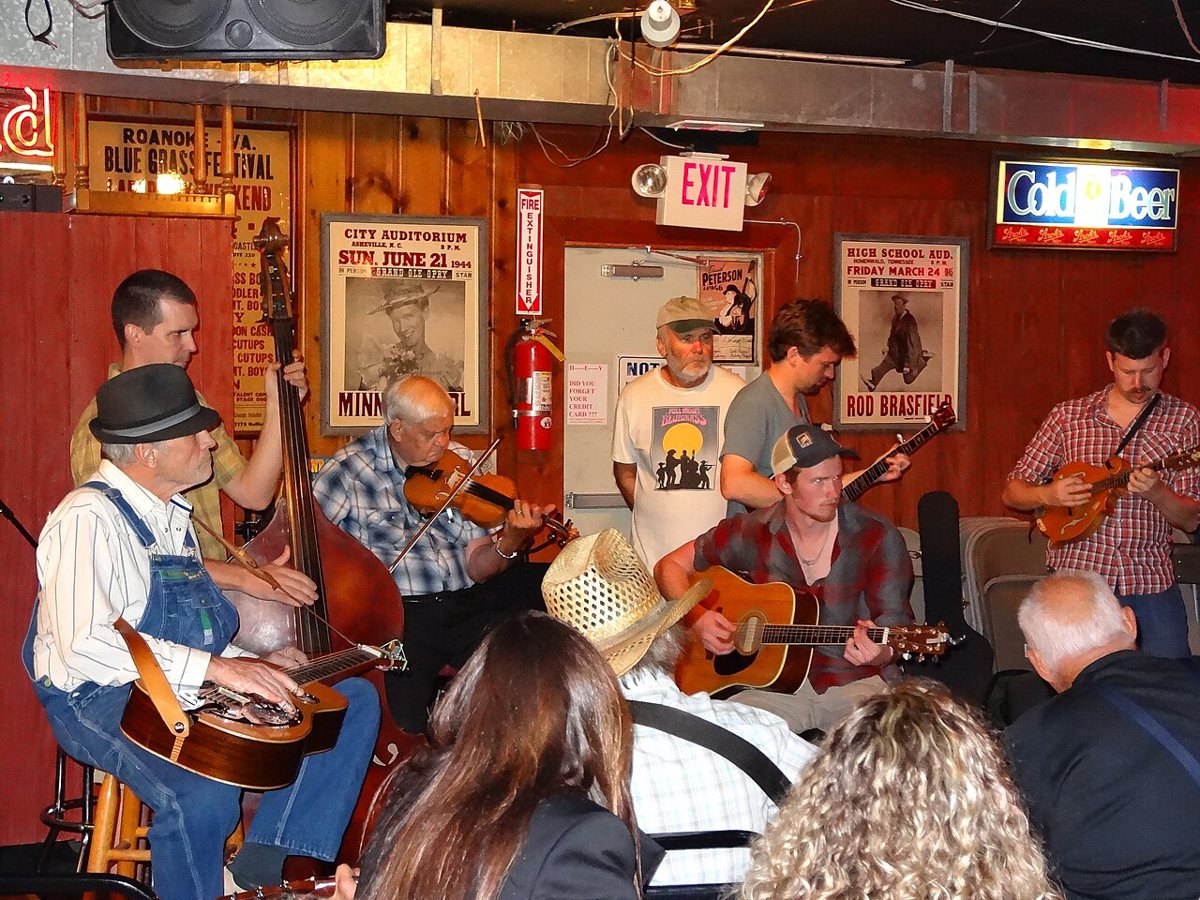
The Bluebird is the room people picture when they think of songwriters in the round. It sits in a Green Hills strip shopping center, which surprises first-timers, and inside it seats only a small crowd. The format is simple: writers trade songs and stories from the middle of the room, and the audience is expected to be silent. That quiet is the point, and the reward is hearing the person who wrote a hit explain where it came from before they play it. Reservations are the main hurdle, so read the cafe's own booking instructions well ahead and check what is currently offered. A walk-up line sometimes forms for the leftover seats on certain nights, which is worth knowing if your plans are flexible. Treat it as a listening room first and a night out second, and it will be one of the best evenings of the trip.

Country Music Hall of Fame and Museum
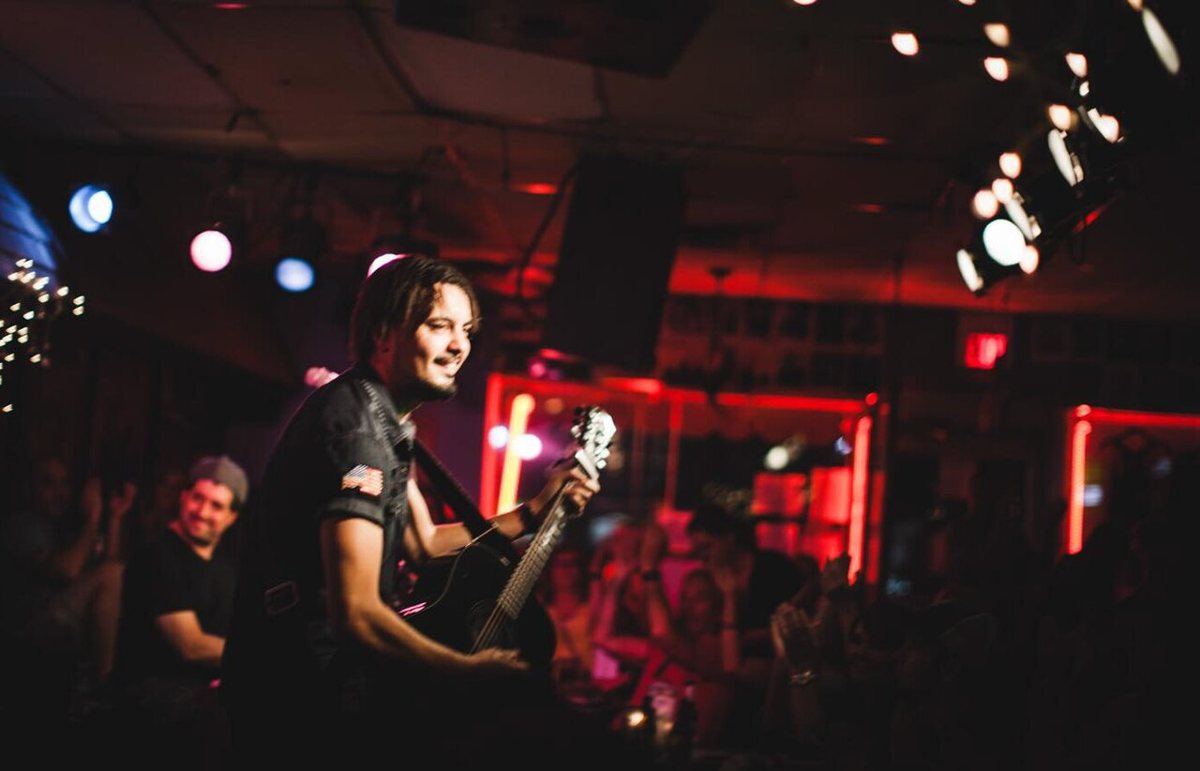
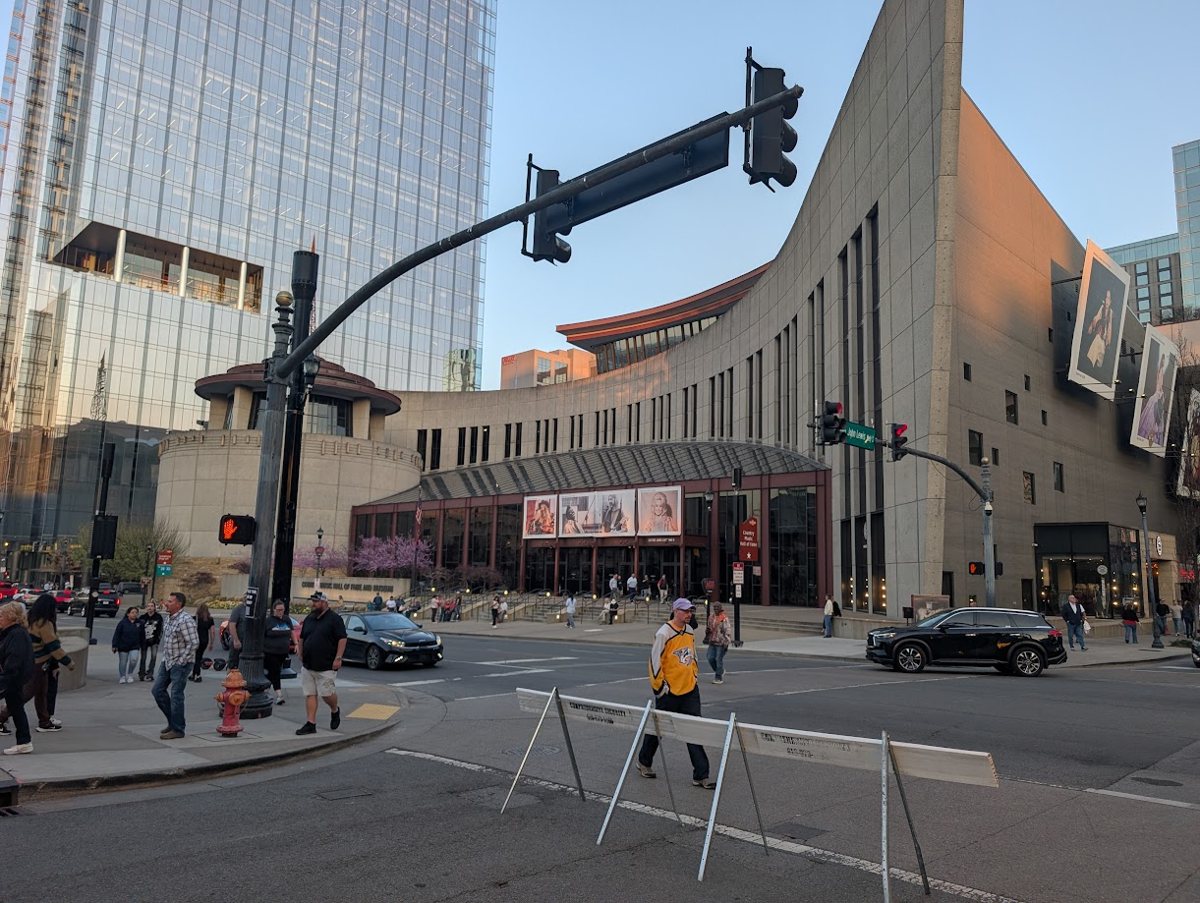
The Hall of Fame is the city's deepest single stop on the genre's history, and it goes far beyond the rhinestones. The exhibits trace country music from its string-band and gospel roots through the honky-tonk era, the Nashville Sound, outlaw country and the present, with handwritten lyrics, instruments, stage clothes and plenty of recordings to listen to. Elvis's gold-leafed Cadillac is a crowd favorite, but the quieter cases of notebooks and demo tapes tell you more about how songs were made. Plan on two to three hours, longer if you read everything. On Demonbreun Street, the building is within walking distance of Lower Broad and the convention district. The museum also offers the Studio B tour, which takes you to the former RCA studio on Music Row where an enormous number of records were cut. That tour is the one to book if you want to stand in the room itself, so reserve it with your admission.

Grand Ole Opry House
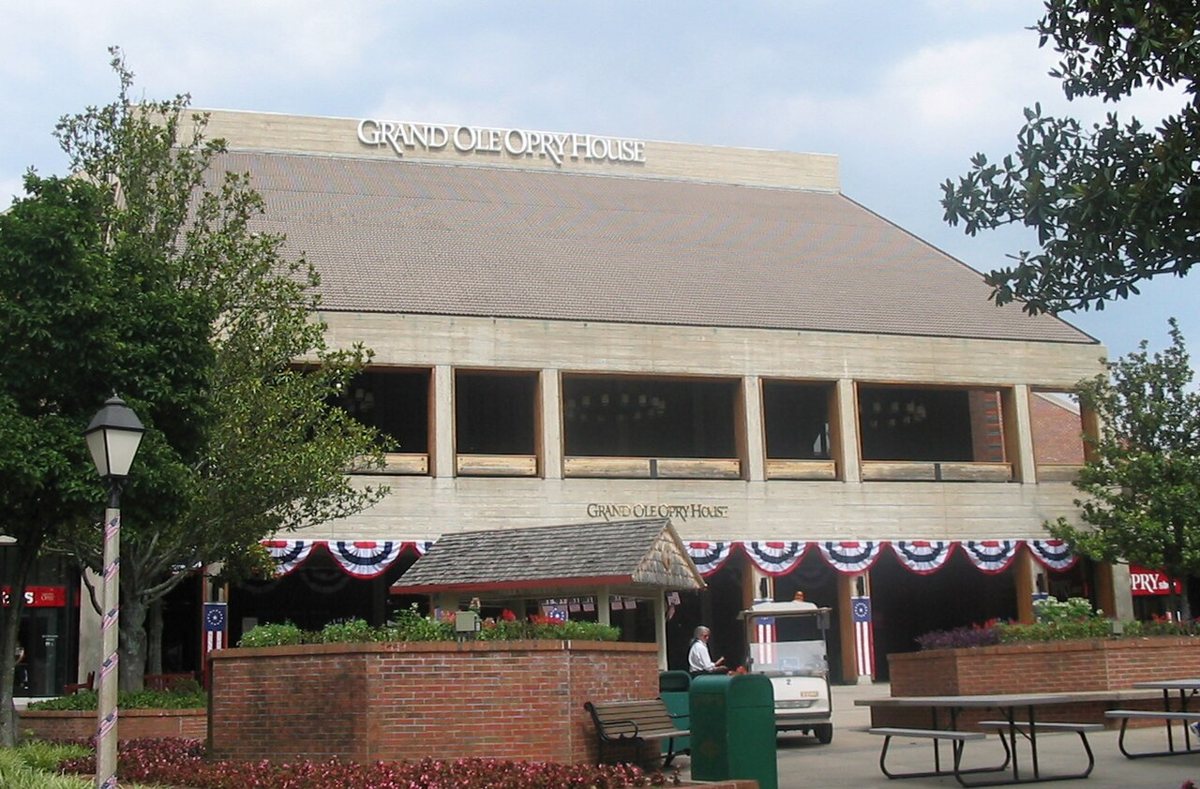
The Opry is among the longest-running radio shows in the country, and it still broadcasts from a stage in the Donelson area, out Briley Parkway from downtown. A circle of oak from the old Ryman stage sits at center stage, so performers literally stand on the legacy. A typical Opry night mixes members, rising artists and surprise guests, with several acts sharing a bill and short sets that keep things moving. Some fans want only the biggest names, but the format rewards patience: the older members and the newer acts both turn up in the same evening. Backstage tours are offered most days, and they get you into dressing rooms that are worth seeing. Leave extra time for traffic, because the Opry sits on the east side of the city near the Opryland resort, away from the downtown core. Check the current schedule, because the show moves between the Opry House and the Ryman at certain times of year.

Parks, Gardens, and Open Air
Nashville is greener than its reputation. The city has a handful of large parks and a landscape of rolling hills that make a day outdoors feel earned. Locals spend weekend mornings in these places, and visitors who join them tend to remember them longer than the bars.
Centennial Park and the Parthenon
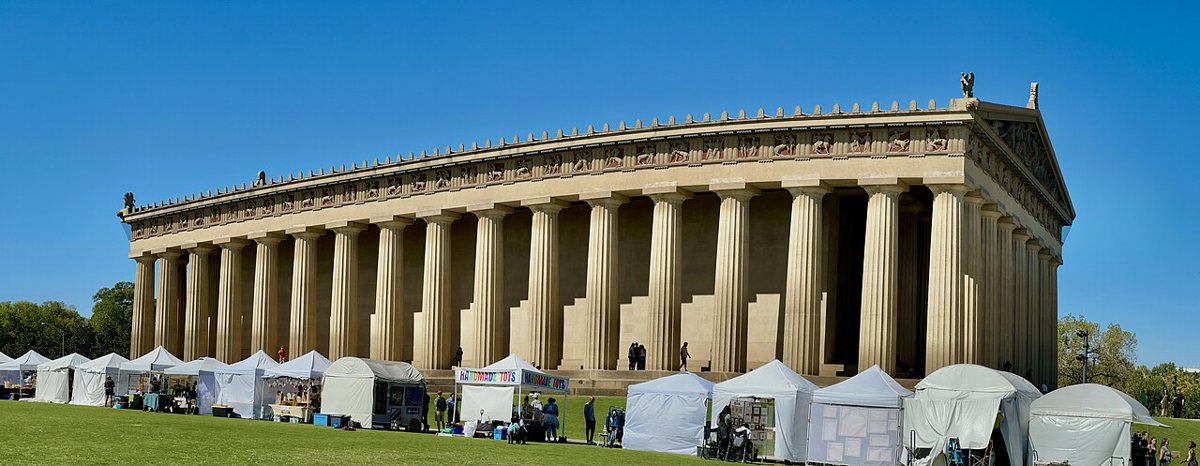
Centennial Park, beside Vanderbilt and the West End corridor, is where Nashville goes to breathe. The centerpiece is the Parthenon, a full-scale replica of the Athenian original that was built for the 1897 Tennessee Centennial Exposition. Inside stands Athena Parthenos, a towering sculpture by Alan LeQuire, a statue about four stories tall that the staff is glad to talk about. The lower level holds a permanent collection of American paintings, so it doubles as a small art museum. Come near sunset, when the columns warm up and the lawn fills with joggers, dog walkers and people who just brought a blanket. The park is free to walk, there is a duck pond and a lake path, and the farmers' and craft events that pass through are worth a look. Entrance to the Parthenon itself requires a ticket, and there are weekday and weekend variations, so check ahead.

Radnor Lake State Park
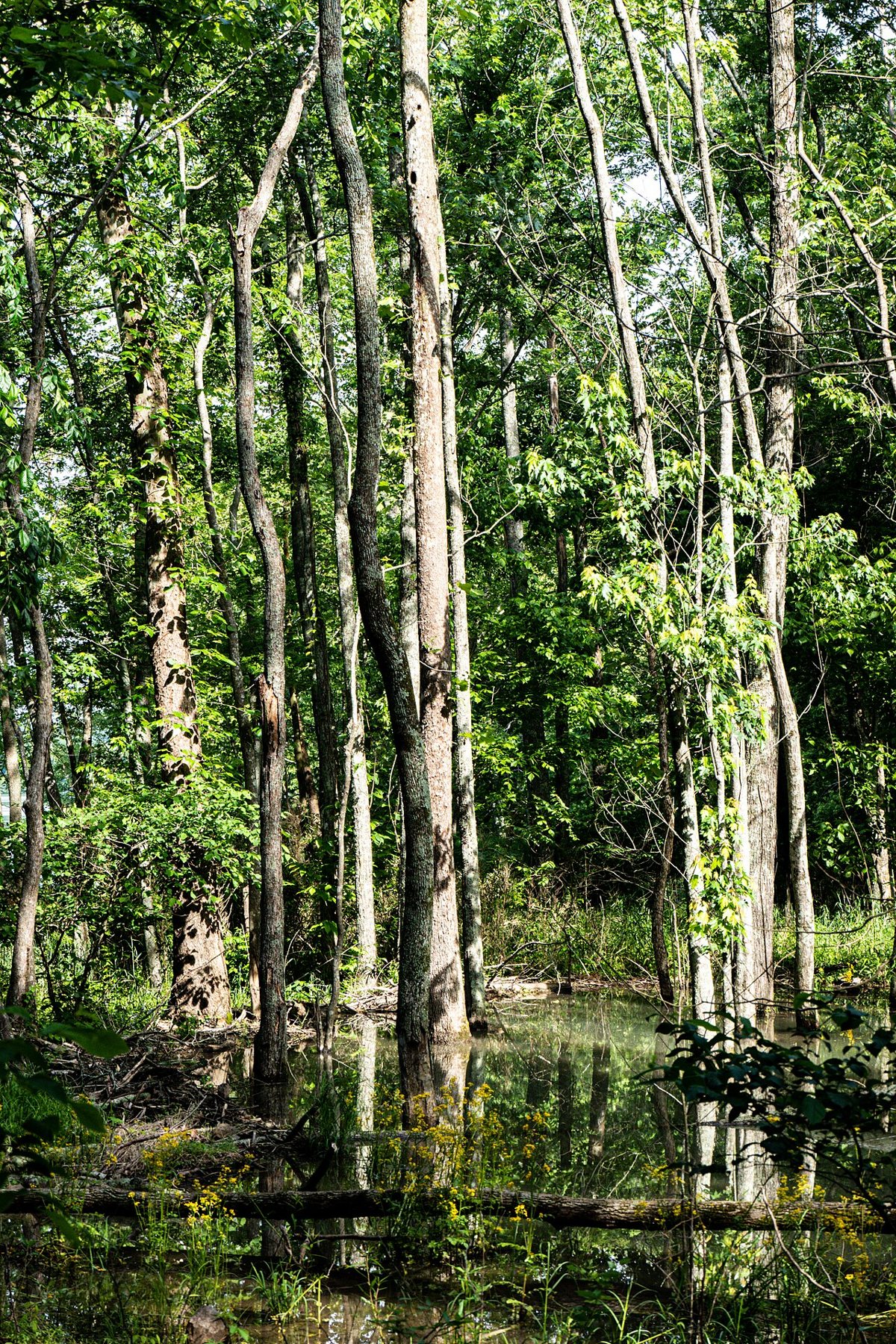
A few miles south of downtown, Radnor Lake is a state natural area that feels like it belongs to another county. The Lake Trail loops the water on a flat, easy path, and quieter side trails climb into hardwood forest. Wildlife is the draw: herons, owls, turtles, deer and, in the right season, migrating birds. Rules protect the habitat, with restrictions on bikes and certain pets, so read the park's guidelines before you arrive. The best time is early, when the lot is lightly used and the lake is still. Parking fills quickly on warm weekends, which is an argument for a weekday visit. A morning here can reset a long trip and costs nothing but time.

Cheekwood Estate and Gardens
Cheekwood is a Georgian mansion on a hillside in the Belle Meade area, built for a family tied to the Maxwell House coffee fortune and now a museum and botanical garden. The mansion holds art exhibitions, while the grounds run through themed gardens, a sculpture trail and wooded paths. Seasonal displays change throughout the year, with spring bulbs and fall color often drawing the biggest crowds. It rewards a slow pace, and a full afternoon passes easily once you add the garden cafe. Cheekwood is a good choice for visitors who want something quiet, and a favorite for anyone traveling with grandparents. Look at the current exhibitions and any timed-entry rules before you drive out.
Museums, History, and Culture
The city's cultural side reaches well past country music. Some of the most interesting recent additions tell broader stories, and the older institutions have kept pace.
Frist Art Museum
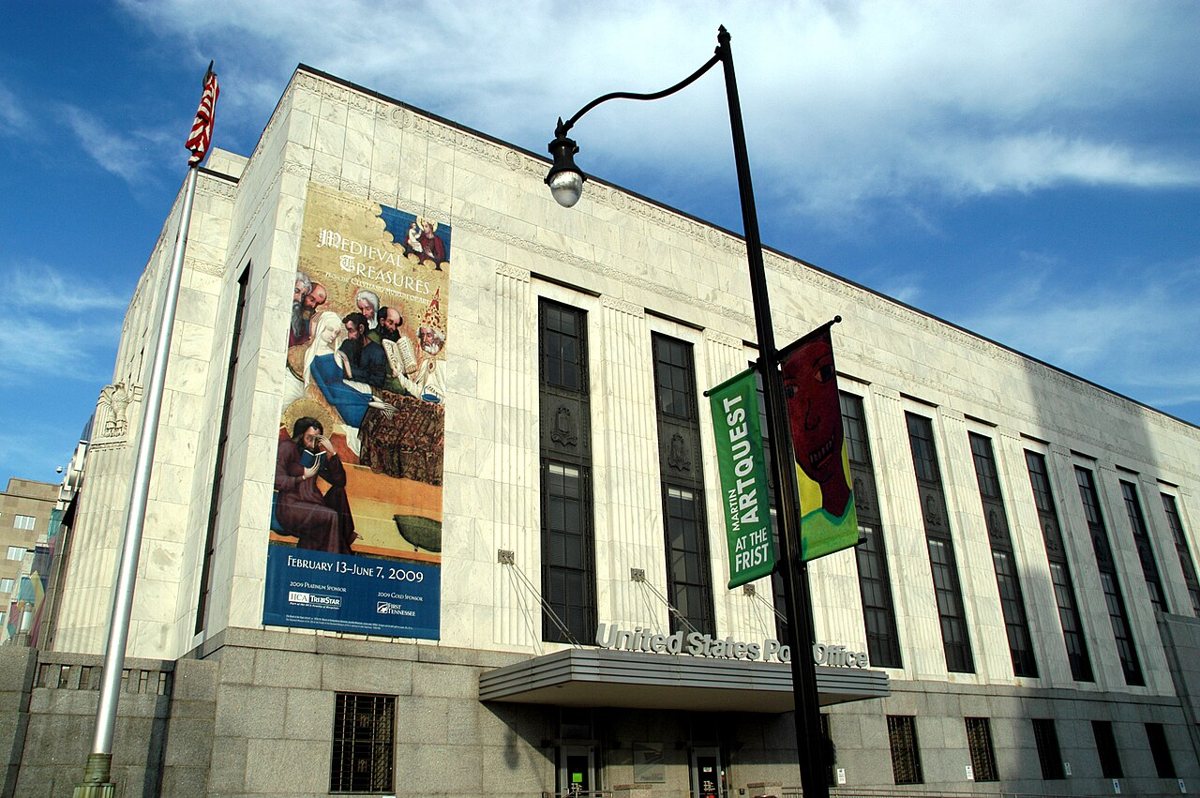
The Frist occupies a handsome Art Deco building that once served as a downtown post office. It has no permanent collection, which surprises people, and instead rotates major traveling exhibitions with a strong local flavor mixed in. That means each visit offers something different, and the exhibitions tend to be well designed and easy to move through in an hour or two. There is also an interactive family space, Martin ArtQuest, that works for kids and adults. The building is a quick walk from Lower Broad and from Union Station, so it makes a calm counterpoint to a loud afternoon. Look at the current exhibitions before you go and choose based on what interests you.

National Museum of African American Music
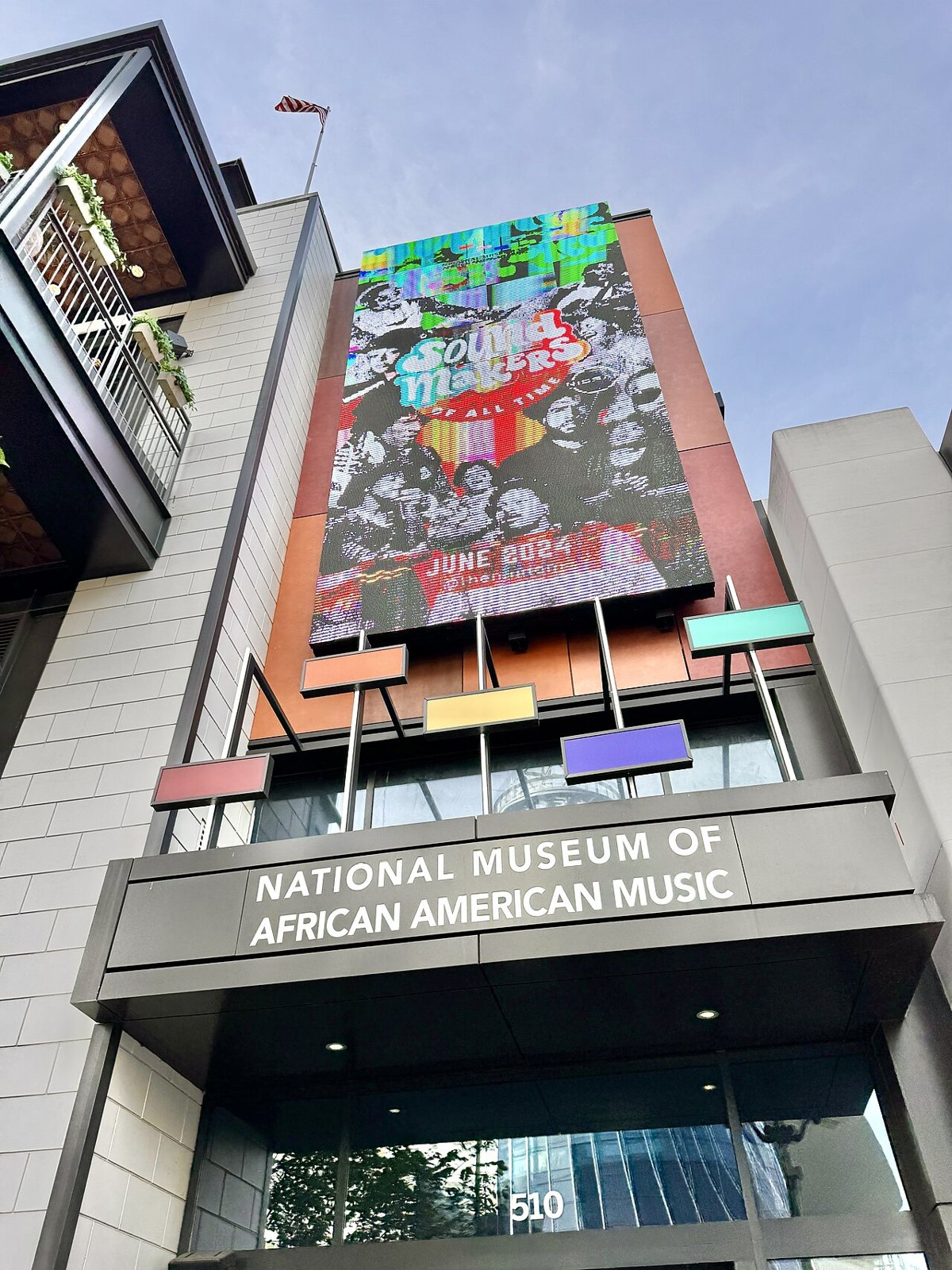
Just down 5th Avenue from the Ryman, the National Museum of African American Music tells the story of how Black artists shaped gospel, blues, jazz, R&B, hip-hop and country. The galleries are organized by genre and era, and interactive stations let you sing, play and listen as you move through. The museum fits Nashville well, since it gives the music business its fuller history rather than the polished one. Plan on a couple of hours and take your time in the early galleries, which explain how the traditions connect. It pairs naturally with a Ryman tour, and it is often the stop that visitors say they enjoyed most. The staff and the exhibit text are a reminder that country, soul and gospel grew up in the same neighborhoods.

Belle Meade Historic Site
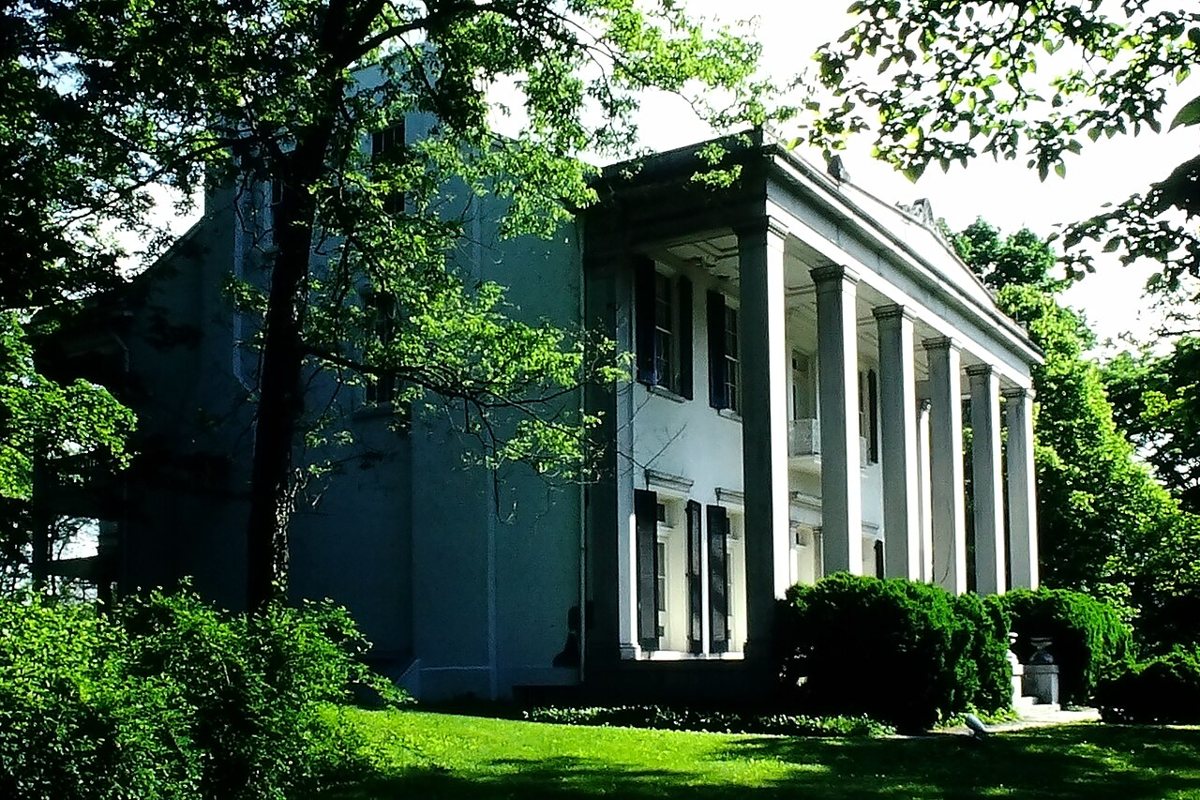
Belle Meade began as a plantation and later became a famous thoroughbred horse farm, and today the historic site covers both chapters. The mansion tour is the main draw, with a guide who walks you through the house and the history of the estate. Good tours now address the enslaved people who lived and worked there, and that context matters, because it ties the grand house to the people whose labor built it. The grounds include a winery and tasting room, carriage house and outbuildings, so you can stretch the visit to half a day. Tours run most days, and a bit of research on the current offerings pays off. This is the right stop for visitors who want the 19th-century South told with both its glamour and its cost.

Where Nashville Eats
The food scene is an argument all its own, and the best strategy is to eat like a resident. That means a few institutions, and a willingness to wait in line. Our full dining roundup lives in this guide's companion, where to eat, but a few anchors belong here.
Nashville Farmers' Market
The Nashville Farmers' Market sits just north of downtown beside Bicentennial Capitol Mall State Park. Outdoor sheds hold produce and plants from regional growers, and the Market House inside serves a long list of vendors, from tacos to barbecue to bakery counters. It has been a neighborhood fixture for generations, and it serves the people who live nearby as much as the people passing through. Wander the sheds first, then eat inside, and finish with a walk up the hill to the state capitol. The park beside it is free and has a carillon, a World War II memorial and a history walk through the state's counties. Weekday lunch is easy, while weekends draw bigger crowds.
For hot chicken, Prince's Hot Chicken Shack is the family that started it all, and the original lineage is worth the pilgrimage. Order your heat level honestly, because the top end is serious, and expect white bread and pickles under the chicken. Meat-and-three is the other pillar of the local table. The format is simple: pick a meat and three vegetables from a daily list, add cornbread, and carry a tray to a table. Arnold's Country Kitchen near Wedgewood-Houston is the famous example, with a line that runs out the door at lunch. For biscuits, the Loveless Cafe on Highway 100 has been serving them with country ham and preserves for decades. Evenings call for a craft cocktail at one of the many neighborhood bars, where the bartenders treat the work as a craft.
Neighborhoods Worth a Whole Afternoon
Broadway gets the postcards, but the neighborhoods hold the city. Each has its own rhythm, and an afternoon in any of them tells you more than a night on the strip.
- East Nashville: The area around 5 Points has been found, loved and expensive for years, and it is still home to longtime residents, bungalows, record stores, coffee shops and some of the city's best bars. Walk the streets rather than driving.
- The Gulch: Polished and busy, with the Station Inn as its long-standing music anchor, plus the famous Nashville mural walls that draw photographers.
- 12South: A walkable strip of boutiques, ice cream and coffee, with good people-watching and a calm side street feel.
- Germantown: Brick row houses, restaurants and a view toward the First Horizon Park ballfield, the home of the Nashville Sounds.
- Sylvan Park: A neighborhood restaurant district where regulars outnumber visitors, a good place to eat unhurried.
- Wedgewood-Houston (WeHo): Galleries, studios, breweries and the meat-and-three line at Arnold's.
- Madison: A growing area northeast of downtown with independent shops and a real local feel for those willing to go beyond the central core.
Best Things to Do in Nashville by Who You Are
The right itinerary depends on the group, and Nashville bends to most of them.
Music obsessives
Pair the Ryman with the Station Inn, and add the Bluebird if you can get a reservation. Spend a day on the Hall of Fame and the Studio B tour, and treat the Opry as a finale. Skip the strip for one evening and walk into a neighborhood bar with a stage.
Families
Centennial Park, the Parthenon, Cheekwood and Radnor Lake all work for children, and the Frist has its hands-on space. For a longer list, see our guide to family outings. Aim for mornings and keep the evenings simple.
Sports fans
The Predators play at Bridgestone Arena downtown, and the Titans play at Nissan Stadium across the river. Game nights fill Lower Broad with fans in jerseys, so book dinner early and arrive with time to spare. Minor league baseball at First Horizon Park is a relaxed alternative in summer.
Quiet travelers
Choose Radnor Lake in the morning, Cheekwood in the afternoon and a meat-and-three for supper. The pace is slower, the crowds are thinner, and the city feels like itself.
Getting Around, Broadway vs. the Neighborhoods, and Free Things
Nashville sprawls, and the interstates choke at rush hour, so plan the day by area rather than by wish list. Downtown, the Gulch, Germantown and the Ryman corridor can be done on foot. East Nashville, 12South, Sylvan Park and the parks need a car or a rideshare. WeGo buses and scooters fill some gaps, but most visitors rely on rideshare. Parking downtown and in the Gulch is expensive and fills on weekends, so build in extra time.
On Broadway, the honky-tonks play live music from the afternoon on, and there is no cover at many of them, with the bands working for tips. It is worth one visit in the daytime, when the musicians are often excellent and the crowds are manageable. Lower Broad at night is a different animal, loud and packed. The neighborhoods are where you get the opposite: slower hours, local crowds and room to talk.
Plenty of the best experiences cost nothing. Centennial Park and the Parthenon grounds are free to walk, as are Bicentennial Capitol Mall State Park and the John Seigenthaler Pedestrian Bridge, which gives you a skyline view over the Cumberland River. Radnor Lake costs nothing to enter, and the honky-tonks along Broadway charge no cover at most hours. Tours and museums charge admission, so check the current rates and schedules on each website.
A Last Word From a Local
Nashville works best when you see it as a place where people live and labor. The session player loading out at midnight, the nurse grabbing a plate after a shift near the medical center, the cook who has run the same meat-and-three line for thirty years: they are the reason the music and the food taste the way they do. Give the big stages their due, then spend your best hours in the rooms, parks and kitchens where the working city shows up. Tip the band, tip the server, and keep your voice down when the fiddle starts.