Best Italian Restaurants in Nashville Worth the Trip
Nashville's Italian dining scene has quietly grown up alongside the city itself. Here's how to find the real thing amid the noise.
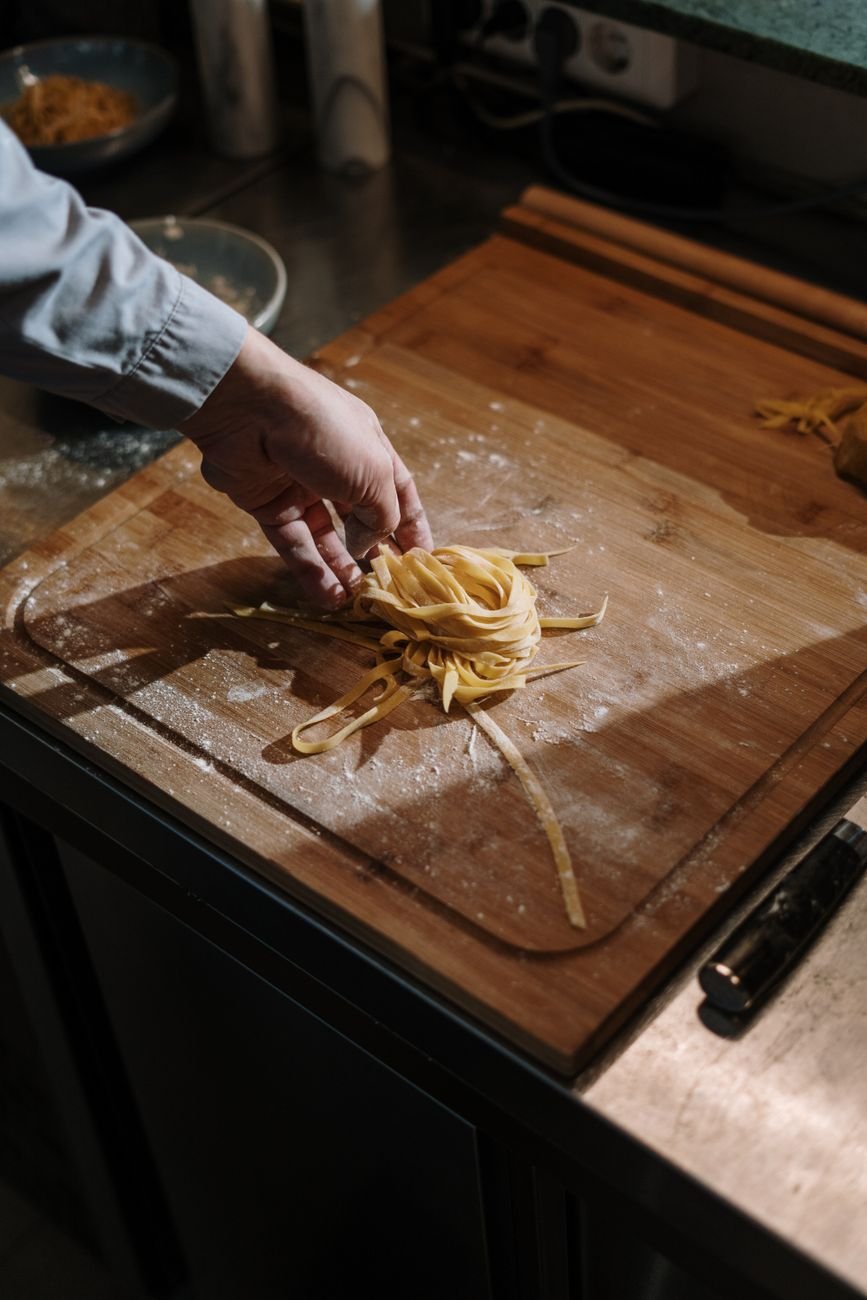
The pasta arrives wrong sometimes. Not bad, just not quite right. A little too soft, the sauce a little too sweet, the whole thing assembled with confidence but not conviction. Nashville has no shortage of Italian restaurants, and finding one of the best italian restaurants in nashville that actually knows what it's doing takes more effort than it should. The gap is worth understanding before you spend forty dollars on a bowl of pappardelle.
Nashville's growth over the past decade pulled a lot of things into the city: investment, transplants, hospitality groups from bigger markets, concepts designed to photograph well. Some of the best spots arrived in that wave. So did a lot of the worst. The trick is knowing which is which, and the city's neighborhoods offer some useful signals.
What the Best Italian Restaurants in Nashville Have in Common
Great Italian cooking is not complicated to identify, even if it's hard to execute. Fresh pasta has a particular give, yielding without turning to paste. A properly made sugo takes time, and you can taste the difference between a sauce coaxed over low heat for hours and one pushed through service. The bread should be worth eating. The wine list should have some depth south of Tuscany, not just a parade of Chianti and Pinot Grigio.
Beyond technique, the serious spots tend to share a philosophy: they're not trying to be everywhere at once. A restaurant doing four pastas exceptionally is almost always better than one doing fourteen adequately. Restraint is a signal. So is the absence of certain things, like the laminated menu with forty-seven items organized by region. Confidence looks like editing.
Service matters more at Italian restaurants than the category sometimes gets credit for. The tradition is hospitality-forward: a host who actually knows the menu, a server who can explain why the kitchen is running a specific pasta tonight. When that's missing, the meal often is too.
How Nashville's Neighborhoods Shape the Italian Scene
Germantown is where you're most likely to find the kind of Italian restaurant that treats the neighborhood as a permanent commitment rather than a trend. The historic district north of downtown has established itself over the past decade as a serious dining corridor, the kind of place where operators open restaurants they actually intend to stay and run, not flip. The architecture helps. Brick buildings with actual bones tend to attract a different kind of restaurateur than a ground-floor condo retail space in The Gulch.
The Gulch has Italian options, and some of them are competent. But the neighborhood's baseline energy of glass towers, valet lines, and expense-account dinners tends to attract the polished, corporate version of the cuisine. That's not always wrong. Sometimes you want a well-executed chicken piccata in a room that hums efficiently. Just don't expect a proprietor who can tell you which farm the tomatoes came from.
East Nashville's Italian presence is lighter but more idiosyncratic. The neighborhood's creative-class identity, inflated real estate aside, still produces restaurants with personality. You're more likely to find a small room doing natural Italian wine alongside hand-rolled pasta, the kind of spot that changes its menu based on what showed up that week. The Five Points corridor has seen enough turnover that established tenants tend to be the ones worth paying attention to.
12South skews brunch-and-boutique, and its Italian restaurants reflect that. The food can be good. The vibe is reliably photogenic, which tells you something about the priorities. Sylvan Park and Madison don't have much of a scene to speak of, though that's been slowly changing on the Madison side as the neighborhood develops a dining identity of its own.
What to Order, and What to Skip
At any Italian restaurant worth a repeat visit, start with the pasta. Order one that's made in-house if the menu specifies it, and order it simply. A cacio e pepe or a butter-and-sage preparation will reveal more about the kitchen's competence than anything buried under a complex ragu. If the pasta is excellent, you can trust the rest of the menu. If it's not, adjust your expectations accordingly.
Antipasti can be a useful early signal. A kitchen that cares will put real thought into the opener: quality prosciutto, something pickled, cheese that isn't an afterthought. A kitchen that doesn't care will put down a bread basket with one dipping oil and call it done.
Seafood pasta in a landlocked Southern city is a calculated risk. Nashville's supply chain has improved considerably as the city's restaurant economy has grown, but it still requires a chef who's paying close attention. The best spots do it well because they've built the supplier relationships. The mediocre ones do it because they think branzino reads upscale.
Skip the tiramisu unless the restaurant makes it in-house. The jarred version has become so common that it's lost the ability to mean anything. A restaurant that makes its own is showing you something. One that doesn't is telling you something.
A Note on Nashville's Growth and What It's Done to Dining
The city's population surge has been good for Italian food in the aggregate. More people means more market for more serious restaurants, and Nashville now has a genuine dining class of healthcare professionals, music-industry people, and a large transplant population from cities with deep Italian traditions, all of whom expect more than they did twenty years ago. Competition has forced a baseline quality improvement across the board.
It has also produced a lot of noise. The same growth that brought serious chefs brought hospitality groups optimizing for scale and turnover, and the two live side by side in every neighborhood. This is true of Nashville's broader dining scene, which has expanded fast enough that reputation doesn't always track quality in real time.
The most reliable filter is still time. Restaurants that have been open for five or more years in Nashville and held their standards have earned something real. The city's hospitality turnover is brutal, so survival means the kitchen and the room are doing something right. That's not a perfect heuristic, but in a market this crowded, longevity is at least worth weighing.
Worth noting too: Nashville has a genuine meat-and-three tradition that shapes local palates in ways that affect how Italian food lands here. Richness reads differently in a city where a classic meat-and-three is the comfort-food baseline. The best Italian kitchens in town seem to understand this intuitively. They don't undersell Southern appetite, but they also don't mistake heaviness for generosity. Find the room that edits its menu. Find the pasta made that morning. Find the server who's actually eaten everything. That's your list.