Best Day Trips From Nashville: A Local's Guide
Broadway gets the tourists. The rest of us leave town on our days off. Here is where Nashvillians actually drive when they want quiet, water, whiskey, or a reason to get off I-24.
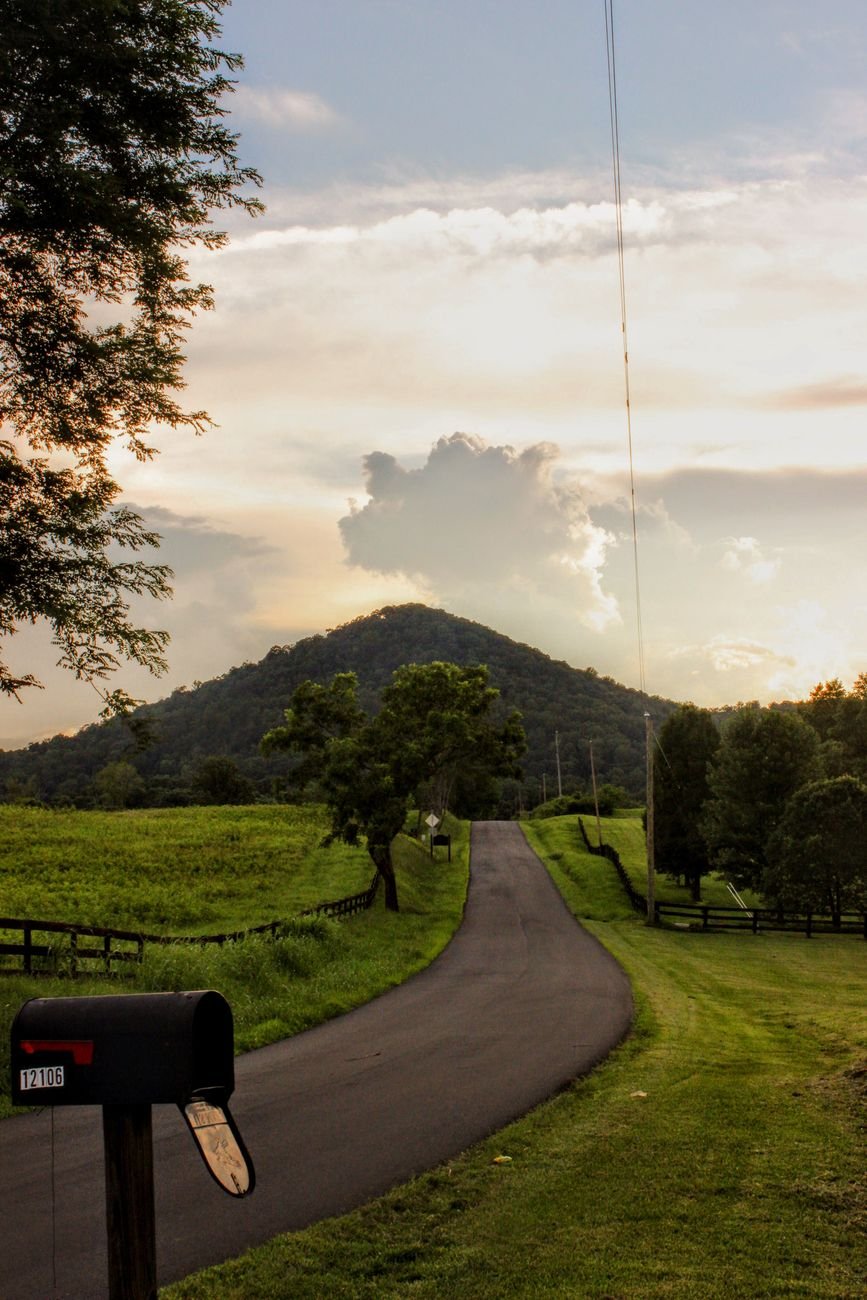
I left my apartment in East Nashville at 7:40 on a Saturday morning, before the pedal taverns started rolling and before the line formed outside the hot chicken window on Ewing Drive. This is a local's guide to the best day trips from Nashville, put together the way residents actually plan them: by what you're chasing that day, water or whiskey or quiet, rather than by strict mileage. My friend riding shotgun works night shifts at Vanderbilt and was still in the same fleece she'd worn out of the parking garage an hour earlier. We weren't going far. Forty minutes later we were parked on a quiet street in Franklin, drinking coffee that didn't come with a bachelorette party attached, and that's the whole appeal of a good day trip out of this city. You can be standing somewhere genuinely quiet by the time most tourists are finishing their first Bloody Mary on Lower Broad.
Nashville is not one thing, and it never has been. It's a healthcare economy first, with HCA headquartered downtown and Vanderbilt's medical campus running three shifts a day, feeding traffic onto the interstates at hours most visitors never see. It's a music town second, and neither fact cancels out the other. The people who keep this city running, nurses coming off overnight shifts, session musicians between tours, hospital administrators who've lived here longer than the honky-tonks on Lower Broad have existed, need somewhere to go that isn't another bar with a cover band playing "Wagon Wheel." These are the drives they actually take, organized by direction and by what you're looking for rather than by hype.
Historic Towns and Back Roads South of the City
Start close to home, because the towns south of Nashville prove you don't need three hours in the car to feel like you've left the city entirely.
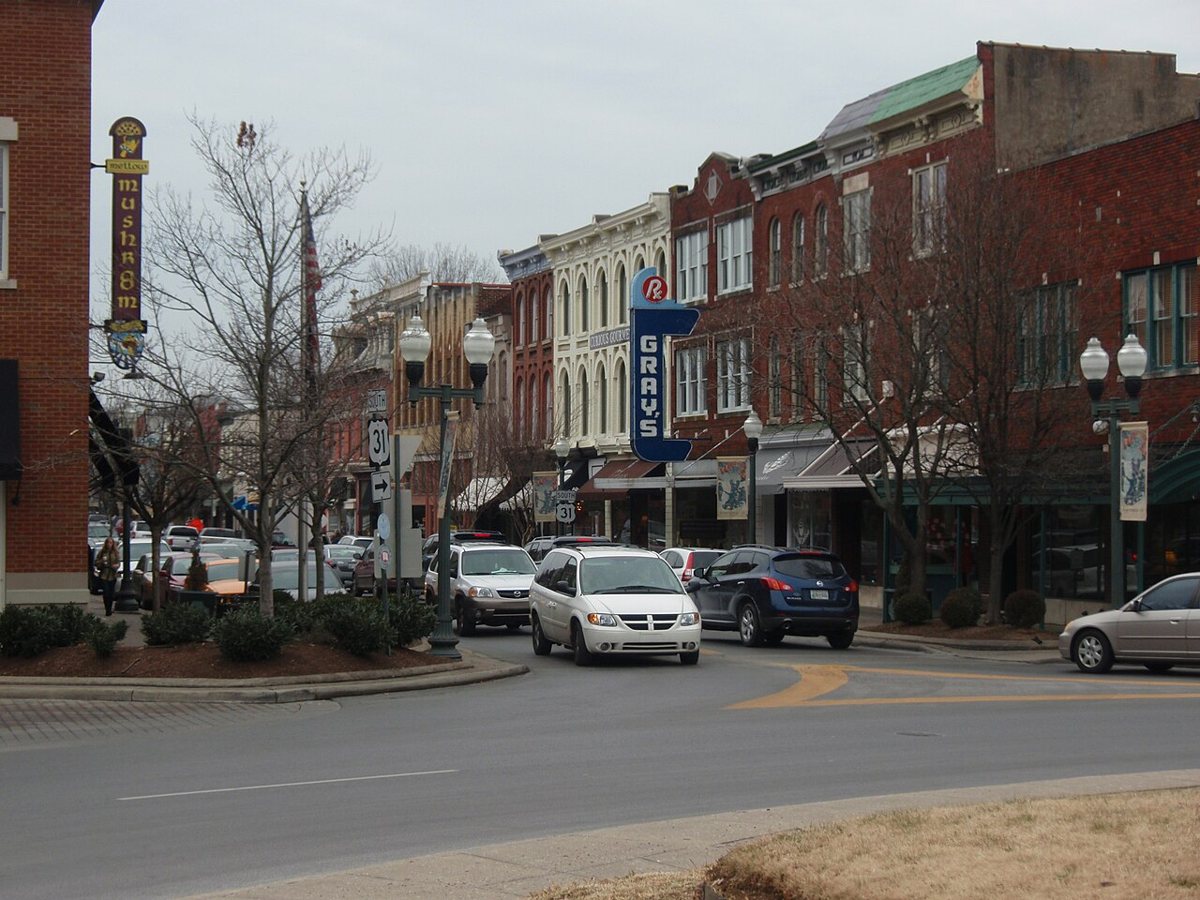
Franklin sits about half an hour south on I-65, and it has become the default answer for anyone who wants a walkable historic downtown without the crowds packed onto Lower Broad. The town square is ringed by boutiques, bookstores, and restaurants that don't rely on tourist turnover to survive, and it stays busy with locals on weeknights in a way that Nashville's own downtown mostly doesn't anymore. Franklin was also the site of one of the bloodiest single days of the Civil War, and the Carter House and Carnton plantation both preserve that history with unflinching detail rather than a sanitized version aimed at photo opportunities. Budget half a day if you want to actually walk the battlefield grounds, or a couple of hours if you're there mainly to shop and eat. Park on a side street off the square rather than circling for a spot near the courthouse, and go on a weekday if you can, since Franklin's popularity has caught up with it on weekends.

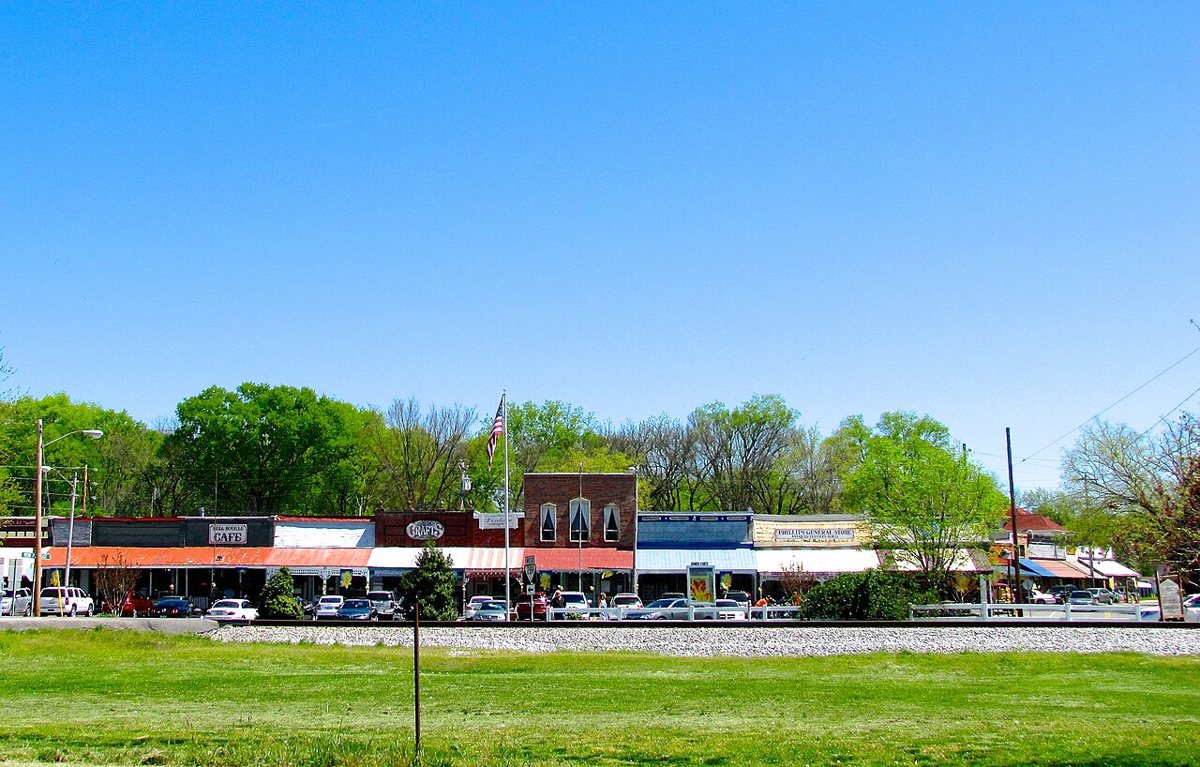
Leiper's Fork is what people picture when they imagine rural Tennessee without ever having actually seen it: a single crossroads with a general store, a couple of small galleries, and horse farms rolling out in every direction under real quiet. It's about 45 minutes from downtown, mostly along Highway 96 through farmland that starts to feel like a different state entirely. Musicians have quietly owned property out here for decades, drawn by the same privacy that makes the town worth visiting, and on the right afternoon you might catch an informal picking session on the porch of the general store, though nobody advertises those and you shouldn't plan a trip around finding one. The real draw is the drive itself and an hour or two of wandering a place with no stoplights and no chain storefronts. Go on a weekday morning if you want the town to yourself, and pair it with Franklin, since both sit on roughly the same route south.
Bell Buckle is a further haul, close to an hour southeast, and it rewards people who like small towns that haven't been fully discovered yet. The main drag runs a few blocks of Victorian storefronts, anchored by old-fashioned general and gift shops, with enough antique dealers tucked in around them to fill an unhurried afternoon. It's a sleepier stop than Franklin, and that's exactly the point of going. Pair it with nearby Wartrace, a nearly one-block town with its own railroad history, or push on to Shelbyville, the heart of Tennessee walking horse country, if you want to stretch the day out further. Go in October if the timing works out; the town hosts a well-known craft fair each fall that draws visitors from well outside the county, though you should expect that particular weekend to be crowded rather than quiet.

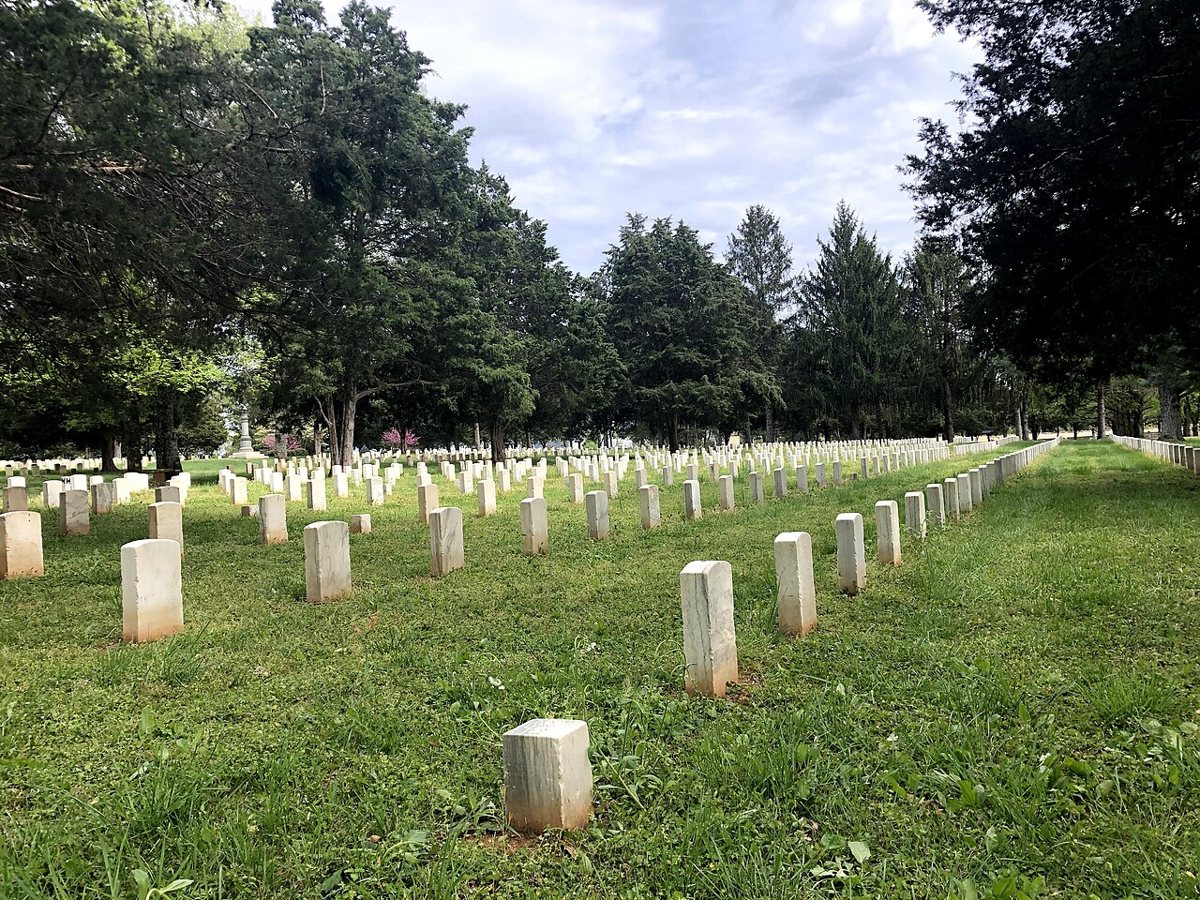
Murfreesboro sits about 35 minutes southeast on I-24, a college town built around Middle Tennessee State University that also happens to sit on top of one of the deadliest battles of the Civil War. Stones River National Battlefield preserves the ground where roughly 23,000 soldiers were killed, wounded, or went missing over three days in the winter of 1862 and 1863, and the visitor center does a genuinely good job of explaining why the battle mattered strategically, not just how bloody it was. The walking trails through the battlefield are flat and well marked, good for an hour if you're pressed or a full morning if you want to read every marker. Murfreesboro's downtown square, separate from the battlefield itself, has its own low-key restaurant and shopping scene, worth a stop if the day still has room left in it.

The Trace and Whiskey Country
East and south of Franklin, the drives start to trade historic downtowns for backroads and one clearly famous stop.
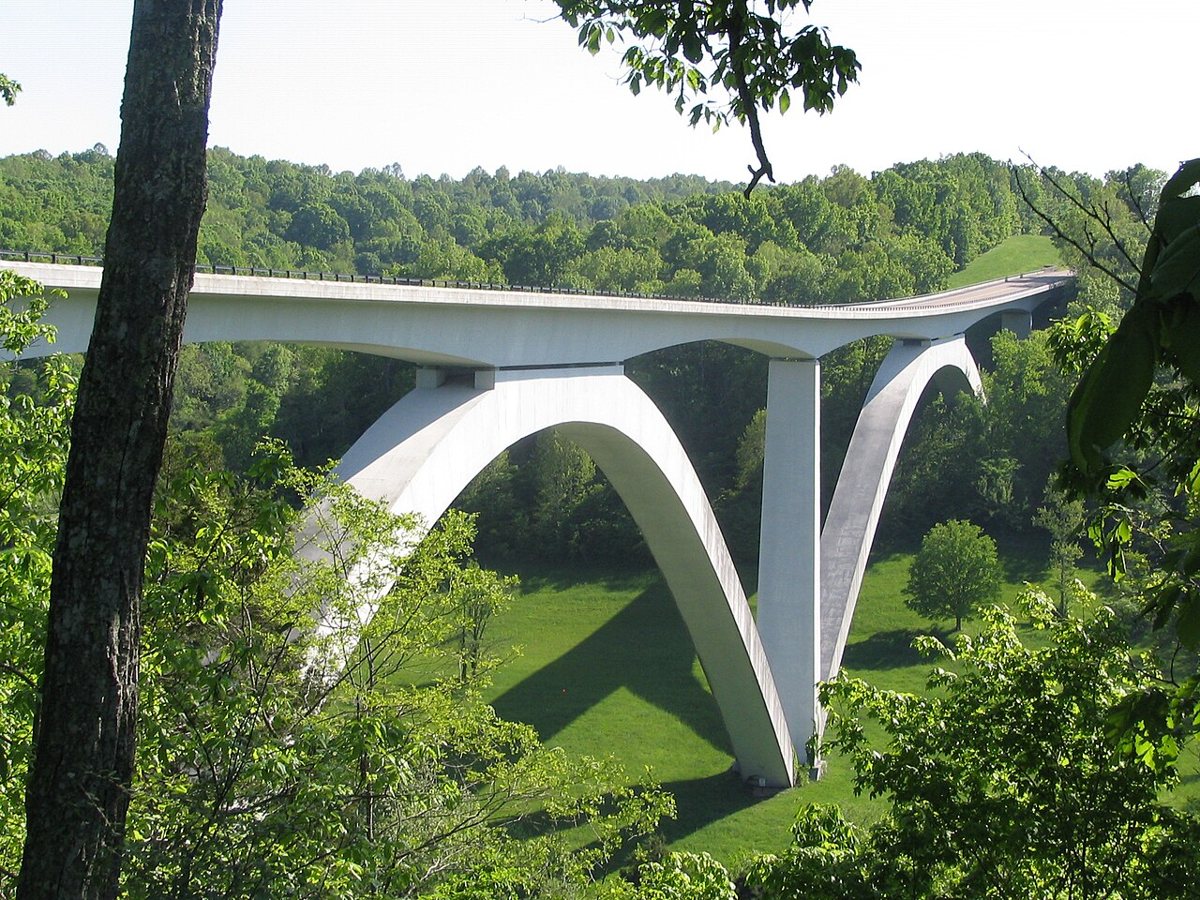
The Natchez Trace Parkway is less a single destination than a 444-mile ribbon of two-lane road that starts just south of Nashville and runs all the way to Natchez, Mississippi, tracing a path Native traders and early settlers used for centuries before it became a National Parkway. You don't need to drive all of it, or even most of it. The Tennessee section alone, reachable in under 30 minutes from the city, gives you a car-free-feeling stretch of pavement with no billboards, no commercial traffic, and pull-offs for waterfalls, old mill sites, and short walkable sections of the original sunken trail worn down by two centuries of foot and wagon travel. The Double Arch Bridge overlook near the parkway's northern terminus is worth the short detour on its own, even for people who don't normally stop for scenic overlooks. Plan on an hour to three hours depending on how many pull-offs you stop at, and know that cell service disappears for long stretches, which is either the entire point or a good reason to download a map before you leave.

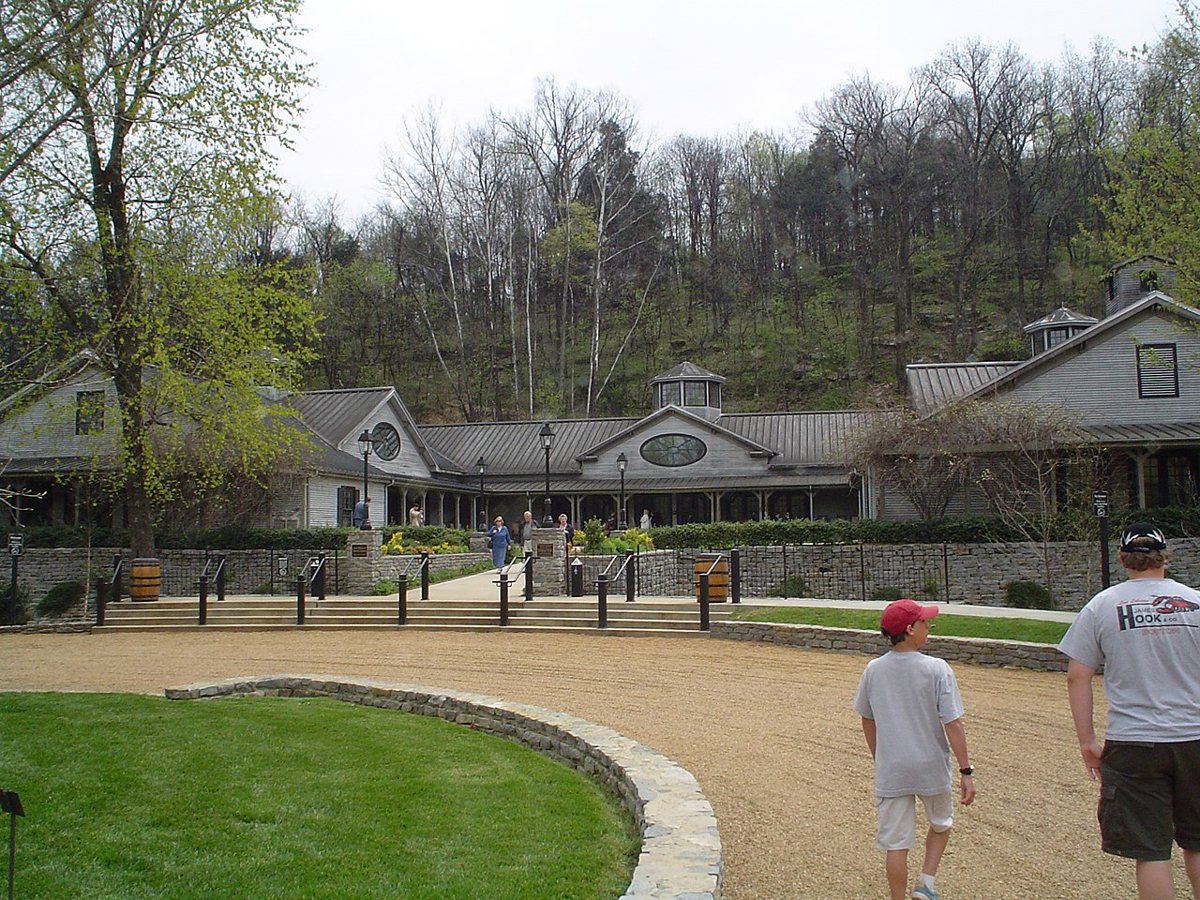
Lynchburg is close to an hour and a half southeast, technically sitting in a dry county that happens to be home to the Jack Daniel's Distillery, an irony the tour guides mention early and often. This isn't a stretch destination built up by whiskey tourism marketing; it's a legitimate working distillery with over a century and a half of production history, set around a town square small enough to walk in fifteen minutes. Tours run through the working barrelhouses and the original cave spring the distillery still draws its water from, and the town itself has a handful of solid lunch spots that lean hard into fried chicken and biscuits. Go on a weekday if you want smaller tour groups and shorter waits, and don't plan on buying a full bottle to drink in the car on the way home, since the county's dry status applies to open containers the same as anywhere else in the state.

Water and Woods Close to Home
Not every escape requires an hour on the interstate. These two are the ones Nashvillians treat as a lunch break or an after-work reset rather than a full day committed to the car.
Radnor Lake State Park is barely 20 minutes from downtown, tucked behind Oak Hill, and it's the closest thing Nashville has to a wilderness reset button you can hit between meetings. No swimming, no boats, no bikes allowed on the main lake trail, just a couple of hours of hiking through hardwood forest with a real chance of seeing deer, herons, and wild turkeys working the shoreline. It gets busy on weekend mornings with locals training for races, so if you want it quiet, go on a weekday or right around sunrise. It isn't a full day trip on its own for most people, but it's the place Nashvillians reach for when they need thirty minutes of real green space without leaving the county line.
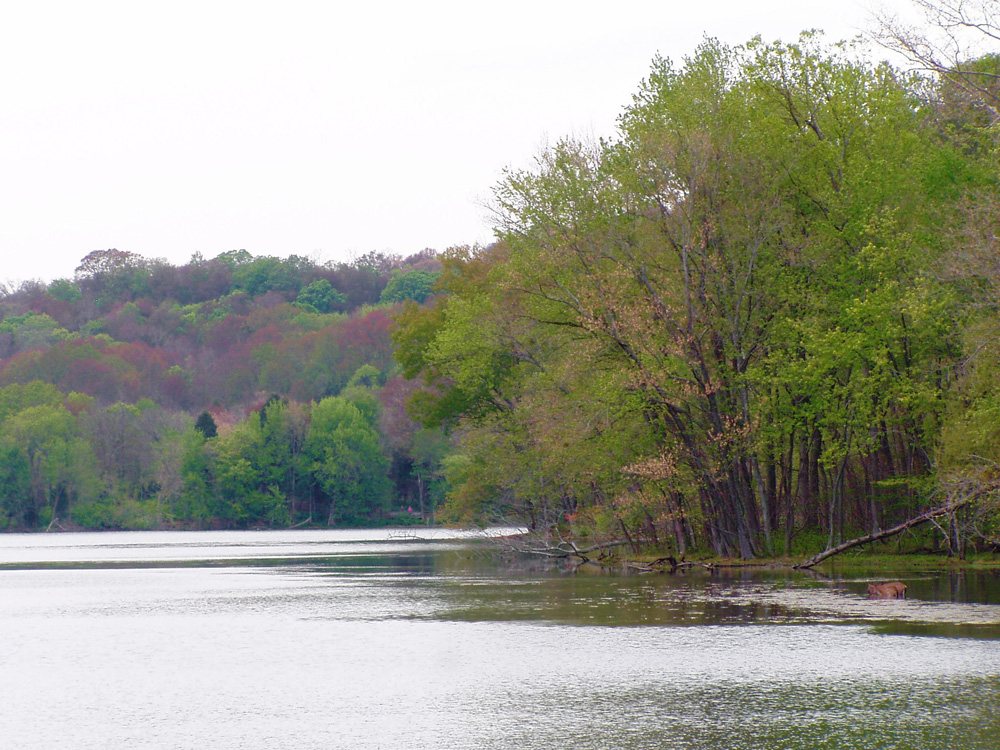

J. Percy Priest Lake sits about 20 to 30 minutes east of downtown, a 14,000-acre reservoir built by the Army Corps of Engineers that functions as Nashville's default lake day. It's the place locals actually launch boats, fish for striped bass, or just claim a stretch of shoreline at one of the public parks ringing the water on a hot weekend. Long Hunter State Park, on the lake's southeastern edge, adds hiking trails and a designated swim beach if you want land options alongside the water rather than a boat rental. Percy Priest doesn't have the postcard drama of the parks further east on the plateau, but it's close enough to treat as a spontaneous after-work escape rather than a full-day commitment, which is exactly why so many Nashvillians use it that way all summer.
Waterfalls and State Parks Worth the Drive
Head east toward the Cumberland Plateau and the destinations start getting more dramatic, along with the drive times.
Cummins Falls State Park is roughly an hour and a half east of Nashville, near Cookeville, and it draws hikers for one of the largest waterfalls in Tennessee by water volume, a wide curtain dropping into a swimming hole that's genuinely popular through the hottest months of summer. The catch is that reaching the base of the falls requires a rugged, unmarked scramble down a gorge trail, not a paved path, and the park limits how many people are allowed down to the water each day through a permit system that changes with conditions and season. Check current access rules before you drive out, since the gorge trail closes entirely after heavy rain, when flash flooding can turn the creek genuinely dangerous with almost no warning. Burgess Falls State Park, about 30 minutes further southeast near Sparta, makes a good second stop or a calmer alternative on its own: a series of four waterfalls along a well-maintained trail that ends at a 130-foot drop, with far less crowd management required to visit safely.
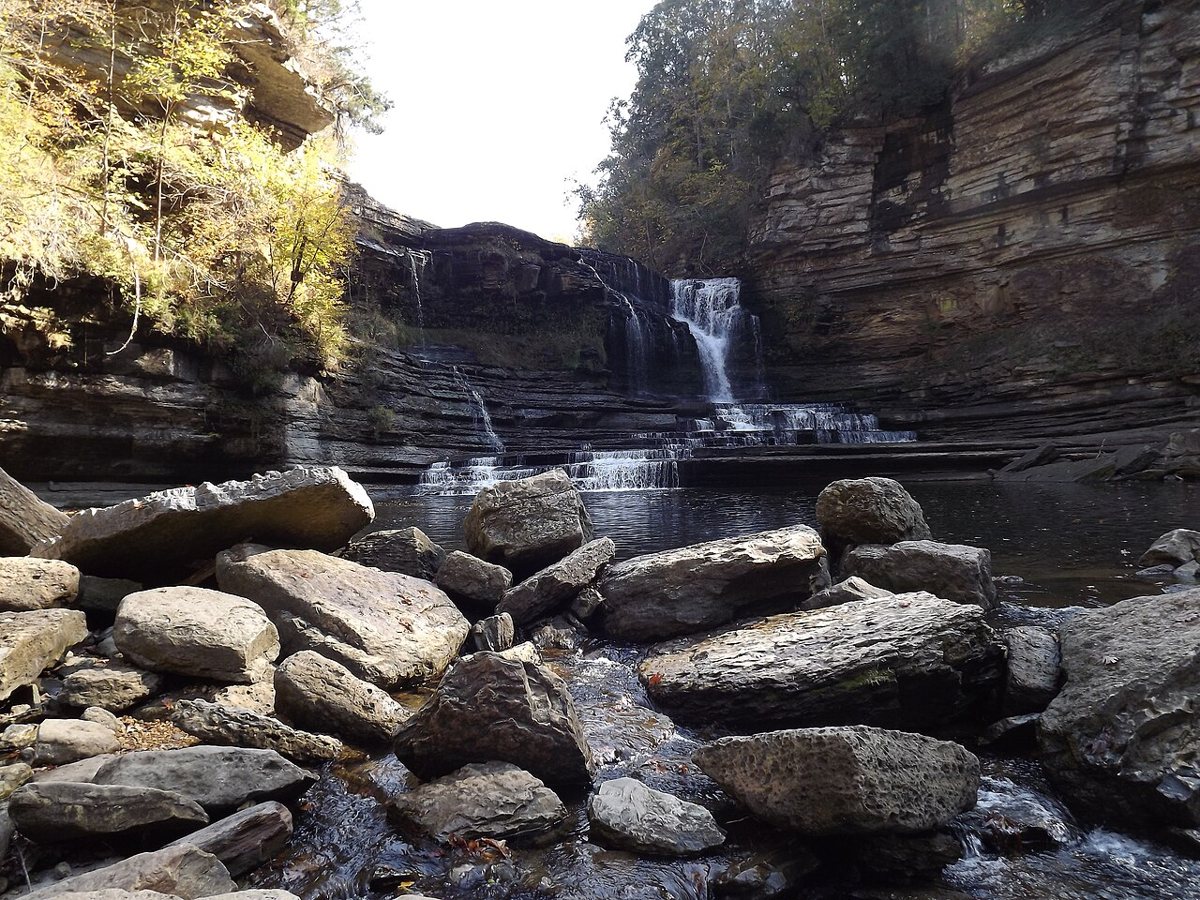

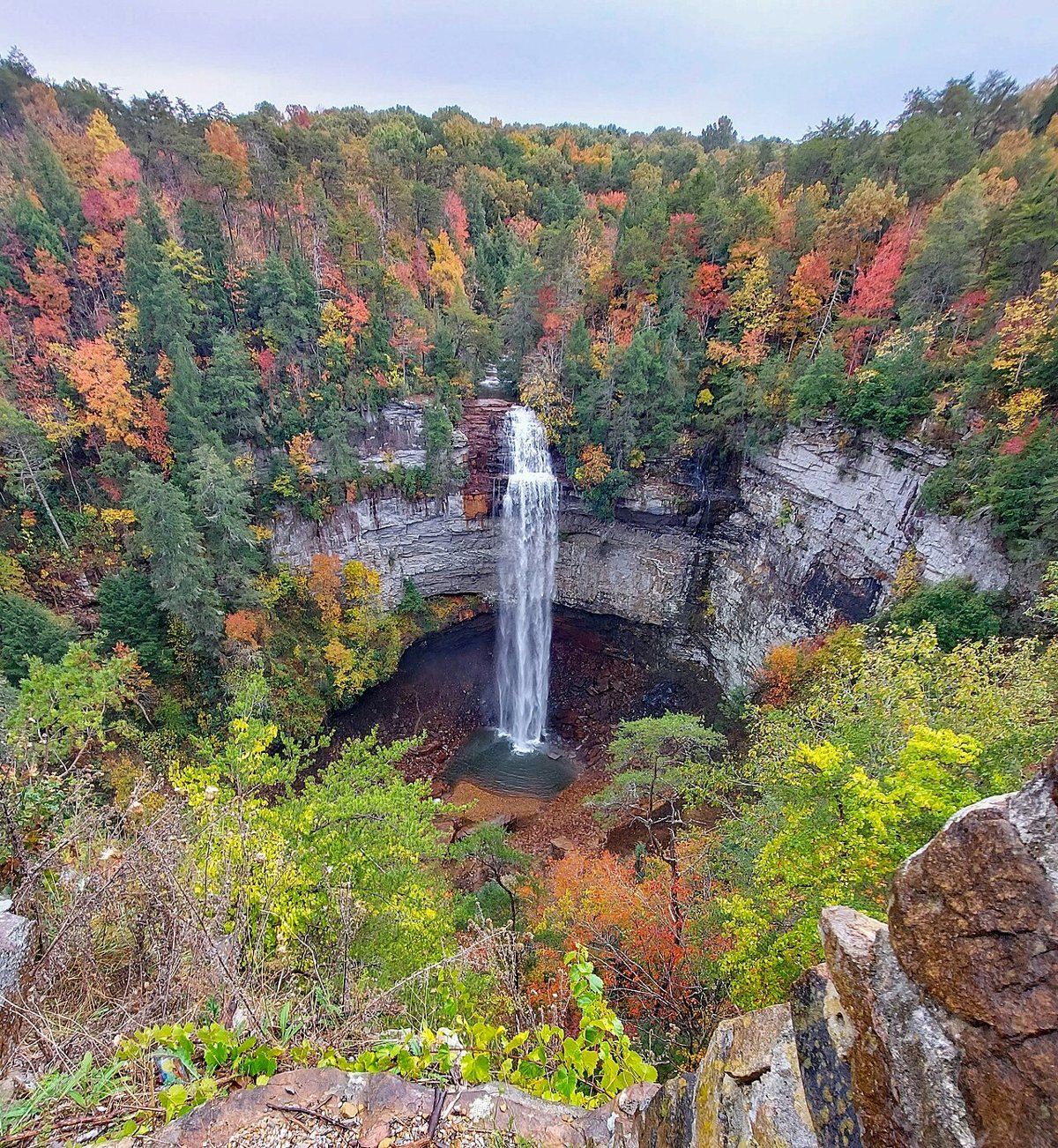
Fall Creek Falls State Park is about two hours east on the Cumberland Plateau, and it's the one on this list worth planning an entire day, or even an overnight, around rather than squeezing in alongside something else. The park centers on a 256-foot waterfall, one of the tallest east of the Mississippi River, but the real draw for most repeat visitors is the range of trails weaving through gorges, past additional smaller falls, and along bluff-top overlooks with views out over the plateau in every direction. There's a golf course, a nature center, and cabin rentals if you want to stretch the trip past a single day rather than turn around and drive home that night. Because it's the furthest of the plateau waterfall parks from Nashville, most people who make the drive treat it as the entire day's plan rather than one stop among several.

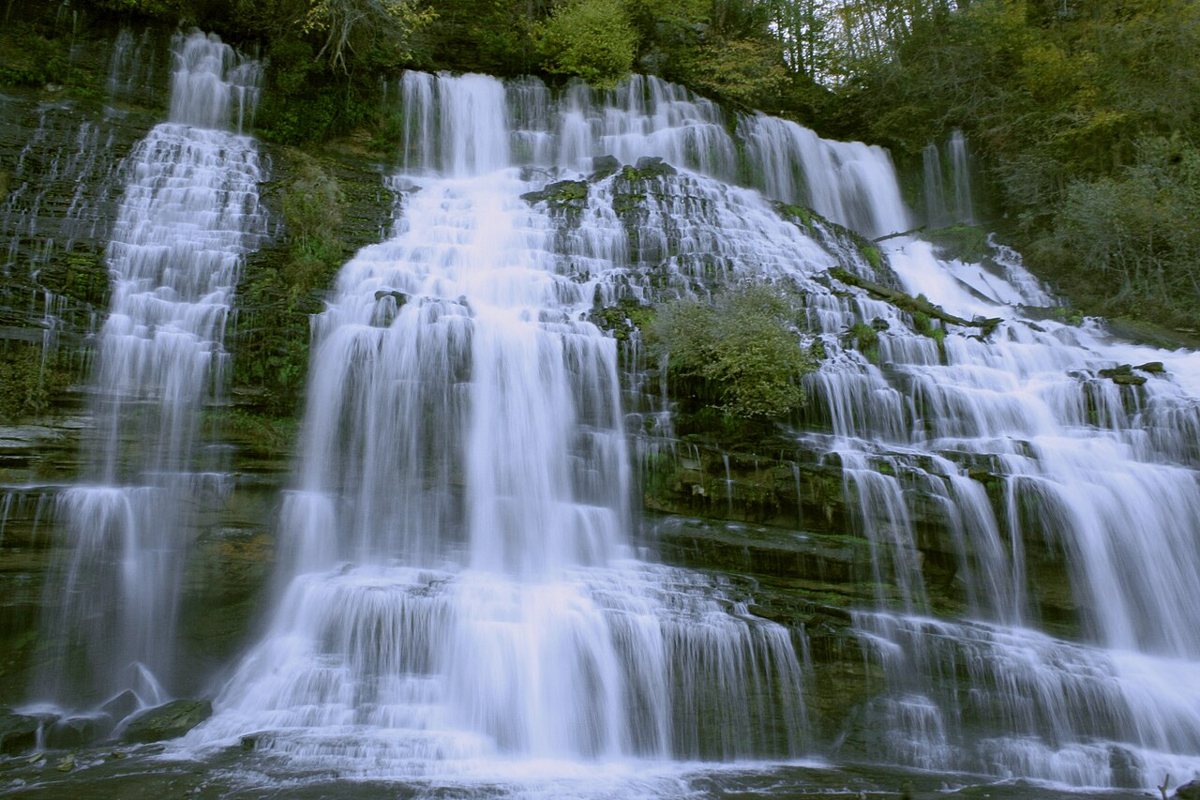
Center Hill Lake and Rock Island State Park sit close together about an hour to an hour and a half southeast, and they make a natural pair for anyone who wants both flat water and moving water in the same afternoon. Center Hill is a clear, deep reservoir popular with boaters and cliff-jumpers along its rockier shoreline, with marinas scattered around its edges for anyone who doesn't own a boat but wants to rent one for the day. Rock Island, just downstream where the Caney Fork, Collins, and Rocky rivers converge below the Great Falls dam, has a series of cascades and a swimming area carved out of the river rock that feels more dramatic than the park's modest size suggests on a map. The current below the dam can run unpredictably depending on releases from the power plant upstream, so check posted warnings before wading in past the marked swim zone, regardless of how calm the water looks that day.

Farther Afield: The Best Day Trips From Nashville If You Have More Time
These two push past what most people consider a reasonable day trip, but plenty of Nashvillians make the drive anyway, usually leaving before the sun's fully up.
Chattanooga is a solid two hours southeast on I-24, pushing the outer edge of a day trip but manageable if you leave early and don't mind a long drive home tired. The city has spent the past two decades rebuilding a downtown around its riverfront, with the Tennessee Aquarium, the Walnut Street pedestrian bridge, and the incline railway up Lookout Mountain all reachable on foot from a single central parking spot. Ruby Falls and Rock City, both up on Lookout Mountain, are heavily marketed roadside attractions that predate the current tourism boom by decades, and they're worth doing once even if the billboards leading up to them get a little relentless somewhere around the Tennessee-Georgia line. Chattanooga rewards people who like a walkable downtown built around a working river, which puts it closer in feel to a small city than to any of the small towns on this list.


Mammoth Cave National Park, in south-central Kentucky, is genuinely a stretch as a day trip at roughly two and a half to three hours each way, but it's real enough and close enough that plenty of Nashvillians do it anyway once or twice a year. It's the longest known cave system on earth, with ranger-led tours ranging from an easy walk through the historic entrance to strenuous multi-hour routes through tight, low-ceilinged passages that aren't for anyone with claustrophobia. Bowling Green, Kentucky, sits roughly halfway between Nashville and the cave, about an hour north of the city, and makes a reasonable stopping point on the way up or back, home to the National Corvette Museum if you want a break from underground tunnels and a reason to stretch your legs above ground. Book cave tour tickets in advance rather than showing up and hoping for space; popular tour times sell out, especially in summer and around fall foliage weekends.
The Best Day Trips From Nashville, Planned Around Seasons and Safety
A few practical notes worth reading before you load up the car, since most of the mistakes people make on these trips are avoidable with a little planning.
- Traffic out of Nashville on I-24, I-65, and I-40 gets thick between roughly 4 and 6:30 on weekday evenings. Time your return before or after that window when you can, especially coming back from anything east of the city.
- Spring and fall are the best seasons for the waterfall parks. Spring brings the highest water volume after winter rain, while fall brings foliage color and noticeably lower crowds than summer weekends.
- Waterfall gorges flood fast after heavy rain, sometimes with no warning at the base even if it isn't currently raining where you're standing. Check park alerts the morning you go, and never cross a swollen creek no matter how shallow it looks.
- Cell service drops out on stretches of the Natchez Trace, in the plateau state parks, and around Rock Island. Download offline maps before you leave city limits rather than counting on a signal once you're out there.
- Distillery tours and battlefield sites both get significantly less crowded on weekday mornings, which is also when you'll get the most attentive guides and the shortest lines.
- Summer weekends bring the heaviest crowds to every waterfall and lake on this list. If your schedule allows a weekday, that single choice does more to improve the trip than anything else here.
None of this requires a marketing pitch about "Music City" charm to make sense. The reason Nashvillians drive out to Franklin, or the plateau, or across the state line to a cave in Kentucky, is the same reason anyone leaves a city they love for a day: to remember what it sounds like when nobody's playing a cover of "Friends in Low Places." You can get Nashville hot chicken on the way out of town or come back for it that night, and you can still catch last call on Lower Broad if that's how you want to end the day. Most of us don't. We drive home tired and a little sunburned, glad to have put fifty or a hundred miles between us and the tour buses for a few hours, already talking about which one we're doing next.