Things to Do in Nashville Locals Recommend
Skip the pedal tavern and the postcard version of the city and you find a Nashville with two speeds, a working town underneath the boot-scoot, and both of them are worth your time.
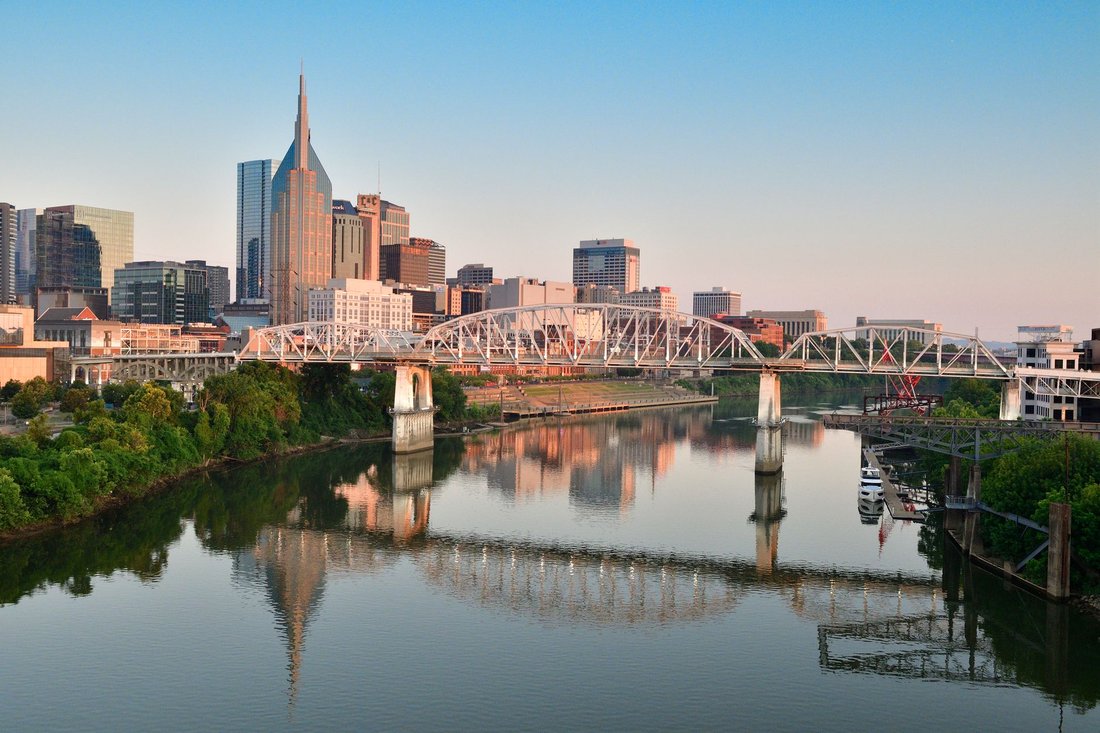
On a Sunday morning in early spring, a labor and delivery nurse getting off a twelve-hour shift at Vanderbilt University Medical Center walks past a bachelorette party still going strong on Lower Broadway, cowboy hats knocked sideways, a sash reading "Nashville or Bust" soaked through with someone else's beer. Neither woman looks at the other. That split is the first thing to understand before you make any list of things to do in Nashville: there are two cities here running on parallel tracks, and the honky-tonk strip most visitors see from a pedal tavern is only one of them. The other belongs to session musicians driving to a 10 a.m. studio call and to the doctors and nurses who staff two of the country's largest hospital systems. Longtime Southern families in Madison and Donelson round out that second Nashville, people who have never set foot on Broadway and have no plans to start.
Both versions show up here. The piece skips the concert-in-every-paragraph telling of the city that treats Nashville as one long stage, and instead maps the places locals actually send visiting relatives and out-of-town coworkers. Some of it overlaps with the postcard version. Most of it does not.
Things to Do in Nashville on Lower Broadway, Done the Local Way
You should go downtown. Skipping it entirely to prove a point about authenticity is its own kind of tourist behavior. The trick is going with a plan instead of drifting from bar to bar until the neon blurs together.
Ryman Auditorium
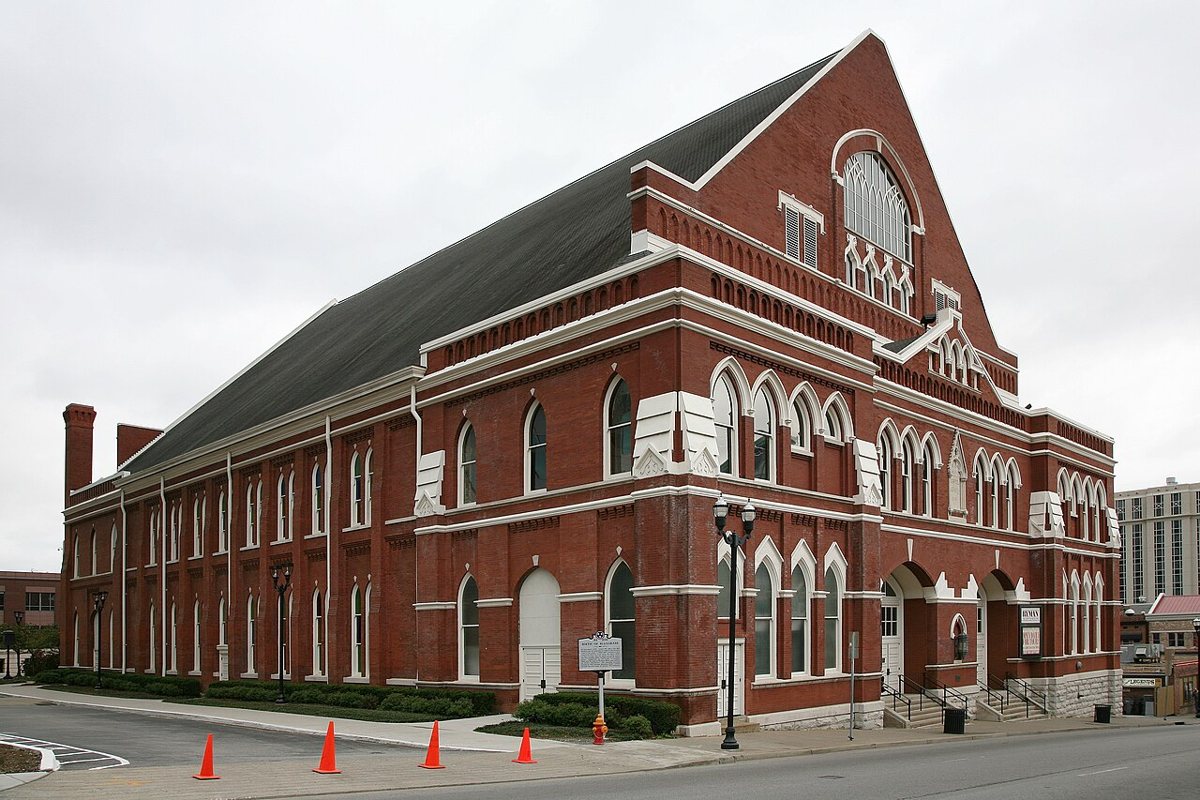
Before it was the mother church of country music, the Ryman was a religious tabernacle, and the pews are still there, wooden and unforgiving, which somehow makes the acoustics better rather than worse. The Grand Ole Opry lived here for over three decades before moving out to a suburban complex near the airport, and the room still carries that history in a way that's hard to fake. A daytime self-guided tour gets you onto the stage and into the building's bones; an evening show, whenever the schedule lines up with someone worth seeing, is the better version of the experience. The insider move is checking the calendar for anything outside the country genre. Comedians and singer-songwriters book the room just as often as country headliners, and so do touring acts from scenes that have nothing to do with Music Row, because the room itself is the draw. Those shows tend to be easier to get into than a big country name. It sits right downtown, a short walk off Broadway.

A Honky-Tonk Crawl That Isn't Just Broadway
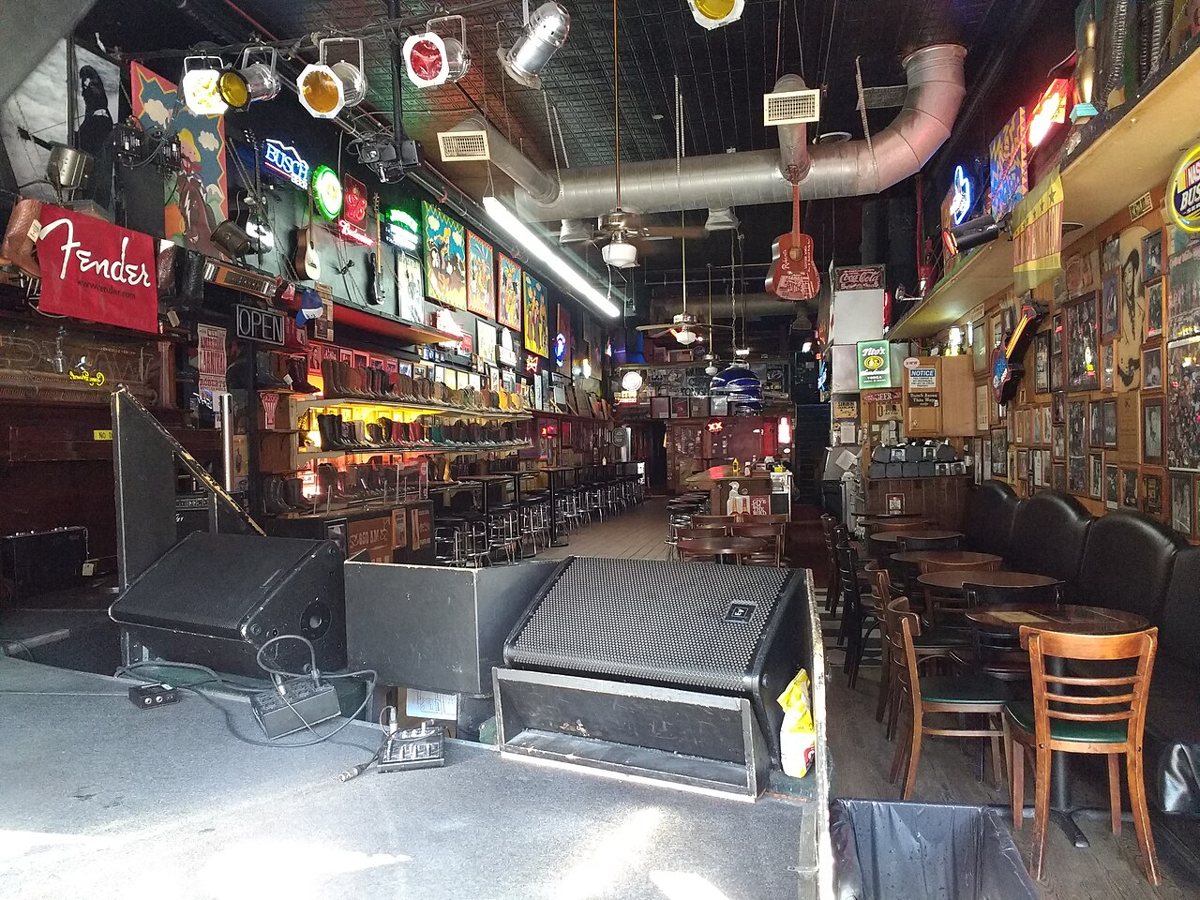
Lower Broad gets mocked by locals, sometimes unfairly. Yes, there are pedal taverns and bachelorette parties and cover bands playing the same twelve songs at every bar. There are also still a handful of places where the music is genuinely good and the beer is still cheap, Pabst or Dos Equis in a can, no craft list required. Robert's Western World is the one locals will actually recommend without an eye roll, a former boot store that still sells boots up front while a rotating cast of honky-tonk and rockabilly bands plays for tips in back. Tootsie's Orchid Lounge, the purple-fronted bar whose back door has fed the alley behind the Ryman for generations, is worth one drink for the history even if you don't stay. The trick to doing Broadway right is going before dark on a weekday, when the bands are still good and the crowd hasn't turned into a bachelorette relay race, and treating it as a fifteen-minute stop in each bar rather than a destination for the whole night. Late afternoon on a Tuesday or Wednesday tends to work best, before the dinner crowd arrives and well before the bars fill in for the weekend rush.

Country Music Hall of Fame and Museum
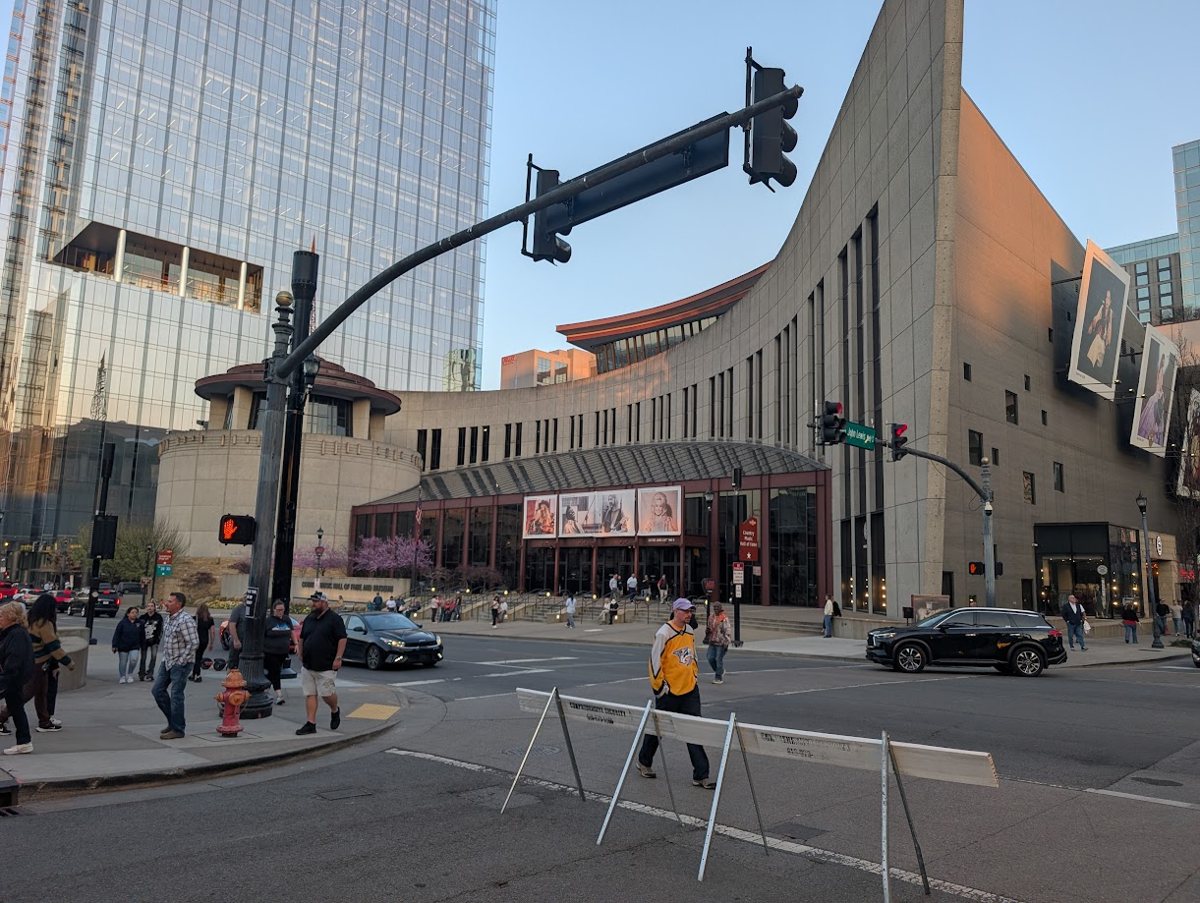
The museum actually earns the hype here, a serious archive of American music history housed in a building shaped like a piano keyboard and a radio tower if you squint from above. The permanent collection traces country from its Appalachian and blues roots through the Nashville Sound era into the present, and the rotating exhibits are frequently better than the permanent ones, deep dives into a single songwriter or a specific studio sound. Give it two to three hours minimum. The insider tip locals pass along is to buy the combination ticket that includes a tour of historic RCA Studio B if you have any interest in how records actually got made in this town, since the studio tour departs from the museum and books up by early afternoon. The museum sits in the heart of downtown, easy to combine with the Ryman.

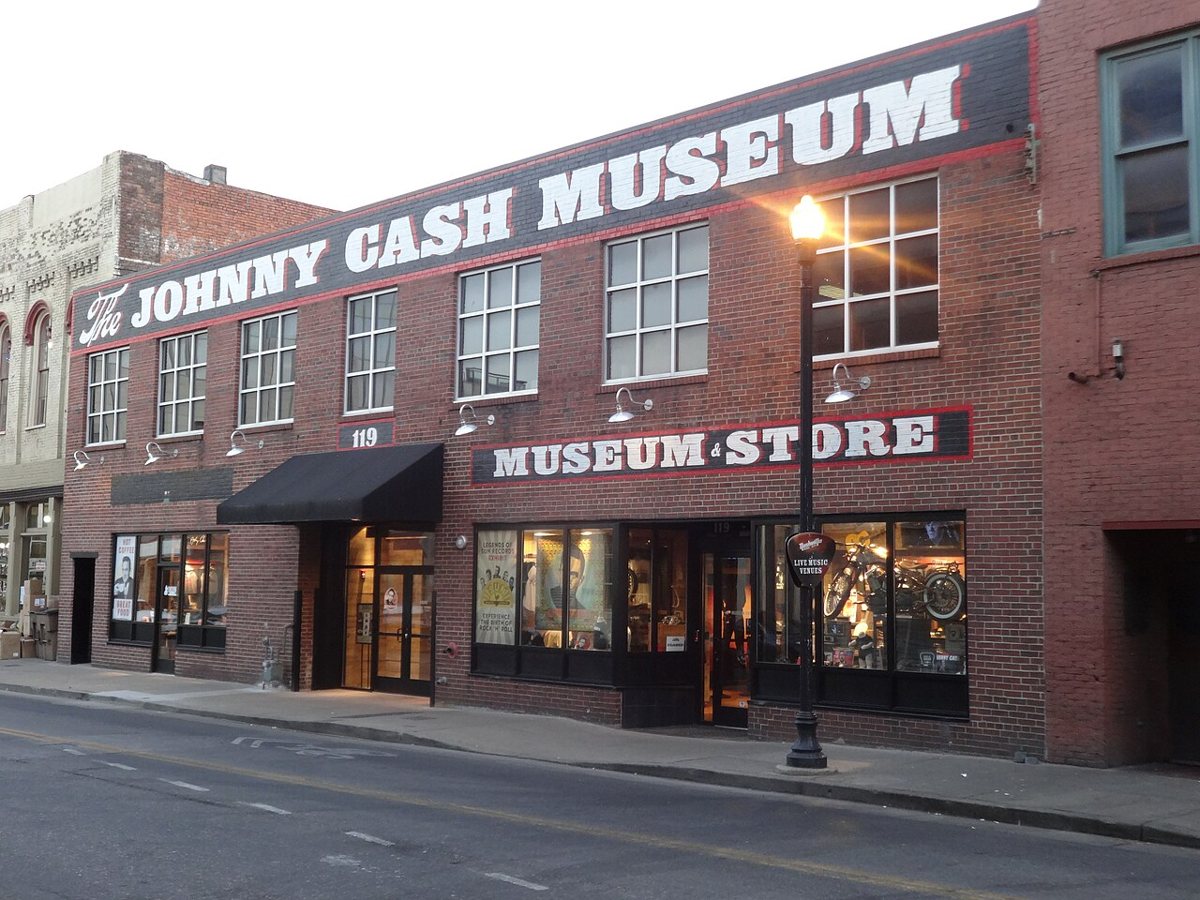
Johnny Cash Museum
Smaller and more focused than the Hall of Fame, this museum is a private collection built around Cash's life and career, from his Arkansas childhood through the Sun Records years into the Rick Rubin-produced American Recordings era that introduced him to a new generation. It's dense with artifacts, handwritten lyrics, stage-worn clothing, letters, and it rewards people who already know the outline of his story more than total newcomers, though it works fine either way. Weekday mornings are the quietest time to visit, since it's a compact space that gets crowded fast once tour groups arrive midday. It's a few blocks off Broadway, easy to pair with the honky-tonk crawl.

Frist Art Museum
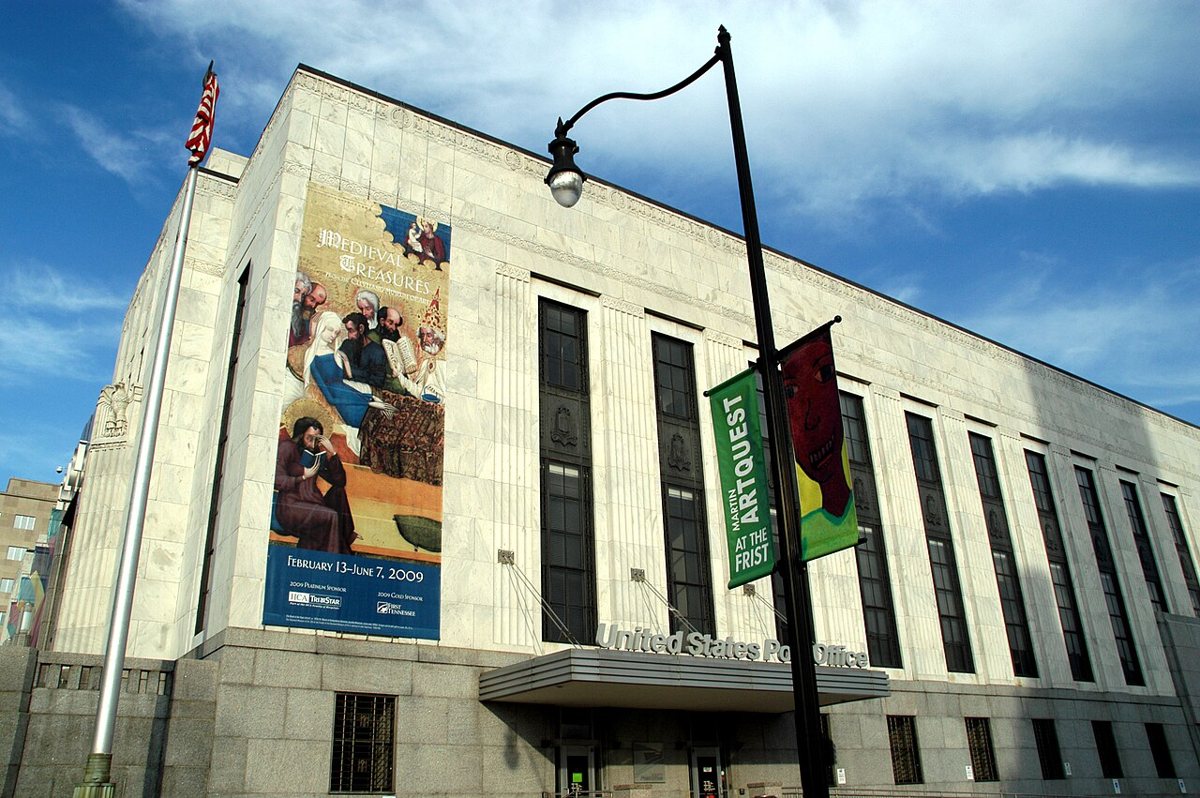
Housed in a restored Art Deco former post office, the Frist doesn't have a permanent collection, which means every visit is different. It brings in traveling exhibitions that range from photography retrospectives to contemporary design and painting shows, and the building itself, all polished marble and geometric brass detailing, is worth the visit on its own. Anyone who wants proof that the city's cultural life extends well past the music industry should stop here. Admission is usually cheaper than the music museums downtown, and the café inside is a legitimately good lunch spot, not an afterthought. The museum is a short walk from the Country Music Hall of Fame, on the edge of downtown proper.

Bridgestone Arena and a Predators Game
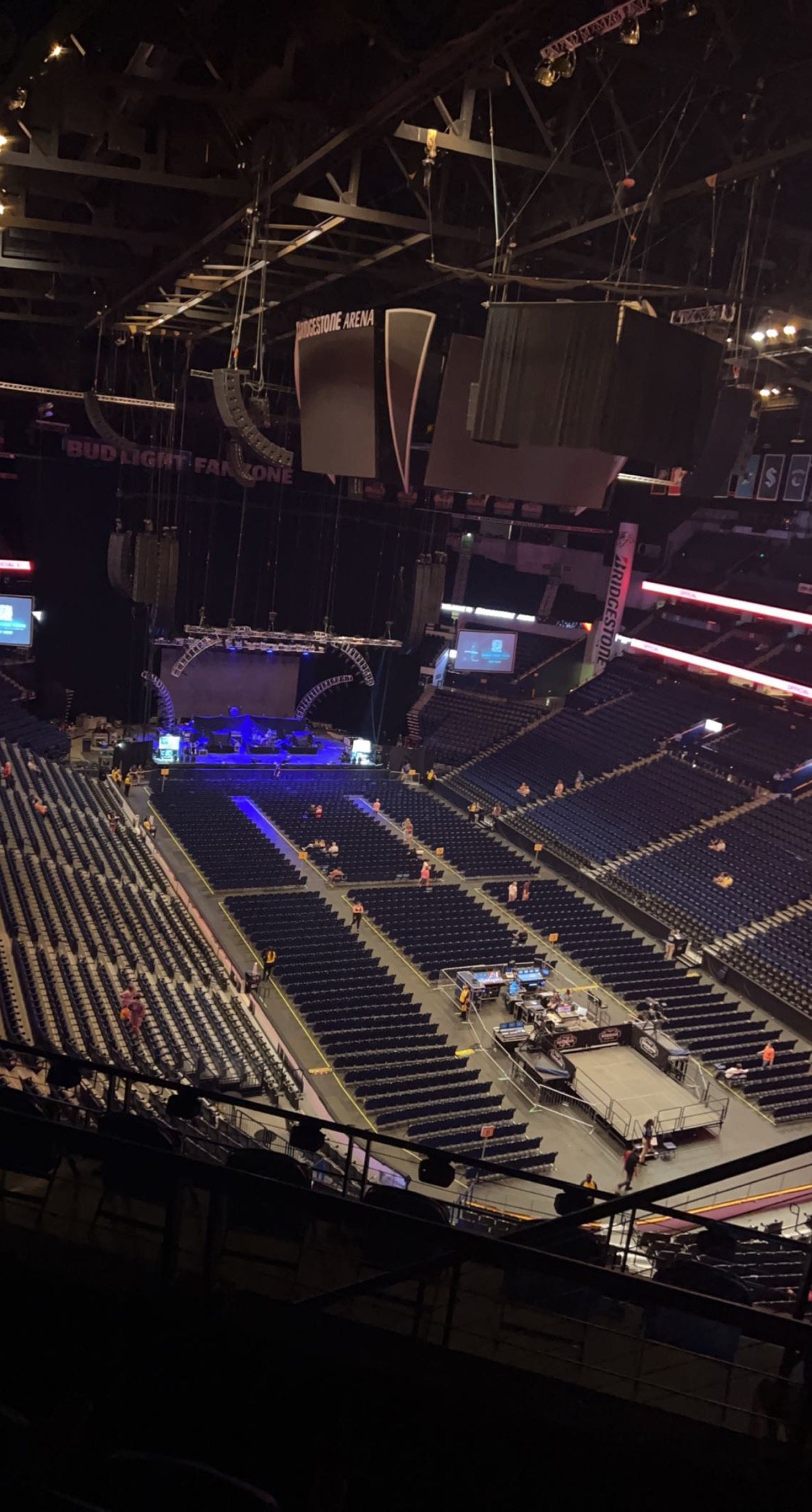
Outsiders are often surprised by how seriously Nashville takes hockey. The Predators have been a fixture downtown for more than two decades, and a home game at Bridgestone Arena, right on the edge of Broadway, is one of the loudest, most genuinely local nights out you can have in this city. Catfish occasionally land on the ice, a tradition too specific and too strange to fully explain in advance. If a game isn't on the schedule during your visit, the arena also hosts touring concerts and, come spring, packs the surrounding blocks with fans watching outdoor screens even when the team is on the road. Buy tickets on the resale market rather than at face value if you're flexible on seats, since prices swing hard depending on the opponent. Parking downtown fills up fast on game nights, so arrive with enough time to walk the last few blocks rather than circling for a spot.

The Music Nobody Puts on a Postcard
If Broadway is the version of Nashville built for a bachelorette weekend, the Station Inn is the version built for people who actually care about the music. It's the corrective every local eventually recommends once they trust you a little.
Station Inn
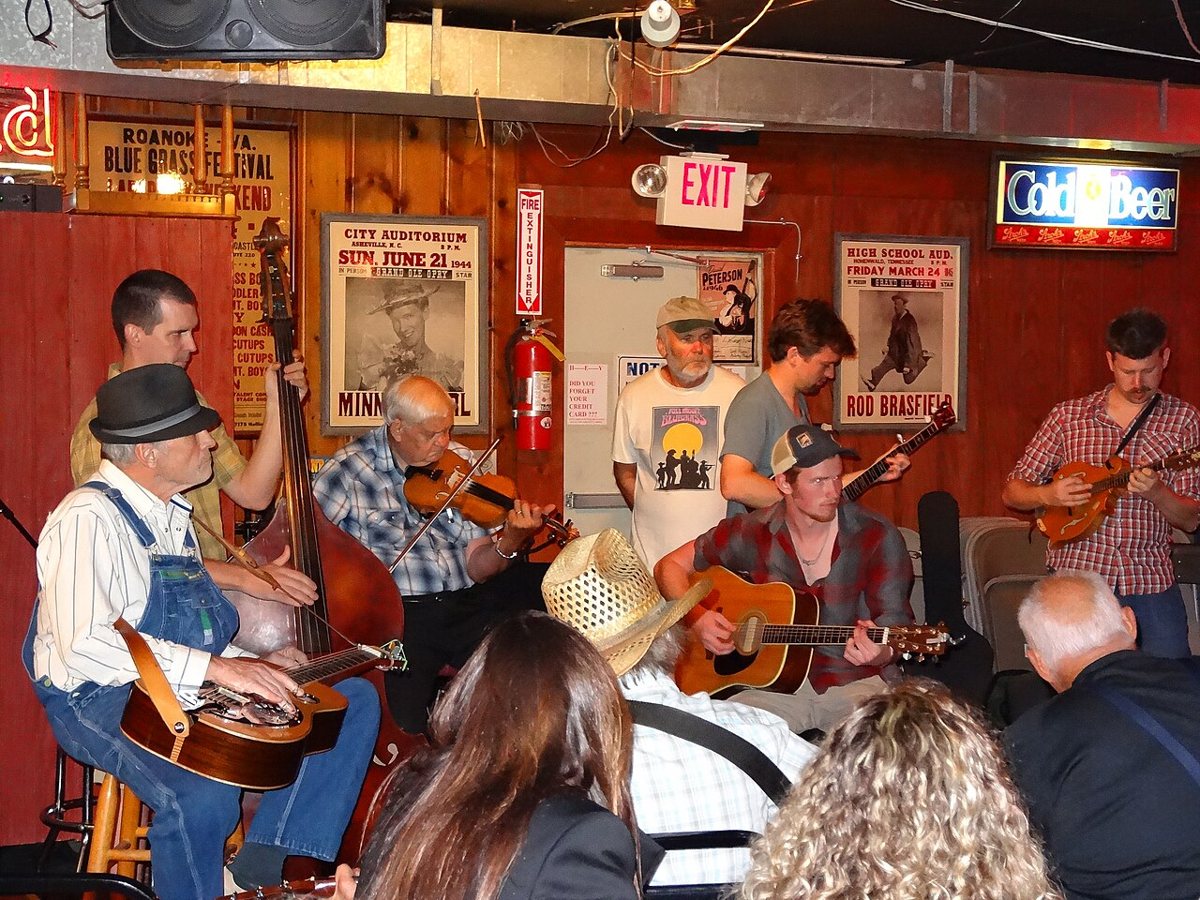
Tucked into a low brick building in the Gulch, a neighborhood otherwise defined by condo towers and rooftop bars, the Station Inn has been hosting serious bluegrass and acoustic music since the 1970s, and it has stubbornly refused to modernize its interior in any way that would compromise the sound or the feel. No stage lighting rig, no craft cocktail menu, just folding chairs and a bar in back. The musicians are often among the best pickers working today, and they sometimes stop by unannounced after a session gig downtown. Cash is still the safest bet at the door. Bring anyone who thinks Nashville's music scene begins and ends with Broadway cover bands to this room, because forty minutes inside will change their mind. Weeknights offer the best shot at hearing a genuine surprise sit-in.

Where Nashville Exhales: Parks and Gardens
The city's green spaces do a lot of the work that Broadway gets credit for, giving residents somewhere to decompress that has nothing to do with tourism at all.
Centennial Park and the Parthenon
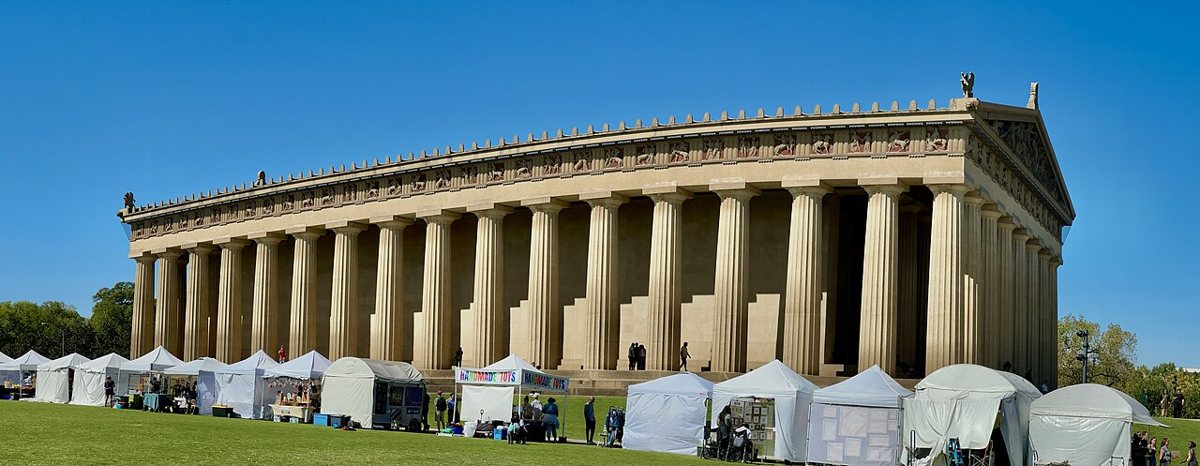
Built for Tennessee's 1897 centennial exposition and never torn down, Nashville's full-scale replica of the Athens Parthenon anchors a park that functions as the city's real living room, full of runners, dog walkers, picnic blankets, and, on weekends, informal frisbee leagues. Inside the Parthenon is a genuinely startling forty-two-foot gilded statue of Athena, the tallest indoor sculpture in the Western world, along with a modest art gallery. Most locals visit the park itself more often than the building, but the Athena statue is worth the admission at least once, if only to watch first-time visitors crane their necks at the scale of it. Golden hour is the time for the classic photograph, when the light hits the columns from the west.

Cheekwood Estate & Gardens
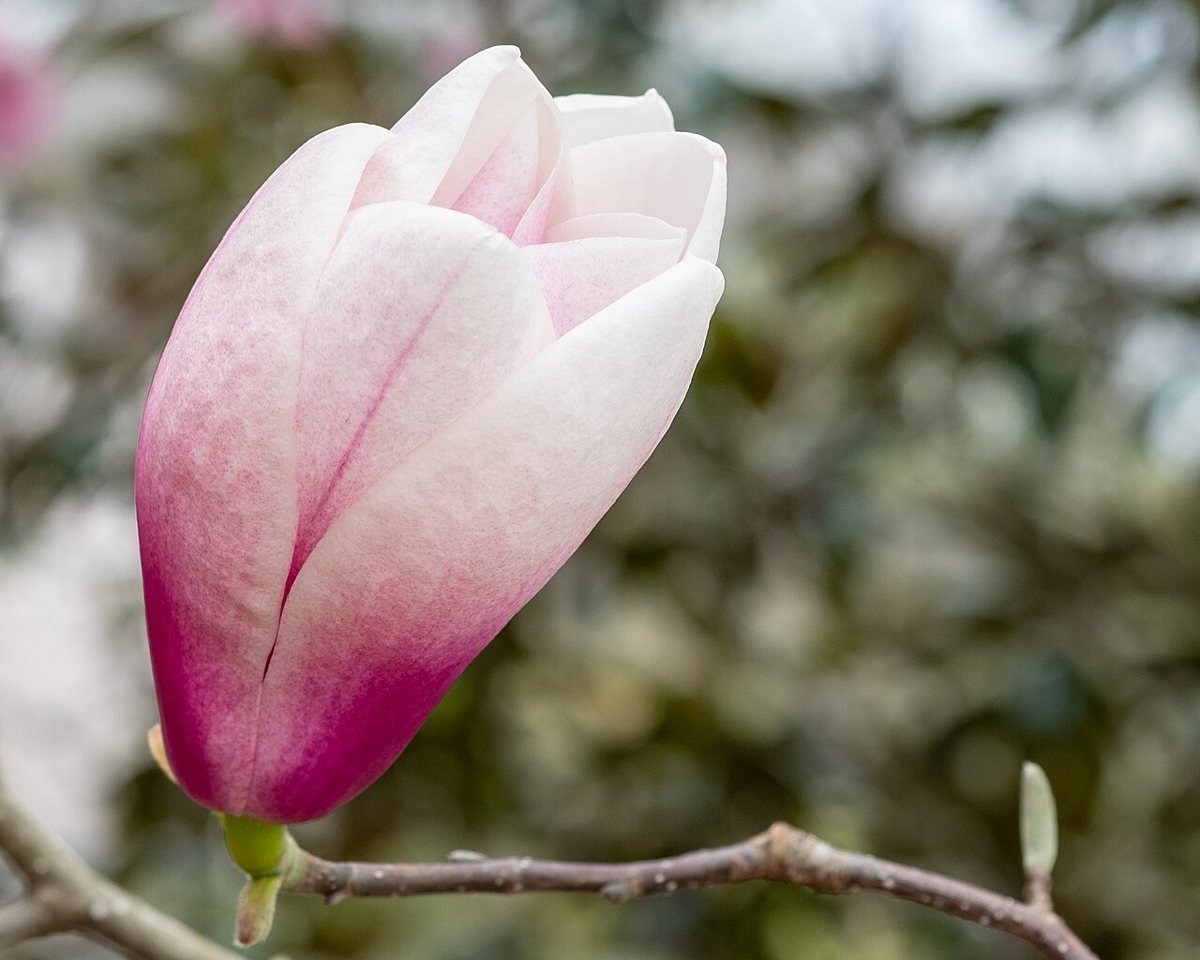
A former Cheek family estate turned botanical garden and art museum, Cheekwood sits on rolling grounds in the western part of the city, with formal gardens, woodland trails, and a Georgian mansion that hosts rotating art exhibitions. The seasonal installations change through the year: spring bulbs give way to summer sculpture displays, and by winter it's a well-known holiday lights show, drawing locals back year after year in a way no brochure could manufacture. Wear real shoes, since the grounds are larger than they look on a map and the best parts require walking. The estate sits well outside downtown, worth the drive for anyone who wants a slower, quieter Nashville than the honky-tonks offer.

Radnor Lake State Park
When locals talk about getting out of the city for an hour without actually leaving it, this is the park they mean. A small natural lake ringed by hiking trails just south of the city, Radnor Lake bans bikes and joggers on its main loop specifically to keep it quiet, and the result is a park that feels closer to the Cumberland Plateau than to a metro area of two million people. Deer and herons show up regularly enough that longtime visitors stop being surprised by them, and the occasional otter still turns heads. Arrive early on a weekday morning if you want the trail close to yourself, since weekend afternoons draw a real crowd. The park is a short drive south of downtown, easy to combine with a stop in the Green Hills area.

Shelby Bottoms Greenway
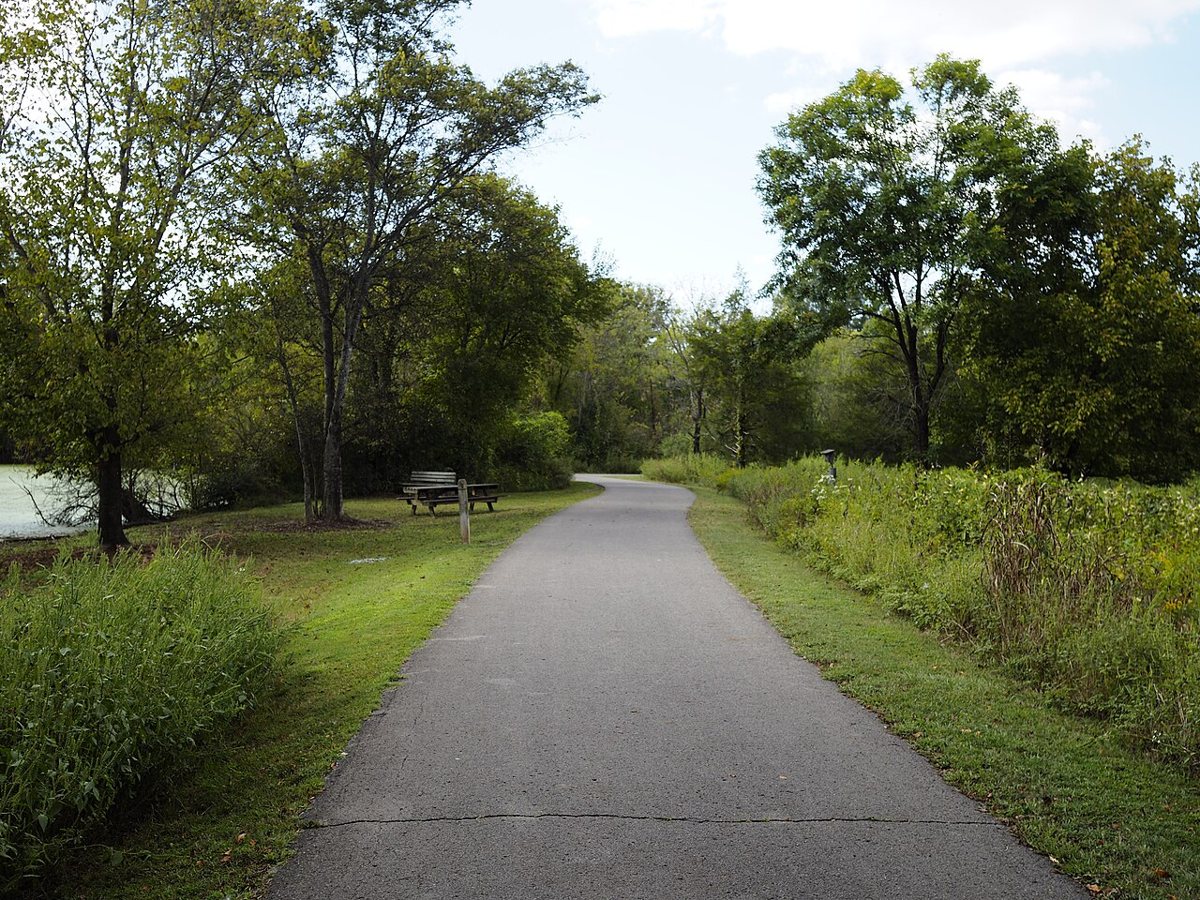
East Nashville's answer to Radnor Lake, this greenway follows the Cumberland River through wetlands and hardwood forest, with paved paths for cyclists and runners and a more rugged network of dirt trails for anyone who wants to get away from the pavement entirely. It's flatter and less dramatic than Radnor, but it's also less crowded and easier to reach if you're already staying in East Nashville. Locals use it the way any city dweller uses a nearby trail system, as a daily reset rather than an occasion. Bring bug spray in the warmer months, since the wetland sections take that seriously. The trail network connects into nearby streets, so a short loop can easily stretch into a longer one without doubling back.

Neighborhoods Locals Actually Live In
Nashville's neighborhoods have distinct personalities, and understanding a few of them tells you more about the city than another lap of Broadway ever could.
East Nashville
East Nashville was the creative neighborhood before anyone marketed it that way, home to musicians and artists who moved across the river for cheaper rent decades ago. It is not undiscovered anymore, and pretending otherwise insults everyone who watched it change. The 5 Points intersection is now dense with restaurants and bars, plus enough boutiques that prices there rival anywhere else in the city. What still makes it worth a visit is the concentration of independent restaurants and the bar scene, which leans toward strong, well-built cocktails rather than the beer-bucket approach downtown. Spend an evening wandering 5 Points and the surrounding blocks and you'll understand why locals still defend the neighborhood even while grumbling about what it costs to live there now.
12South
Walkable, boutique-heavy, and built for a slow Saturday morning, 12South is the neighborhood most likely to show up on a phone screen before a visitor ever sets foot in it, thanks to a mural-heavy stretch of Instagram-friendly storefronts. The shopping is genuinely good, locally owned clothing and home goods stores rather than chains, and the brunch lines on weekends are long enough to plan around. It's a smaller, more contained experience than East Nashville, easy to cover in two or three hours on foot. Crowds thin out considerably on a weekday afternoon, compared to the Saturday brunch rush, when strollers fill the sidewalks and the wait for a table can stretch past thirty minutes.
Germantown and the Nashville Farmers' Market
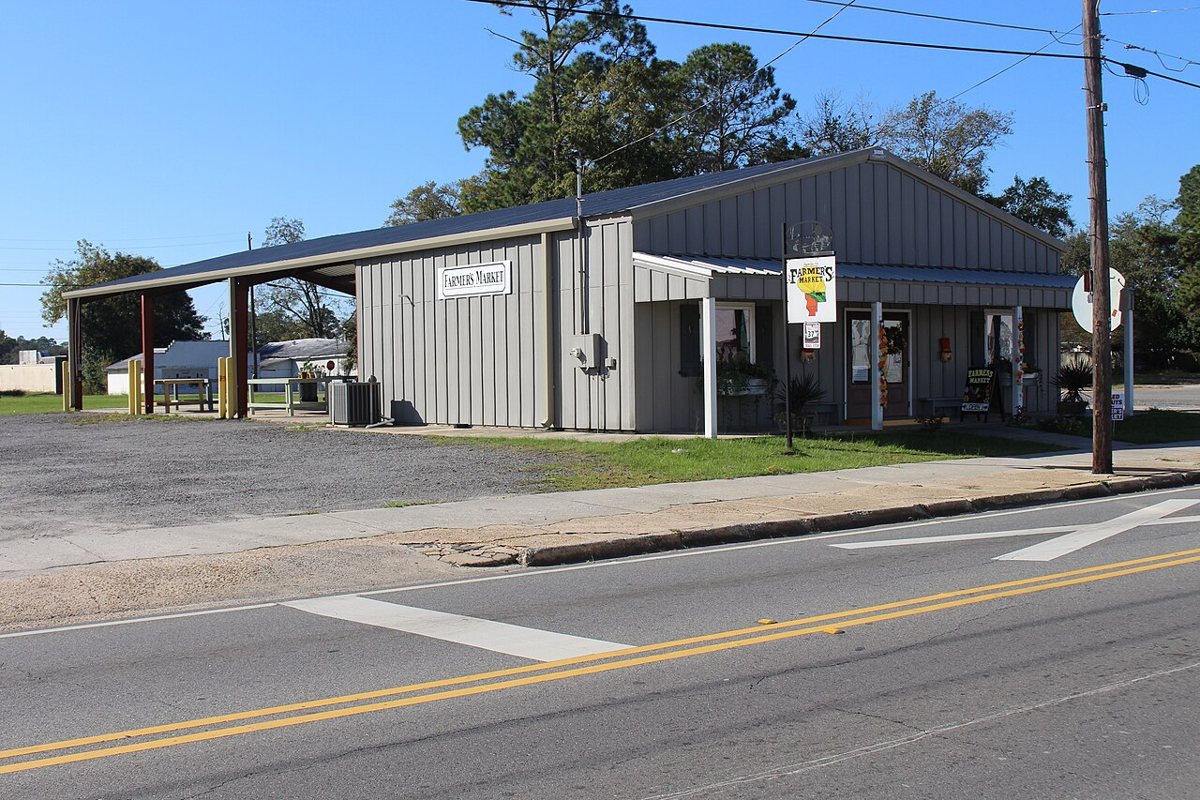
One of the city's oldest neighborhoods, Germantown has historic brick rowhouses alongside newer development, and it moves at a calmer pace than the Gulch just to its south. The Nashville Farmers' Market anchors the area, a year-round market hall with local produce vendors and a food hall built around global and Southern cuisine. What it offers most is a genuine cross-section of the city rather than a tourist-facing version of one. Weekend mornings bring out families doing their actual grocery shopping alongside visitors grabbing lunch, and that mix is exactly the point. It sits an easy walk from downtown, just north of the Bicentennial Capitol Mall.

Wedgewood-Houston
Locals call it WeHo, and it's the neighborhood currently doing what East Nashville did fifteen years ago, an industrial stretch of warehouses converting into galleries and studios, with small breweries filling in the gaps. It's rougher around the edges than 12South or East Nashville and still figuring out what it wants to be, which is part of the appeal for anyone interested in where the city's creative energy is actually headed next rather than where it already landed. Gallery crawls happen periodically and are worth timing a visit around if the schedule allows. A few of the breweries in the neighborhood double as informal galleries themselves, hanging local art on the walls between the fermentation tanks.
Sylvan Park and Madison
Sylvan Park is quiet by design, a neighborhood of bungalows and young families that trades nightlife for tree-lined streets and a handful of well-regarded neighborhood restaurants. Madison, north of the river, is working-class and underwritten in most visitor guides, but it's a real slice of the city, with longtime Southern families, more affordable housing, and none of the polish that draws tourists elsewhere. Neither neighborhood needs to headline a trip, but both are useful reminders that Nashville is a full city, with hospitals and schools as much a part of it as any grocery store parking lot, not just a stage set for a bachelorette party.
Getting the Logistics Right
A few practical notes that make an actual difference once you're on the ground.
- Nashville does not have a robust public transit system. Renting a car or budgeting for rideshares is close to essential unless you're staying entirely downtown and in East Nashville, which are walkable to and from each other via a couple of pedestrian bridges.
- Traffic gets genuinely bad during weekday rush hours and around any major event at Nissan Stadium or Bridgestone Arena. Build in extra time if you're driving across town midday on a weekday.
- Weekday visits beat weekends almost everywhere on this list except the farmers market. Broadway, the museums, and the parks are all calmer Monday through Thursday.
- Plenty of this list is free or close to it. Centennial Park, the Parthenon grounds, Radnor Lake, Shelby Bottoms, walking through 12South or East Nashville, and stepping into most honky-tonks all cost nothing beyond what you choose to spend once inside. Museums and the Predators are the real budget items.
- Check current hours before you go for any museum or attraction, since schedules shift seasonally and around holidays.
- Summers run hot and humid, and winters bring occasional ice storms that can shut the city down for a day or two. Spring and fall offer the most comfortable weather for walking neighborhoods.
Two Cities, One Visit
The honest advice is to stop trying to pick a side. Spend a night on Broadway because it is genuinely fun in short doses and because pretending it doesn't exist is its own kind of dishonesty about what this city is. Then spend the next morning at Radnor Lake or wandering Germantown on a Saturday when the farmers market is busy with people buying vegetables rather than souvenirs, and let that be the version that actually sticks with you. Nashville's tourism machine wants you to believe the city is one long celebration with a soundtrack. The nurses finishing overnight shifts at Vanderbilt know better, and so do the session players driving across town for a noon session and the families in Madison who've lived here for three generations. A visit that only sees the boot-scoot version misses most of what actually makes the place worth caring about. Find a plate of hot chicken somewhere that isn't printed on a T-shirt. Close the night with a cocktail in East Nashville, and you'll leave with a truer picture than most people get in a week.