Best Parks in Nashville: A Local's Guide
Nashville's best parks split the city's personality right down the middle: Broadway's neon strip on one side, and on the other, the Warner Parks, Radnor Lake, and East Nashville's greenways where musicians, nurses, and lifelong Nashvillians actually go to breathe.
The first hint of daylight over Percy Warner Park usually finds someone already on the stone steps near the old steeplechase grounds, breathing hard, earbuds in, training for nothing in particular. A few miles east, Shelby Bottoms Greenway fills with a different crowd: night shift nurses walking off a long stretch at one of the hospitals off West End, dog walkers, a fiddle player still wearing yesterday's boots. This is the Nashville that never makes it into the tourism reel of neon guitars and pedal taverns on Lower Broad. It is a city that also delivers babies, staffs ICUs, teaches school, and needs somewhere quiet to put its feet on grass before the next shift starts. Anyone searching for the best parks in Nashville should know up front that this city's green spaces reflect that split personality as much as its music does.
Lower Broad gets the postcards. The parks get the daily use. Centennial Park hosts lunch breaks from Midtown offices as often as it hosts tourists photographing the Parthenon. Shelby Park has been East Nashville's backyard since long before real estate listings started calling the neighborhood up and coming, and it still is. Out past the interstate, Percy Warner and Edwin Warner cover more ground than most visitors expect from a city park, and Radnor Lake sits close enough to the suburbs that deer wander near driveways within a mile of it. None of this cancels out the honky tonks. It just means Nashville is a bigger, more complicated place than three chords and a chorus, and its parks are where that complexity is easiest to see.
The Best Parks in Nashville, By Neighborhood and Type
The guide moves outward from downtown: the riverfront parks first, then the West End's centerpiece, East Nashville's network of green space along the Cumberland, the Warner Parks and the hilltop overlooks near them, the state natural areas that feel far more remote than they are, and the estate garden that belongs on any honest list of things to do in the city. Each entry covers what the park actually is, why it earns a spot here, and how to use it well.
Downtown and the Riverfront
Cumberland Park
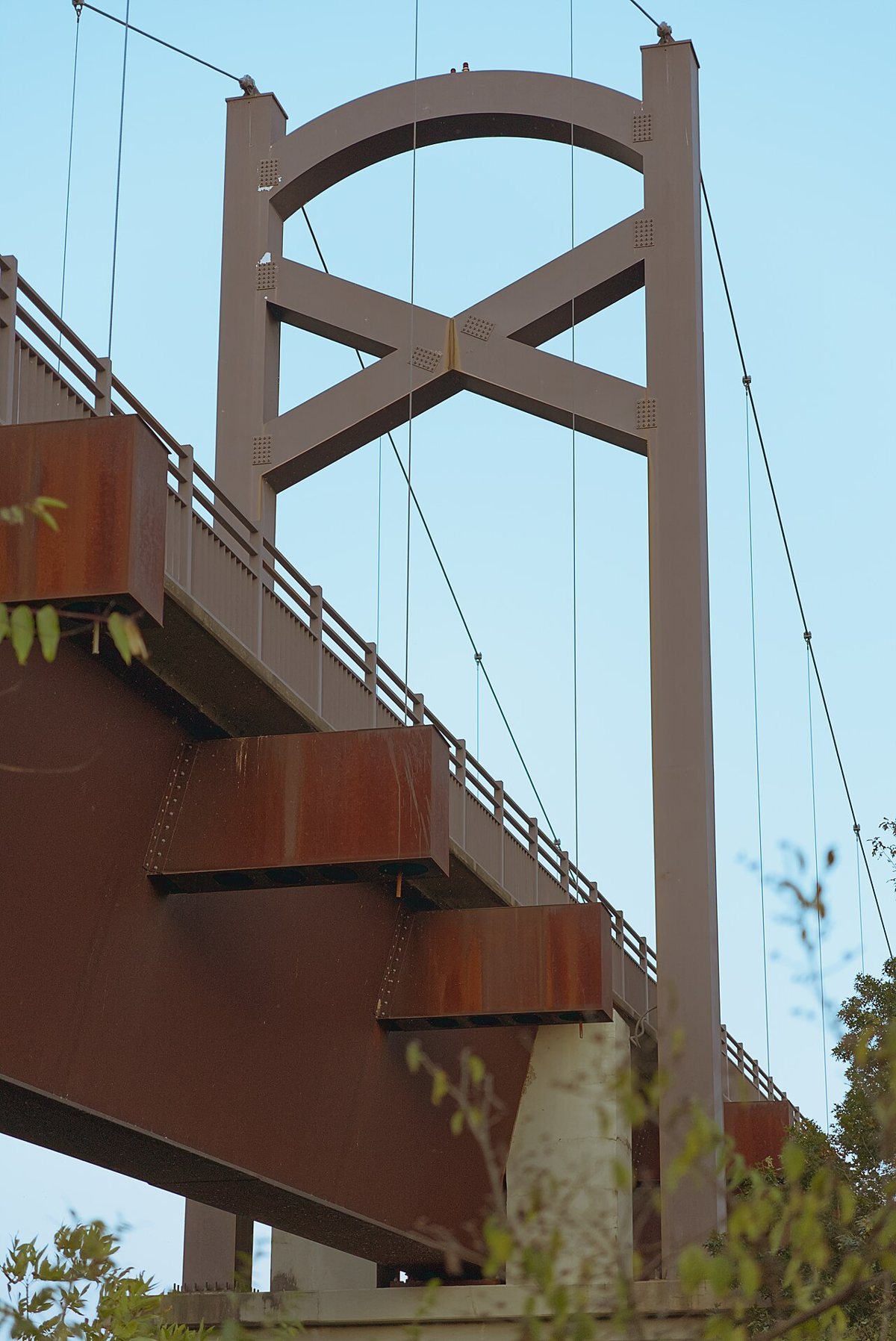
Cumberland Park sits directly across the river from the football stadium, and for years it has been downtown's answer to the question of where to take kids or spread out a blanket without leaving the urban core. It is not large, but it works hard for its acreage: splash pads and a climbing wall keep families occupied in warm months, a network of paths and overlooks gives close views of the Cumberland River and the pedestrian bridge, and the amphitheater has hosted outdoor concerts and events tied to downtown's calendar. What makes it worth a special trip is the contrast it offers to Broadway a few blocks away. Cross the pedestrian bridge from the honky tonks and the noise drops away fast, replaced by river sound and kids on the climbing boulders. Early morning, before downtown fully wakes up, is the best time to walk the riverfront path here, when the light hits the water and the crowds have not arrived yet.
Bicentennial Capitol Mall State Park
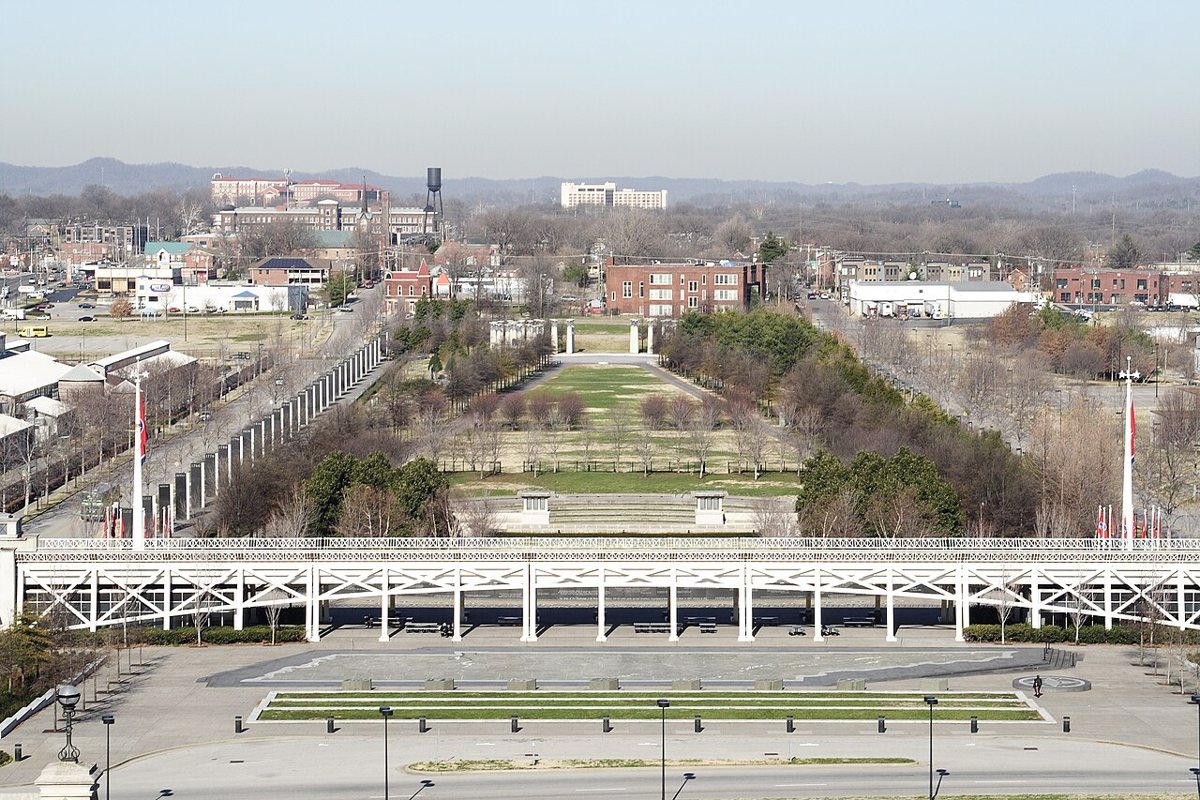
It is easy to walk past this one without realizing what it is. Bicentennial Capitol Mall State Park stretches out below the State Capitol downtown, a long open mall built to mark Tennessee's two hundredth birthday, and it functions as part civics lesson, part green escape from downtown concrete. A granite map of the state stretches across the ground at one end. A World War II memorial and a walk of counties line the paths. At the northern end, the 95 bell carillon marks the state's ninety five counties and rings out on a schedule tied to the park's design. It is one of the few genuinely quiet, contemplative outdoor spaces within easy walking distance of downtown hotels and the honky tonks on Lower Broad, which makes it worth pairing with a Broadway visit rather than treating as a separate trip. A farmers market operates near the park's edge, which adds foot traffic and a reason to linger. The carillon and the county walk reward a slow pace; it is not a park to jog through fast.
Fort Negley Park
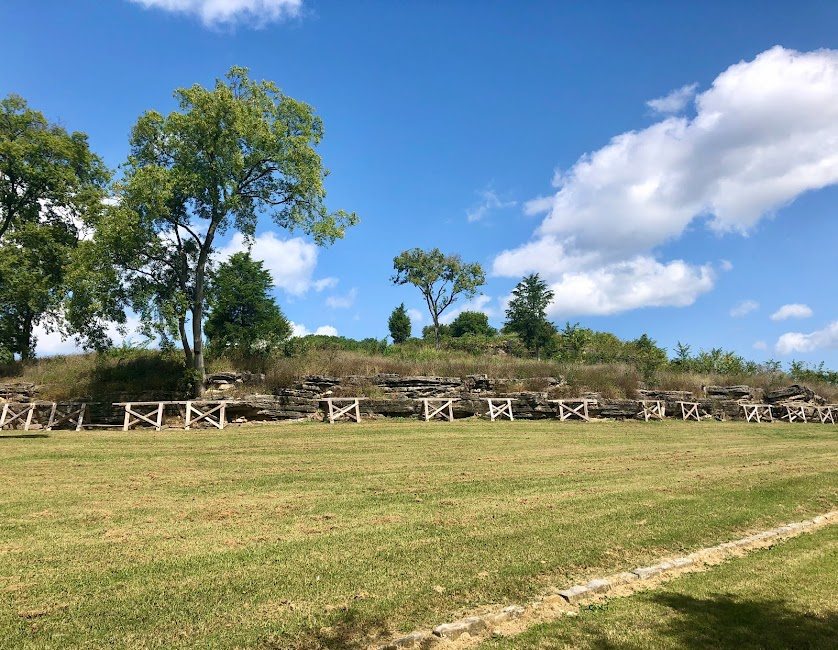
Fort Negley sits on a hill just south of downtown and carries more history than almost anywhere else on this list. Union forces built it during the Civil War, and the labor came largely from Black Nashvillians, both enslaved and free, conscripted into the work under brutal conditions. Today the site includes a visitor center and interpretive walking trails through the old fortification, with views back toward the downtown skyline that make the climb worth it on their own. It is not a park built for picnics or ball games. It rewards people who want to understand the city's history rather than just its skyline, and it sits close enough to downtown that it fits naturally into a day that includes other stops. Come for the history first and the view second, and give yourself real time to read the interpretive signage rather than rushing through.
Centennial Park and the West End
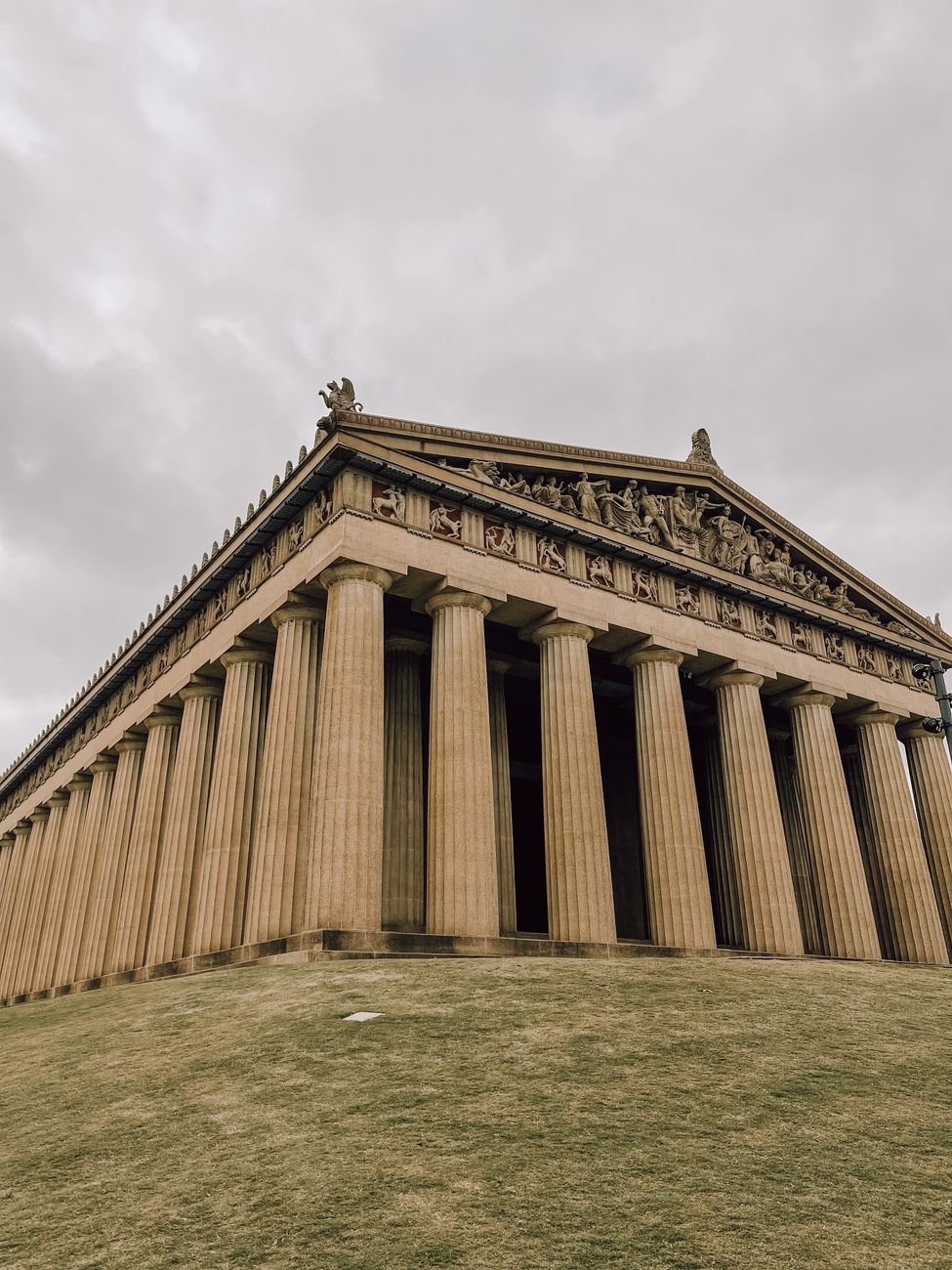
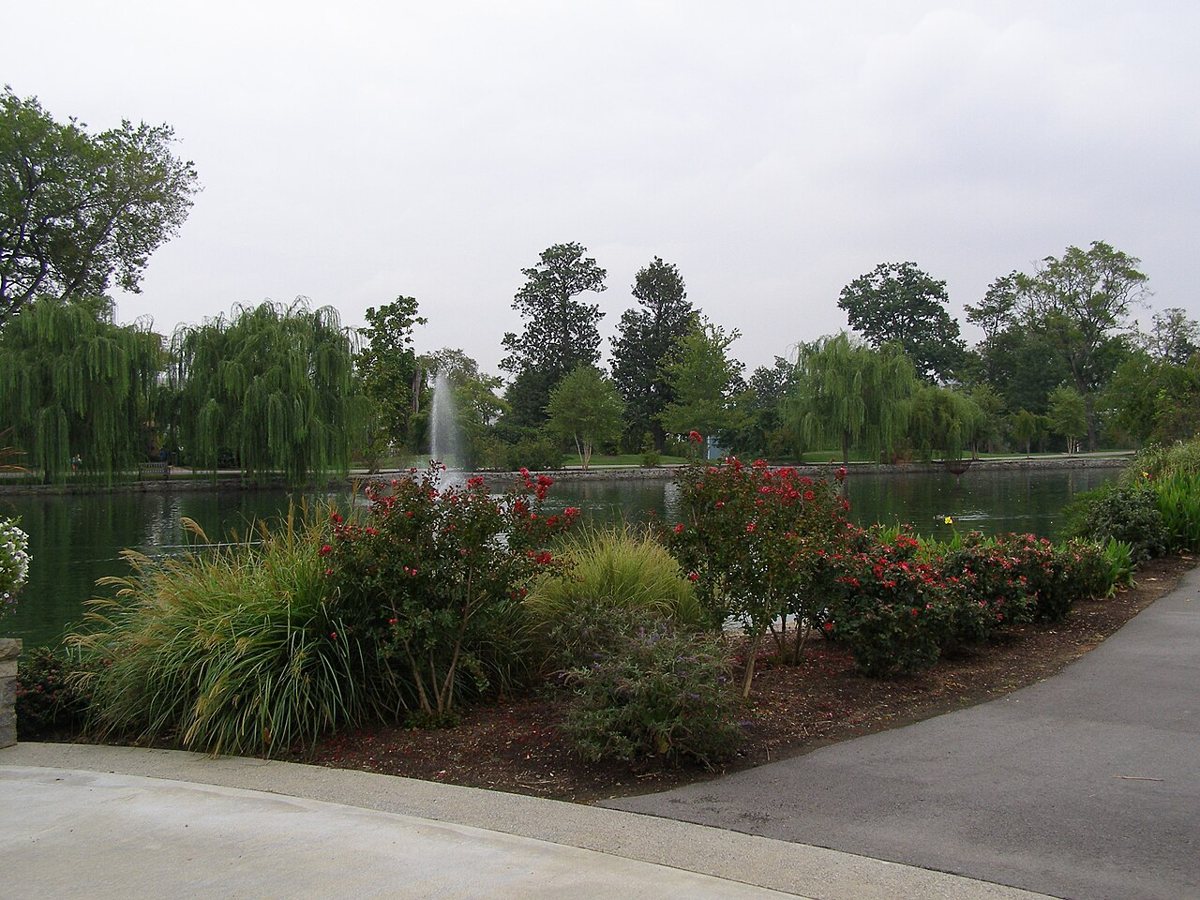
Centennial Park is the one visitor after visitor already has on their list, and it earns the reputation. The full scale replica of the Parthenon anchors the park and houses an art collection inside, but the building is only part of why locals keep coming back. Lake Watauga draws walkers and geese in equal number, the open lawns fill with picnic blankets and frisbees on warm weekends, and the park sits close enough to Vanderbilt and the West End business corridor that it absorbs lunch crowds on weekdays the way few other parks in the city do. Locals treat it as a genuine neighborhood park, not just a tourist stop, and that dual identity is part of what makes it interesting. Runners loop the perimeter path early in the morning before West End traffic picks up. Walk around to the back side of the Parthenon for a quieter view of the building without the crowds that gather out front, and go at golden hour if photos matter, when the columns catch the light.
East Nashville's Parks and Greenways
Shelby Park and Shelby Bottoms Greenway
East Nashville has been a real, lived in neighborhood for generations, and Shelby Park is where that history is most visible. It is not a recent discovery. Families have been coming to Shelby Park for generations, long before East Nashville became a subject of real estate coverage, and the park still functions as the neighborhood's anchor. It runs along the Cumberland River and includes an older public golf course, a dog park, disc golf, a marina area, and access to Shelby Bottoms Greenway, a paved and natural surface trail system that follows the river through wetlands and hardwood forest. Bird watchers use Shelby Bottoms as seriously as runners and cyclists do, since the greenway's wetland sections draw herons, waterfowl, and songbirds through much of the year. The greenway connects into a longer network of paths that eventually links toward downtown, which makes it one of the better options in the city for anyone wanting real mileage without leaving pavement or gravel entirely. A pedestrian bridge over the river near the park connects Shelby Bottoms to the Cumberland River Greenway system on the opposite bank, so a single outing can cover both sides of the water.
Two Rivers Park
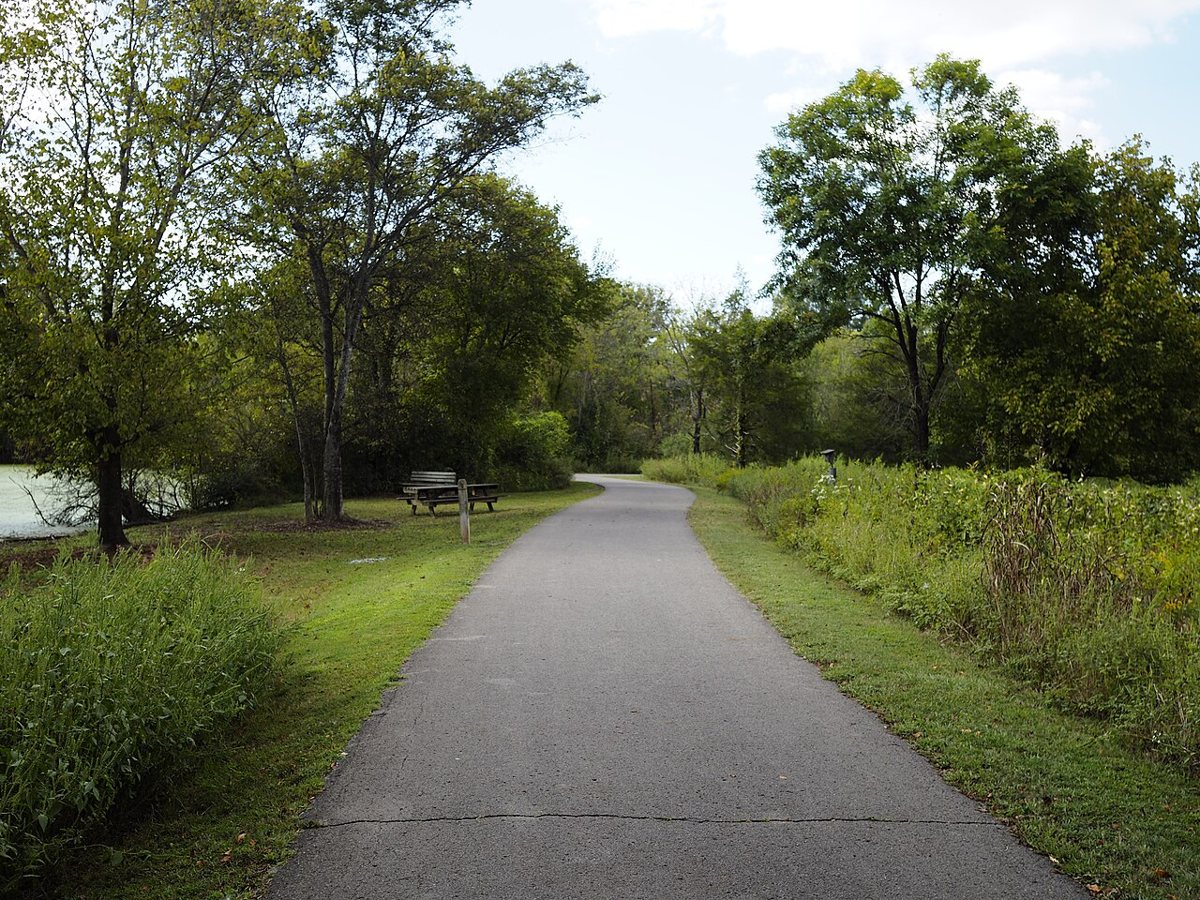
Two Rivers Park sits at the point where the Stones River meets the Cumberland, out past the interstate toward the Opry Mills area, and it feels more spread out and less manicured than the parks closer to downtown. The dog park draws a loyal daily crowd, the open fields host informal sports and the occasional organized league, and the river confluence itself is worth seeking out for anyone who wants to understand the geography that shaped where Nashville grew up around its waterways. It is less photographed than Centennial Park or Cumberland Park, and that works in its favor for people who want space without a crowd. The historic mansion on the property, once part of a working farm, gives the park a different texture than the more urban riverfront spaces downtown, and the grounds around it make for a good slow walk rather than a workout.


Hamilton Creek Park
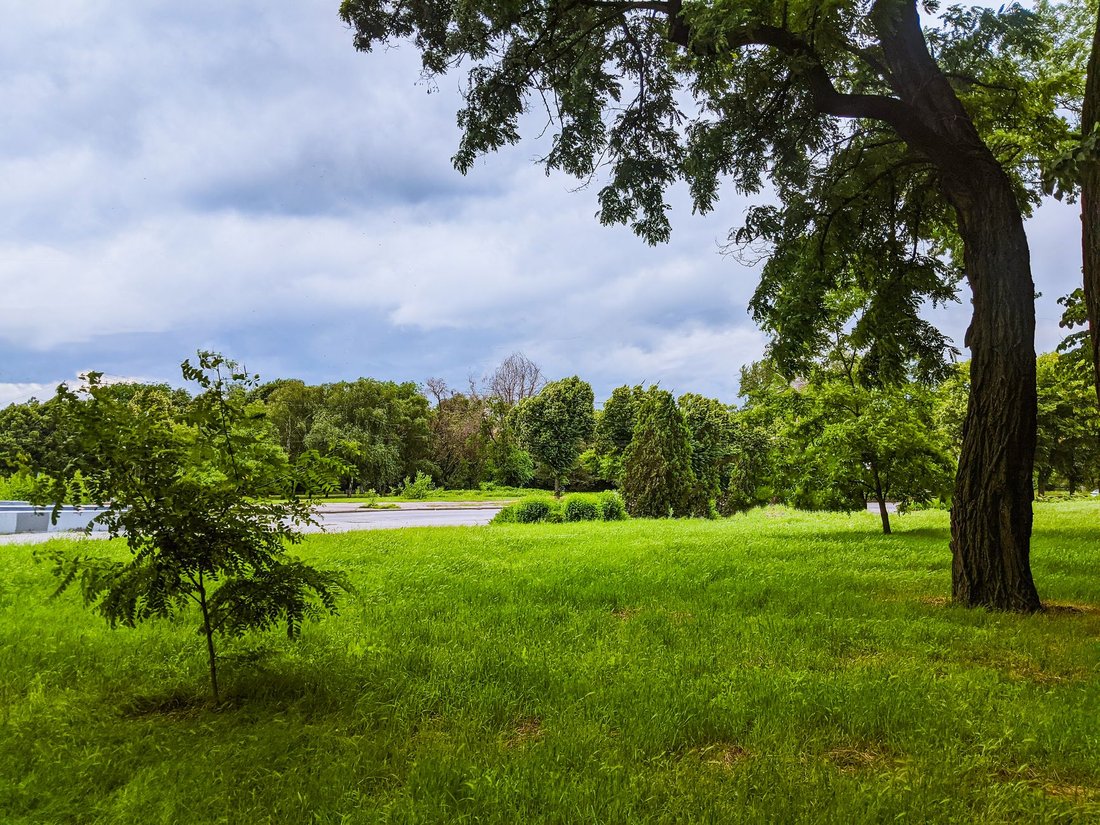
Hamilton Creek Park sits along the shore of Percy Priest Lake on the east side of the county, and mountain bikers know it before almost anyone else does. The trail network here has a real reputation in the regional riding community, with singletrack that winds through hardwood forest close enough to the water that the lake shows up between the trees on the right loop. It also functions as a straightforward lake access point for anyone who wants to launch a kayak or just sit near the water away from downtown traffic. It is a park built for people who already know what they are looking for rather than a casual stop on a sightseeing day. Check trail conditions before heading out after rain, since the singletrack here can get soft and rutted fast.
The Warner Parks and the City's Big Nature
Percy Warner Park and Edwin Warner Park
Percy Warner Park and Edwin Warner Park together form one of the largest municipal park systems of their kind in the country, and the scale genuinely surprises people who expect a city park to mean a few acres of mowed grass. Stone entrance gates and bridges built by WPA crews in the 1930s give the main entrances a formal, almost European feel, and from there the trails fan out across ridges and hollows that feel far more remote than their location minutes from Belle Meade and the West End suggests. Runners train on the steep stone steps near the steeplechase grounds, road cyclists use the park's loop roads on weekend mornings, and the trail network draws hikers who want real elevation change without leaving the county. The Iroquois Steeplechase has run through the park's grounds for generations, and the golf course at Percy Warner draws its own regular crowd separate from the trail users entirely. Edwin Warner, the smaller of the two, has its own trailheads and a nature center that leans toward families and school groups. Park at one of the smaller trailheads on the Edwin Warner side rather than the main entrance on weekends, when the main lot and the steps fill up fast with runners.

Love Circle
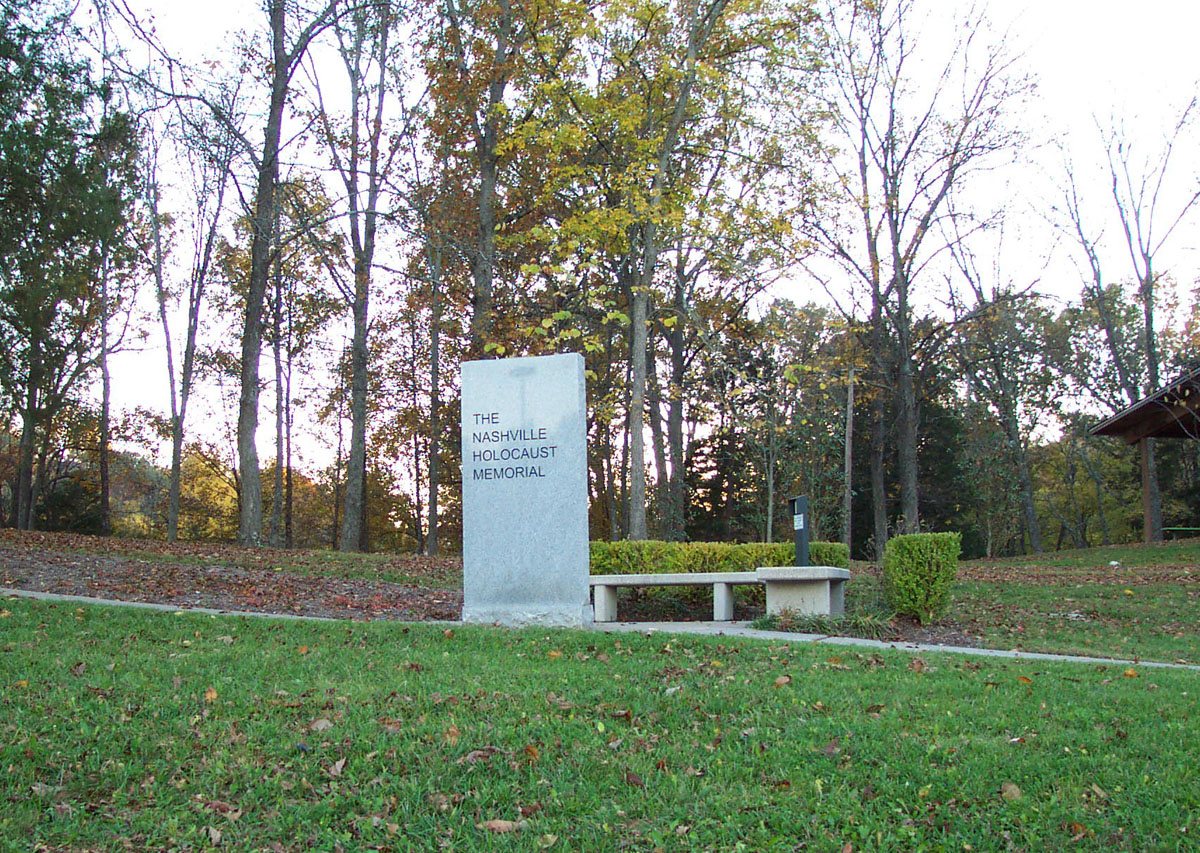
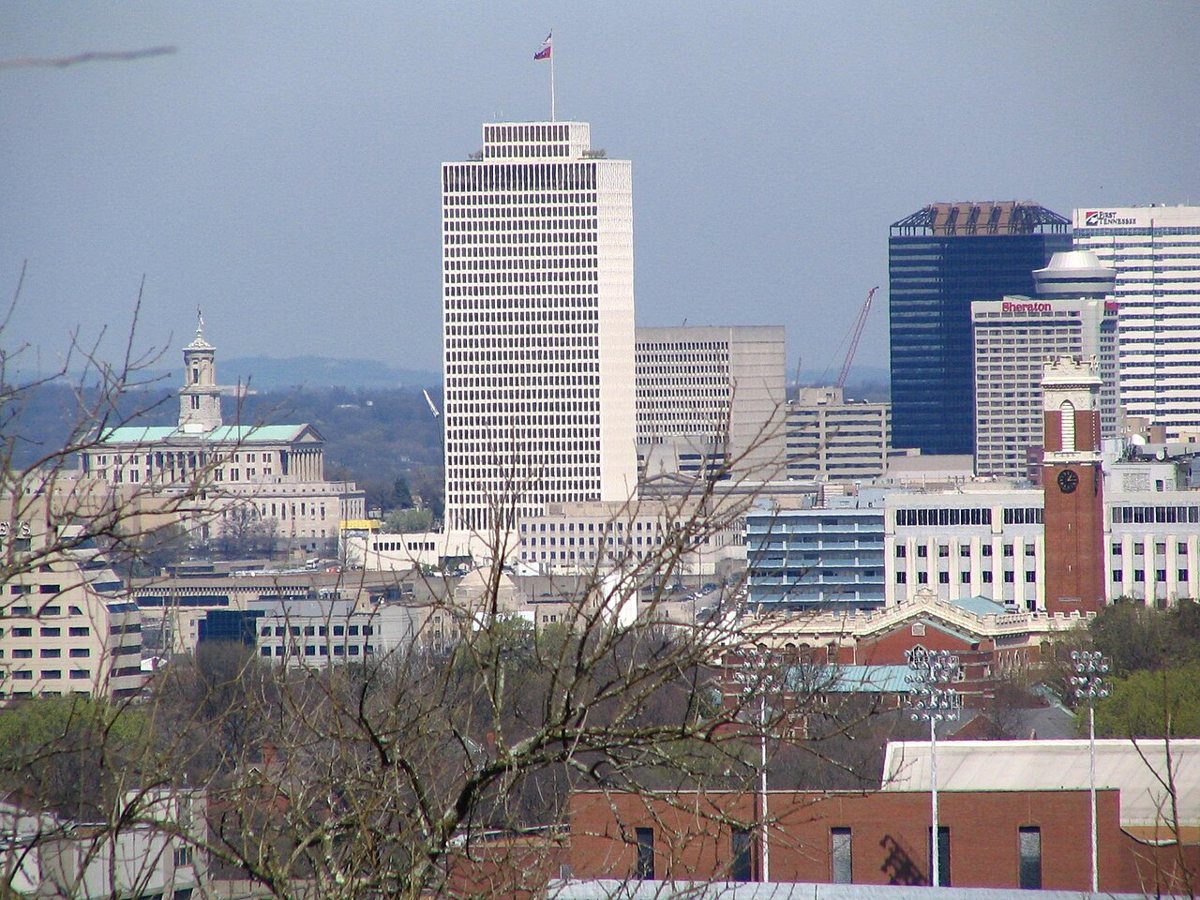
Love Circle is barely a park in the traditional sense. It is a small, grassy hilltop with a circular walking path near Sylvan Park and the West End, and it exists almost entirely for one reason: the view. From the top, the downtown skyline spreads out in full, and the spot has become a genuine local tradition for sunset, with blankets and folding chairs showing up most clear evenings. It is not big enough for a hike and it has none of the amenities of the larger parks on this list, but it belongs here because it captures something true about how Nashvillians actually use green space, which is as much about a quiet view as it is about acreage. It is a short, steep walk up from street parking nearby, and evenings draw the biggest crowds, so an overcast afternoon can mean having the hill mostly to yourself.

Radnor Lake and the State Natural Areas
Radnor Lake State Park
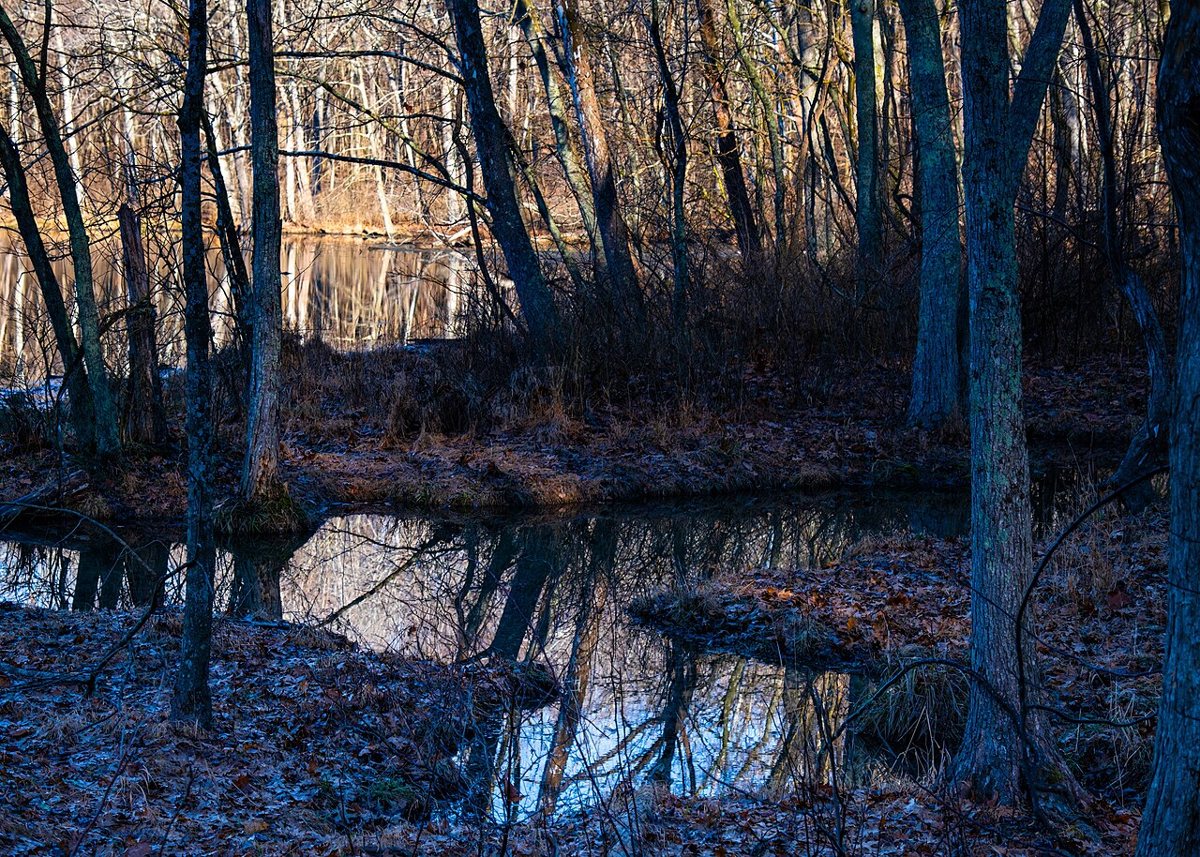
Locals have called Radnor Lake Nashville's Walden for years, and the comparison holds up better than most nicknames do. Radnor is a state natural area, not a conventional park, and the rules reflect that: no pets, no bikes, no jogging with headphones blasting through the quiet. The lake itself sits ringed by forest just south of the city, and the trail system around it draws serious wildlife watchers who come specifically for deer, wild turkey, herons, and the occasional otter along the water's edge. Because the natural area limits activity so deliberately, it stays quieter and wilder feeling than almost anywhere else this close to a major city, and that restraint is exactly the point. Trails range from an easy lakeside walk suitable for almost anyone to steeper ridge routes that get the heart rate up without leaving Davidson County. Wildlife sightings peak at early morning and dusk, and the lakeside trail fills with foot traffic on nice weekend afternoons, so anyone serious about seeing deer or herons should aim for the quieter hours.

Beaman Park
Beaman Park sits out in the rugged country north of the city, past Whites Creek, and it feels like a different Tennessee entirely from the manicured lawns of Centennial Park. It is one of the least developed and least visited natural areas in the Metro Parks system, with steep ridges, hardwood forest, and trails that see a fraction of the foot traffic of Percy Warner or Radnor Lake. That relative obscurity is the appeal for hikers who want real solitude without driving out of the county entirely. The terrain here is genuinely challenging in places, with elevation changes that catch casual walkers off guard. Cell service gets spotty in the interior of the park, so anyone heading out for a longer loop should tell someone their plan and bring a paper map or a downloaded trail app rather than relying on a live signal.
Long Hunter State Park
Long Hunter State Park wraps around a long stretch of Percy Priest Lake east of the city, and it functions as the region's best combination of hiking and swimming in one place. Couchville Lake inside the park offers a smaller, calmer swimming and paddling spot separate from the main lake, with an accessible loop trail around it that works for families and casual walkers. The park's longer trails push through cedar glades, a landscape type rare enough globally that Middle Tennessee's version draws botanists along with hikers. Boat access to Percy Priest Lake itself opens the park up to anyone bringing a kayak or fishing gear rather than just hiking boots. It sits well outside the city, enough to work as a genuine day trip, which makes it a good pairing with the shorter, closer in parks on this list rather than a stop by itself on a tight schedule.
Cheekwood and the Garden Estates
Cheekwood is not a public park in the traditional sense. It is a historic estate, botanical garden, and art museum on the grounds of a former private mansion in the hills west of the city, and it charges admission, which sets it apart from every other entry on this list. It earns its place anyway because no honest guide to green space in Nashville can skip it. The formal gardens shift dramatically by season, from spring bulbs to summer perennial beds to fall color across the estate's wooded acreage, and the mansion itself houses rotating art exhibitions alongside its permanent collection. Sculpture is scattered across the grounds in a way that rewards slow walking rather than a quick loop. It is the pick for anyone who wants a garden experience closer to a botanical destination than a casual afternoon in the grass, and it works especially well paired with a quieter, free park earlier or later the same day. The walking trails through the wooded sections of the property get overlooked by visitors who stick to the formal gardens near the mansion, and they are worth the extra time.

The Greenways That Tie the City Together
Nashville's greenway system does not always get credit as parkland, but it functions as the connective tissue between almost everything on this list. The Cumberland River Greenway runs along both banks of the river through downtown and beyond, linking riverfront access points, Two Rivers Park, and neighborhoods on both sides of the water into a single paved corridor for walking, running, and cycling. Shelby Bottoms Greenway feeds into this same broader network from the East Nashville side. None of it charges admission, none of it closes at a set hour the way a museum does, and all of it works as well for a serious training run as it does for a slow evening walk with a dog. For anyone planning a weekend outdoors rather than a single park visit, stringing together a few miles of greenway is often a better use of a free morning than picking just one destination. Greenway maps are worth checking before setting out, since access points and parking areas are not always obvious from the trail itself, especially where the path crosses under highways or through industrial stretches near the river.
Practical Notes on Parking, Timing, and What's Free
A few things are worth knowing before heading out to any of the parks above.
- Most Metro Parks properties, including Centennial Park, Shelby Park, Percy Warner, Edwin Warner, and Two Rivers Park, are free to enter and use.
- Radnor Lake and the other state natural areas do not allow pets, bikes, or jogging strollers on the trails, and that rule gets enforced.
- Cheekwood charges admission since it operates as a nonprofit garden and museum rather than a public park.
- Parking at Percy Warner's main entrance and the Radnor Lake main lot fills up fast on nice weekend mornings, so arriving early or choosing a secondary trailhead helps.
- Greenway access points are scattered throughout the city, and checking a current trail map before setting out saves time, since not every entrance has clear signage from the road.
- Weekday mornings and early evenings tend to be quieter across almost every park on this list, while weekend midday hours draw the biggest crowds.
A City Bigger Than Its Postcard
Nashville's tourism identity leans hard on one image: boots, neon, and a guitar on every corner of Lower Broad. That image is not wrong, exactly. It is just incomplete, and the parks are where the rest of the city shows up. Percy Warner fills with people training for the steeplechase and people training for nothing at all. Shelby Park has held East Nashville together through decades of change the neighborhood did not always ask for. Radnor Lake keeps its wildlife wild by refusing to compromise on its own rules. Fort Negley makes visitors reckon with a harder history than any brochure mentions. None of these places need Broadway's neon to justify themselves, and most of the people using them on a given Tuesday morning are not visitors at all. They are the musicians between gigs, the nurses coming off shift, the retired teachers who have walked the same loop for twenty years, the families who have never known East Nashville as anything but home. The best parks in Nashville are not a checklist item squeezed between two shows on a bachelorette weekend. They are proof that the city functions as a real place first, with real people who need somewhere quiet, and a tourist destination second. For anyone looking past Lower Broad, that is where to find longer trails nearby and the quieter version of the city that locals actually live in.