Best Museums in Nashville You Shouldn't Miss
From the Parthenon's forty-foot Athena to a former bread bakery full of strange European cars, a local's guide to the museums that tell the whole story of Nashville, not just the guitar version.
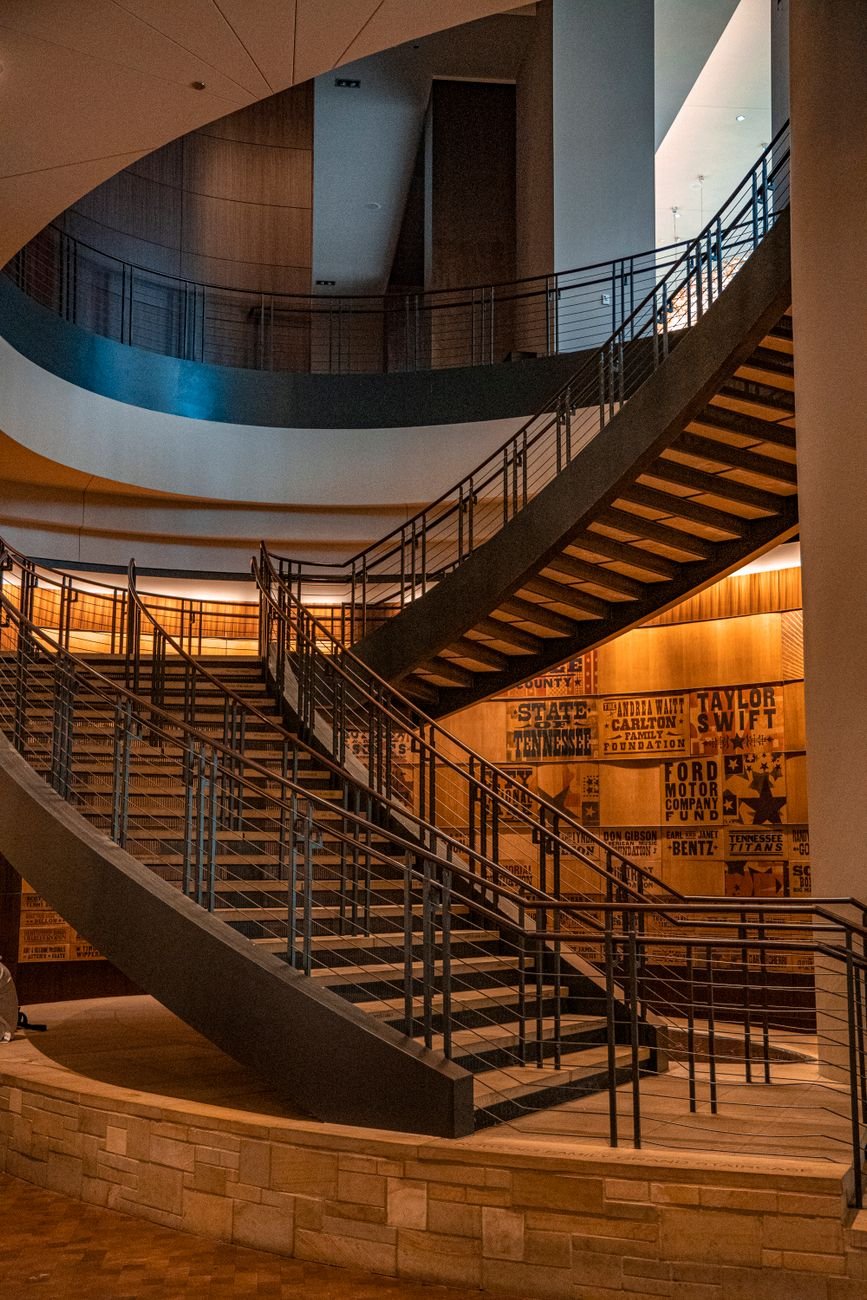
Stand at the foot of Athena inside the Parthenon in Centennial Park and the first thing you register is scale. The gilded statue rises roughly forty feet, a hush settles over whatever school group is craning up at her, and just outside the columns a dog walker crosses the lawn without a second glance. A full-scale Greek temple in a Tennessee park stopped seeming strange to locals a long time ago. Search for best museums in nashville and you will get lists that skip straight to the guitars. This one starts here on purpose.
Guitars matter, and the music museums below are among the finest anywhere. But the city that Lower Broad advertises is only half the picture. Healthcare is one of the biggest employers in town, with Vanderbilt and HCA setting the rhythm of whole neighborhoods. Fisk University has held a serious art collection for generations. Families in East Nashville and Sylvan Park need a rainy Saturday plan that does not involve a bar. The museums reflect all of that. Some are loud and some are nearly monastic, while a few are free or close to it.
What follows is organized by mood rather than by alphabet: music first, then art, then history, then the science and the stranger corners. Pair any of it with a full day out in the city and you will have a better weekend than the one on the billboard.
The Best Museums in Nashville for Music Lovers
Music is the reason most visitors come, and the city's music museums are better than the souvenir economy around them suggests. Each one tells a different story, and the stories overlap in ways that reward seeing more than one.
Country Music Hall of Fame and Museum
Start with the obvious one, because it earns its reputation. The Country Music Hall of Fame and Museum sits downtown, a short walk from Bridgestone Arena, in a building whose design nods to piano keys and the tail fins of a 1950s Cadillac. Inside, it treats country as a working American art form rather than a costume. Expect gold records, hand-stitched stage clothes, instruments with the finish rubbed off where a thumb rested for decades, and Elvis Presley's gold-trimmed Cadillac parked as if it were just another artifact.
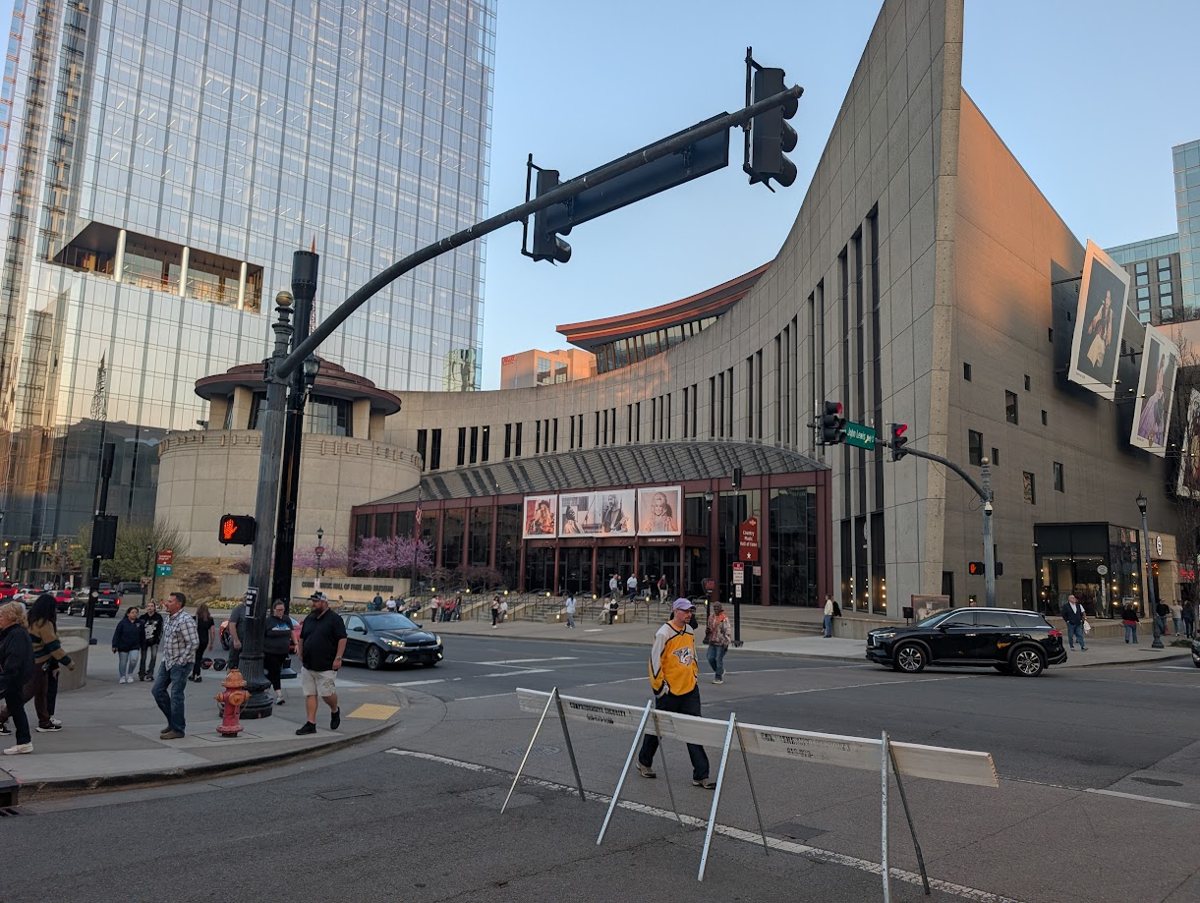

Give it a real half day. The core galleries run in chronological order, and the best moments are the small ones: a songwriter's handwritten lyric sheet with crossed-out lines, a recording-session photo that shows how few people it took to make a record that changed everything. The building also houses the working letterpress shop Hatch Show Print, which has been turning out the posters that define Nashville's visual language, and the Hall of Fame has long been the departure point for tours of RCA Studio B, so confirm current tour availability when you plan. Go on a weekday morning, take the elevator up, and work your way down; the flow makes more sense that way, and you will be ahead of the tour groups.
National Museum of African American Music
Downtown on Fifth Avenue North, within sight of the Ryman, the National Museum of African American Music makes an argument that Nashville has sometimes been slow to make out loud: that gospel, blues, jazz, R&B, rock and hip-hop are branches of one family tree, and that the family is Black. The galleries are organized by genre, and the museum gives real room to Nashville's own part in the story, including the Fisk Jubilee Singers, who carried spirituals from a campus a few miles away to audiences across the world.
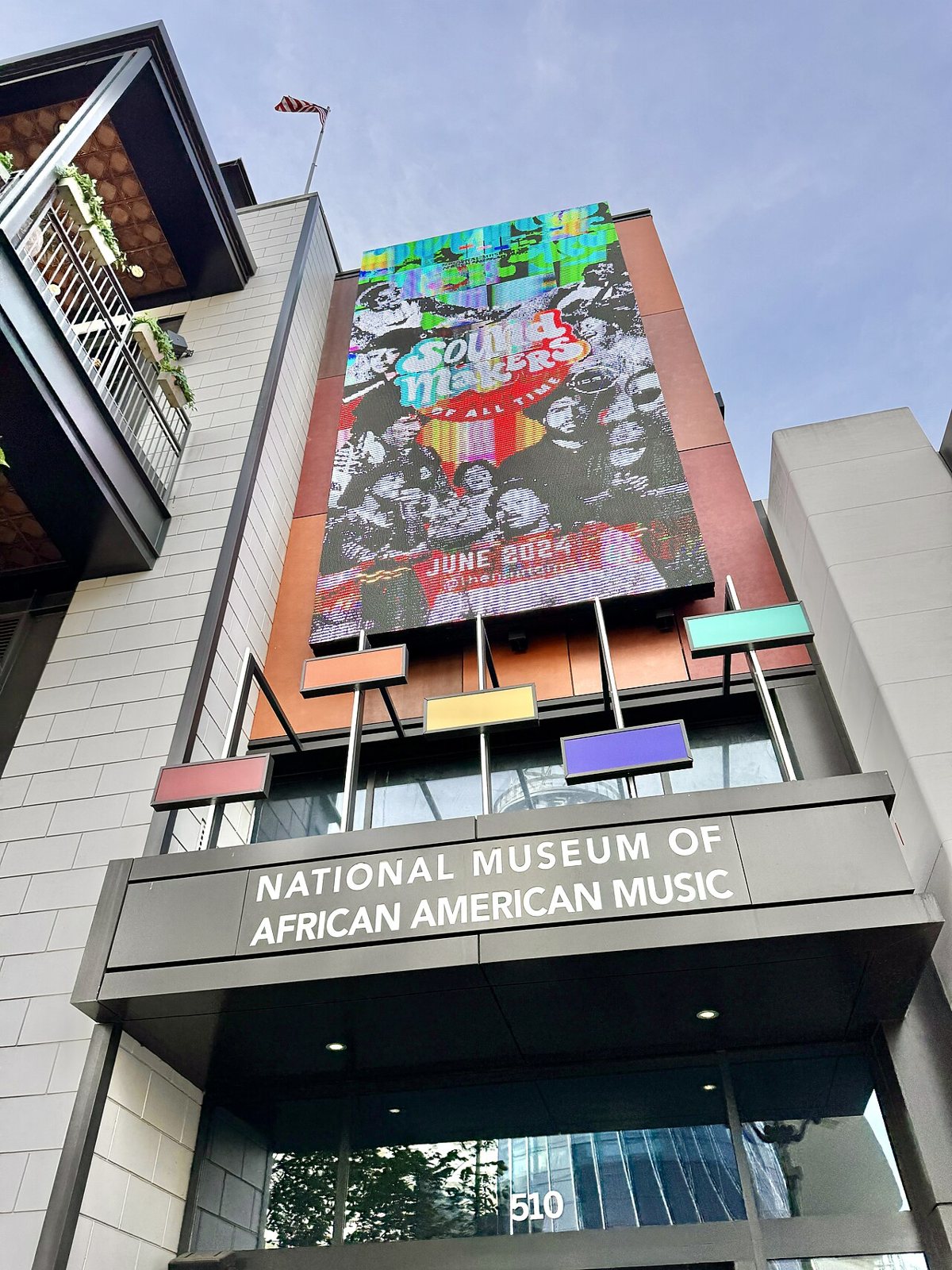

This is the most hands-on of the music museums. Interactive stations let you try your hand at the rhythms and arrangements you have just been reading about, and visitors who expect to skim tend to stay far longer than they planned. Plan on a couple of hours. Reserve ahead if you are coming on a weekend, and pair it with a look at the Ryman next door. Standing in the neighborhood where the music was made, then walking into a museum that explains who made it, is a better lesson than any plaque.
Johnny Cash Museum
A few steps off Lower Broad, the Johnny Cash Museum is the opposite of the Hall of Fame in scale and the equal of it in feeling. It grew out of one devoted collector's enormous trove of Cash memorabilia, and it shows the man at every stage, from the Arkansas cotton fields to the prison stages that made his reputation. There are handwritten lyrics, stage clothes, instruments, and the kind of personal ephemera that makes a legend feel like someone you could have met.
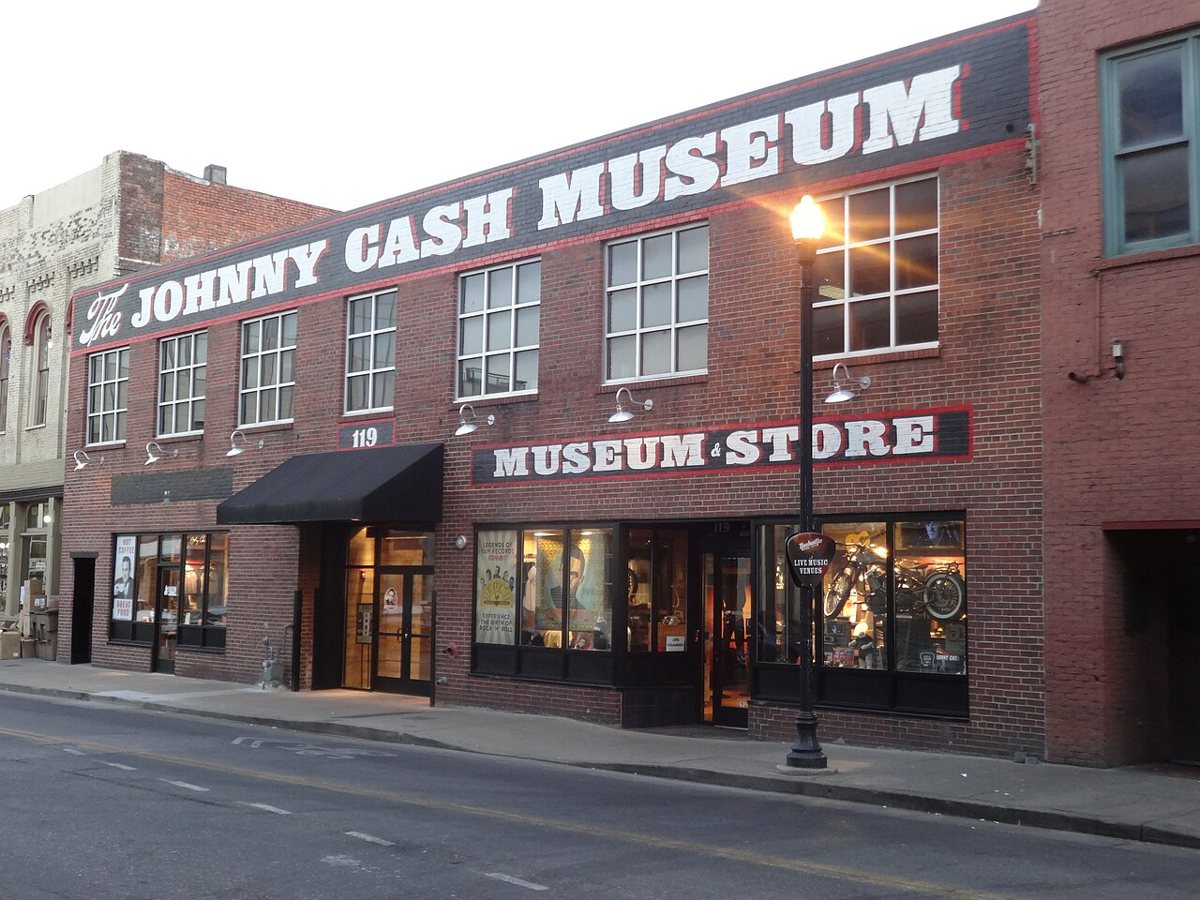

It is compact, so an hour is plenty, and the small size is part of the charm. Read the material on his prison concerts slowly; it is the emotional center of the place. A better plan is to arrive early, before the Broadway crowd thickens, and ask whether a combination ticket with the museum upstairs is currently offered.
Patsy Cline Museum
Upstairs from the Cash museum, in the same building, the Patsy Cline Museum tells a shorter and sadder story with great tenderness. Cline's career was brief, and her voice outlasted nearly everything else about it. The museum shows her through personal belongings and photographs, along with the memories of people who knew her, so it reads less like a trophy case and more like a scrapbook kept by family.
Budget about forty-five minutes. Visitors who come only for the famous songs often leave surprised by how ordinary and funny she seems in the details, and how driven. Worth knowing: it lands better after the Cash museum than before, because the two together make a tidy pair of portraits, one about endurance and the other about what was lost.
Ryman Auditorium
The Ryman is a venue first and a museum second, but no list of the best museums in nashville feels honest without it. A former tabernacle with hard wooden pews and stained glass, it is where the Grand Ole Opry lived for decades, and the building itself is the exhibit. Daytime tours take you backstage and onto the stage, where the acoustics explain why performers describe it with something close to reverence.
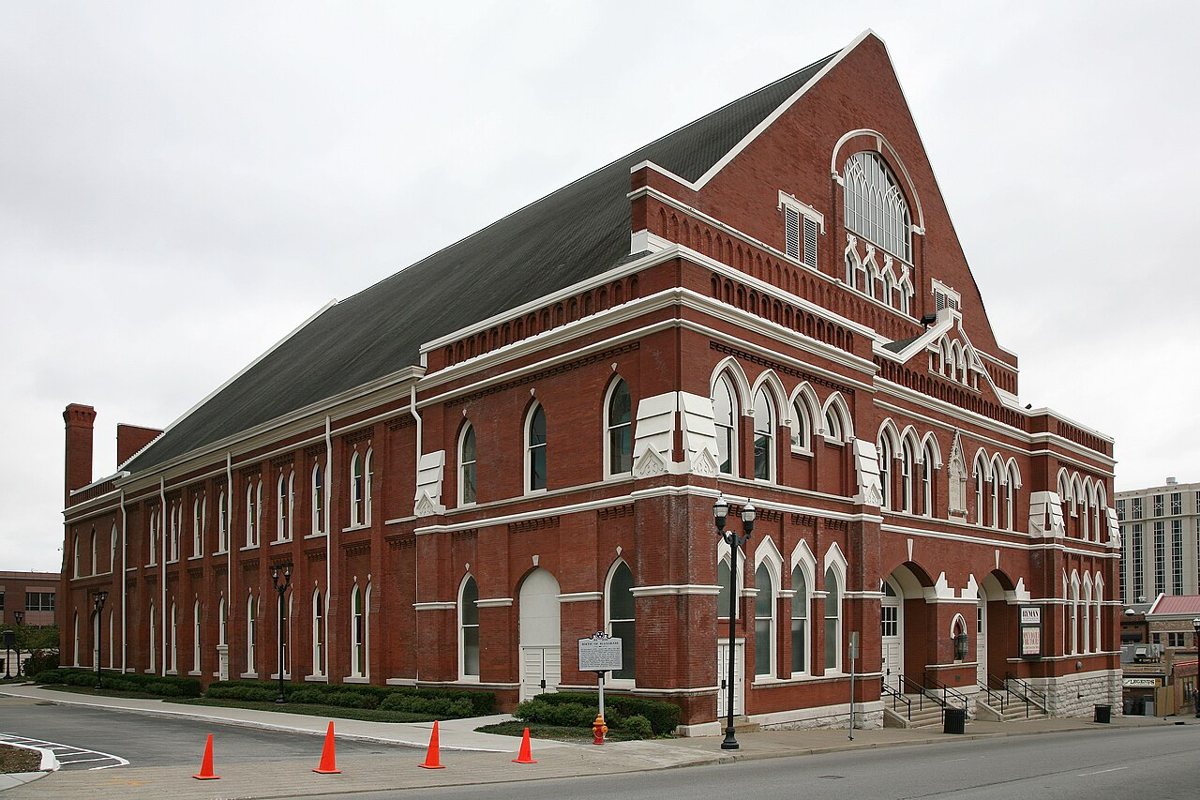

Take the tour if you cannot catch a show, and sit in a pew for a minute even if nobody is playing. If you can see a concert, do that instead. A band in that room, with that wood around it, is the closest thing the city has to a cathedral service. The neighborhood around the Ryman is packed on weekend nights, so a weekday daytime visit is calmer and easier to park for.
Art Museums and Galleries
The art scene here is quieter than the music scene and, in some ways, more rewarding. You can see world-class traveling exhibitions in an Art Deco landmark and wander a Gilded Age-style estate, then drive to a gallery district built in old warehouses.
Frist Art Museum
The Frist Art Museum occupies the old downtown post office, a polished Art Deco building that is worth a look before you even reach the art. It has no permanent collection of its own, which sounds like a limitation until you realize it means every visit brings something different, with major international loans one season and contemporary work the next, and the curators tend to choose shows with a point of view. Look at the current lineup before you go, since the quality of the visit depends on what is showing.
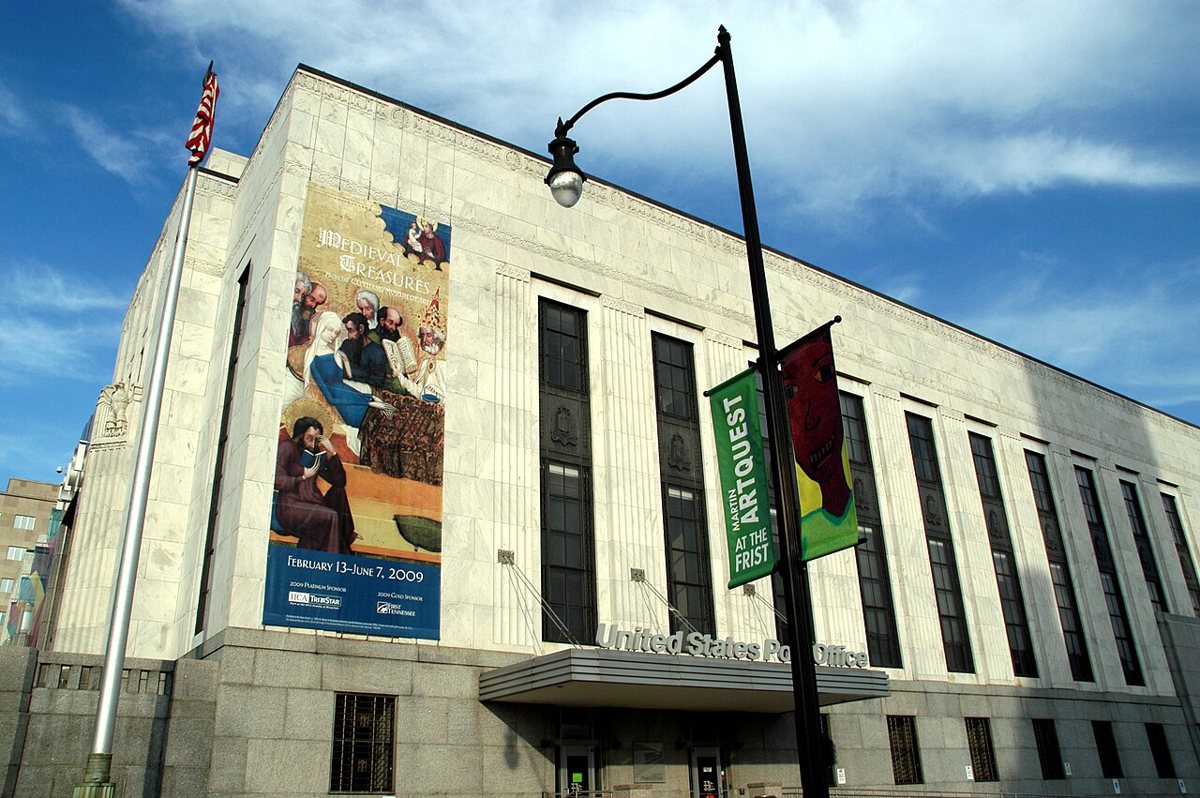

Most visitors need an hour or two. Families should find the interactive studio space built for kids and parents to make their own art, a welcome break after the quieter galleries. The building is a short ride from the heart of downtown, so it slots in neatly between a morning at the Hall of Fame and lunch. Hours and any free-admission days vary, so look them up before you go; local residents often have options worth asking about.
Cheekwood Estate and Gardens
On the west side of town, Cheekwood is the museum you visit when you want to leave the city without leaving the county. The Georgian-style mansion was built for Leslie Cheek and Mabel Wood Cheek, whose family fortune came from Maxwell House coffee, and it now houses art and decorative collections. The real draw is the grounds, a sprawl of botanical gardens and sculpture, plus walking paths that change with the season.

This is a half-day outing, and the gardens reward slow walking, so wear comfortable shoes. Spring and fall tend to be the most photogenic stretches, though the place is lovely in any season. If you can, go on a weekday. On busy weekends the parking and paths fill up, and the quiet that makes Cheekwood special is the first thing to go.
Fisk University Galleries
Fisk, one of the country's historically Black universities, holds an art collection that surprises first-time visitors. The Stieglitz Collection of Modern Art, which includes works by Georgia O'Keeffe, came to the campus as a gift, and the university's galleries have long shown both that collection and work by Black artists. The campus itself, with Jubilee Hall rising over a hillside, is part of the experience.
Gallery hours here are more limited than at the big downtown institutions, so check the university's current schedule or call ahead before making the trip. It is a short drive from downtown and pairs naturally with the National Museum of African American Music, since the Jubilee Singers connect the two stories. Treat it as a small, specific, thoughtful stop rather than a full-day destination.
The Wedgewood-Houston gallery scene
Not every art stop in Nashville is a museum, and Wedgewood-Houston, known as WeHo, is the proof. Converted warehouses and former industrial spaces south of downtown now hold a cluster of independent galleries and artist-run rooms, with openings that draw the creative class out on weeknights. It is more casual than the Frist and less polished than Cheekwood, which is the appeal. Walk it on a gallery night if you can, then eat nearby. The neighborhood has changed quickly, but it still feels like a place where working artists are the point.
History Museums Worth the Drive
Nashville's history is not a single story, and the best institutions here do not pretend it is. They run from statehood through slavery and the Civil War, then on to civil rights and what came after.
Tennessee State Museum
The Tennessee State Museum is the clearest overview of the state's story, and it is usually free to enter, which makes it one of the best bargains in town. It sits near the Bicentennial Capitol Mall and the Nashville Farmers' Market, and its galleries move from prehistory and frontier settlement through the Civil War and Reconstruction to the long fight over voting rights, including Tennessee's decisive role in ratifying the Nineteenth Amendment.
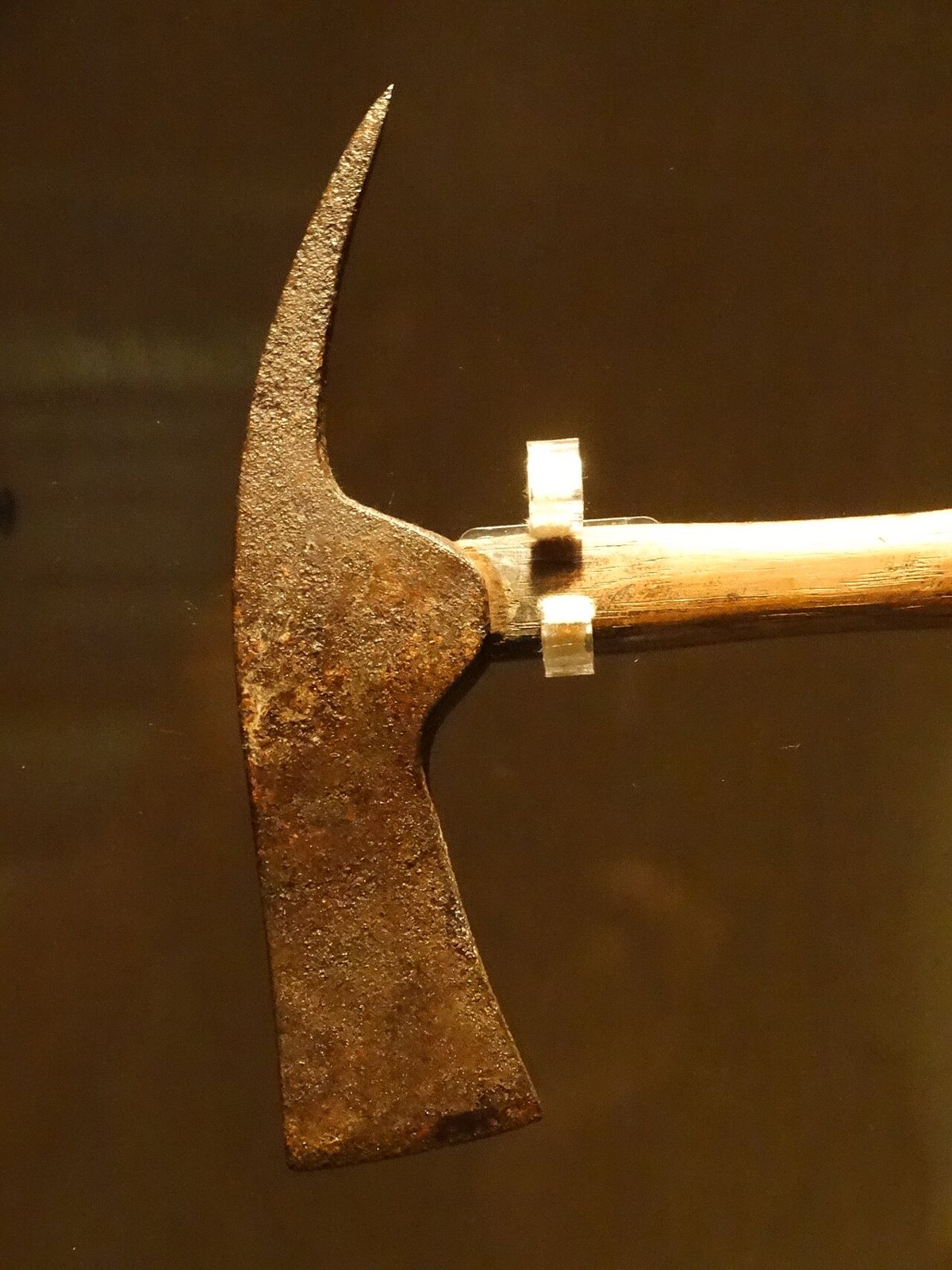

Give it a couple of hours. The museum does a good job putting objects in context, so a quilt or a handwritten letter becomes a window into whole communities. Pair it with lunch at the Farmers' Market next door, or save room for a plate of hot chicken afterward, since Prince's gave the city that dish and Nashville has been arguing about it ever since. Current hours and special exhibitions are worth a quick look online before you head over.
The Hermitage
Andrew Jackson's home, a drive east of downtown, is among the most important and most complicated sites in the region. The house and grounds are beautifully preserved, but the best tours do not treat Jackson as a hero in marble. They tell the story of the people he enslaved, and the work of the property's historians has put those lives at the center rather than the margin.
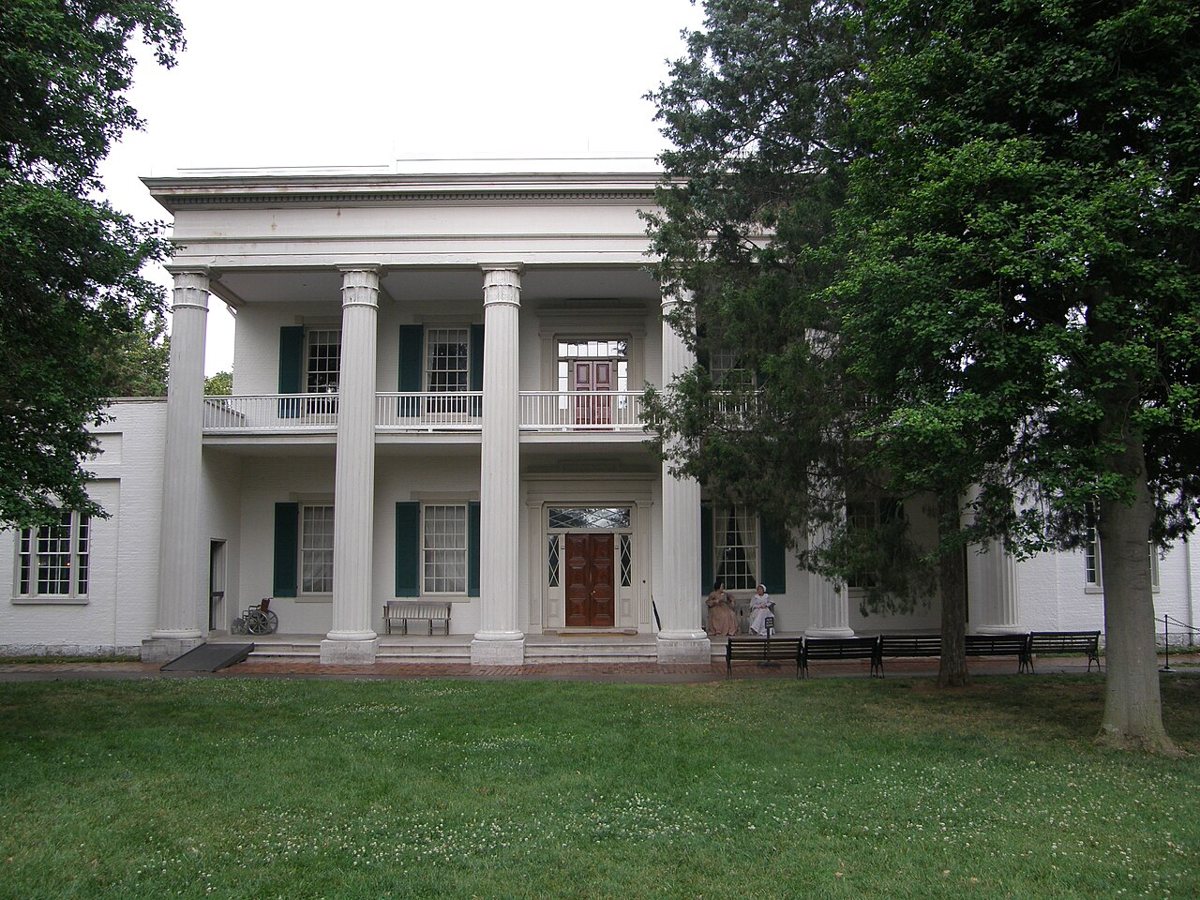

Plan two to three hours, and wear shoes you can walk in, because the grounds are large. Go in the morning, when the light is best and the crowds thinner. Take the tour that includes the history of enslaved families, and give it your full attention. It is the part of the visit that most changes how you understand the house.
The Parthenon
Return to Centennial Park, where this guide began. The Parthenon was built for a world's fair-style exposition and kept because Nashvillians could not bear to tear it down, and the replica is as faithful as anyone could make it. Inside, Alan LeQuire's towering Athena, with a gilded Nike held in her outstretched hand, is the main event, and the lower level houses a gallery of American paintings from the Cowan collection.
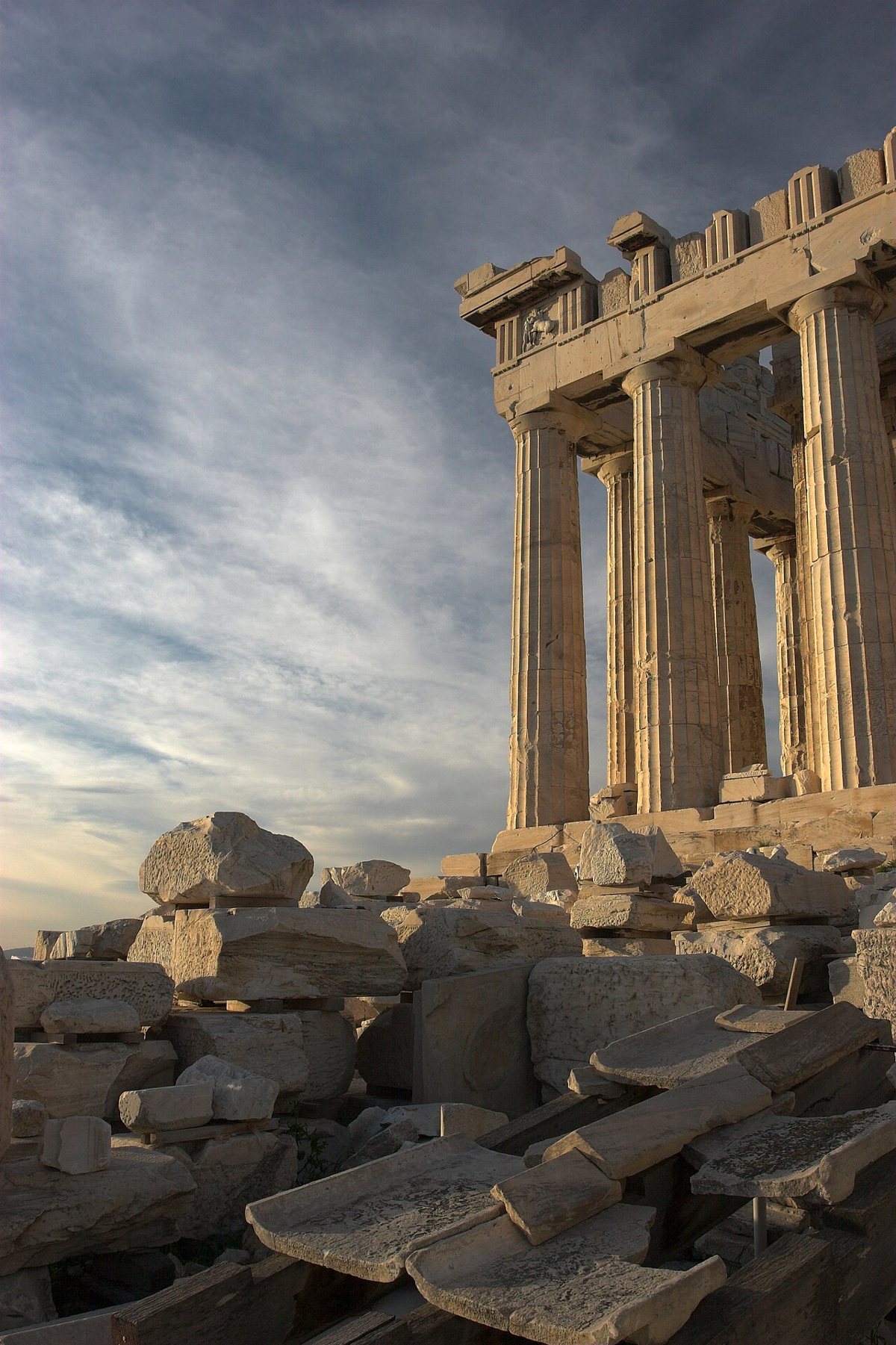

The park itself is free to wander, and on a nice day it is a pleasure on its own, with a lake and shade trees, plus the occasional pickup game. Ticketing for the interior varies, so look it up in advance. Visit late in the day, when the light on the columns makes the building look closer to the real thing, then walk the park to decompress.
Smaller history stops
Two more are worth knowing. The Civil Rights Room at the downtown public library is usually free and documents the Nashville student sit-ins of 1960, a nonviolent campaign led by young people who would go on to shape the country. Fort Negley, near the Adventure Science Center, is a Union fort built largely by Black laborers, and its visitor center explains why that matters. Neither takes long, and both deserve more attention than they get.
Science and the Delightfully Strange
The last stops are the ones locals recommend with a grin: one for kids and anyone who remembers being one, and one for people who think cars are art.
Adventure Science Center
On the hill near Fort Negley, the Adventure Science Center is Nashville's go-to for families, and it is an especially useful resource for anyone in town for a hospital visit or a Vanderbilt appointment who needs somewhere for children to burn off energy. Hands-on exhibits cover physics, space, the human body and engineering, and the Sudekum Planetarium offers sky shows that run on a regular schedule.


Plan two to three hours, more with younger kids. On arrival, look at the schedule for planetarium shows and build the visit around them, and aim for a weekday afternoon, when school groups have usually cleared out. Combine it with a walk through Fort Negley next door and you have a surprisingly full day.
Lane Motor Museum
Housed in a former bread bakery south of downtown, the Lane Motor Museum is a collection of the strange and the beautiful, mostly European cars you will not see anywhere else in America. Think tiny microcars, rear-engine oddities, amphibious vehicles and engineering experiments that never found a market. You do not need to care about cars to enjoy it; you only need to enjoy something that is plainly someone's life's passion.
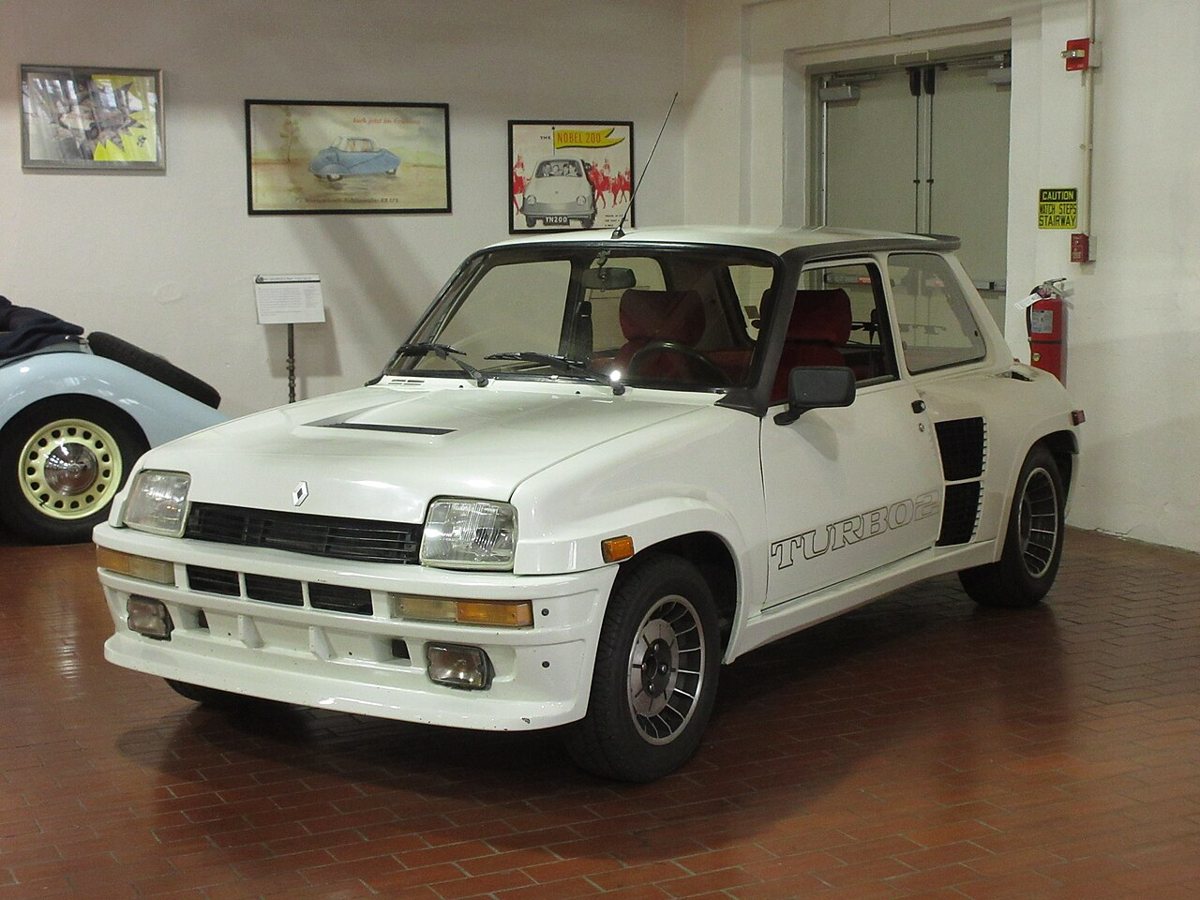

Allow a couple of hours. Ask staff about any scheduled days when vehicles are driven, since a car in motion is a different experience from one on display. It is also one of the few museums in town where a wandering teenager is likely to look up from a phone and ask a real question.
Practical Notes: Getting Around, Timing and What's Free
- The downtown cluster is walkable. The Country Music Hall of Fame, the National Museum of African American Music, the Ryman, the Johnny Cash and Patsy Cline museums, and the Frist are all within a manageable stroll of one another.
- Cheekwood, the Hermitage, the Lane Motor Museum and the Parthenon are easier by car or rideshare, and parking is usually simpler outside downtown.
- Weekday mornings are the sweet spot nearly everywhere. Weekends and summer afternoons fill up quickly, especially downtown.
- Many museums close one day a week, often a Monday or Tuesday, and hours change seasonally, so check each website before you go.
- The Tennessee State Museum and the library's Civil Rights Room are usually free, and the park around the Parthenon is free to walk. Ask about local-resident and student discounts at paid museums.
- Do not try to do more than two major museums in a day. The best experiences here reward lingering.
The Point of View
Visitors tend to arrive with a script. They want a honky-tonk and a hot chicken sandwich, with a guitar behind glass, and Nashville will sell them all of it. The better move is to treat the museums as a corrective. The Country Music Hall of Fame is the headline, but the National Museum of African American Music and the Tennessee State Museum, along with the Hermitage, are the ones that complicate the story in the right way, showing who built the music and the state, and who was left out of the first telling.
If you have only a day, pick one music museum and one history museum, then add a place with no agenda, such as Cheekwood or the Parthenon lawn. Skip the checklist. A city this layered rewards the visitor who asks a second question, and the best museums in Nashville are the ones that make you ask it.