Things to Do in the Gulch, Block by Block
The Gulch sells itself as Nashville's shiniest neighborhood, and locals keep coming back anyway for the bluegrass, the murals, and the patios.
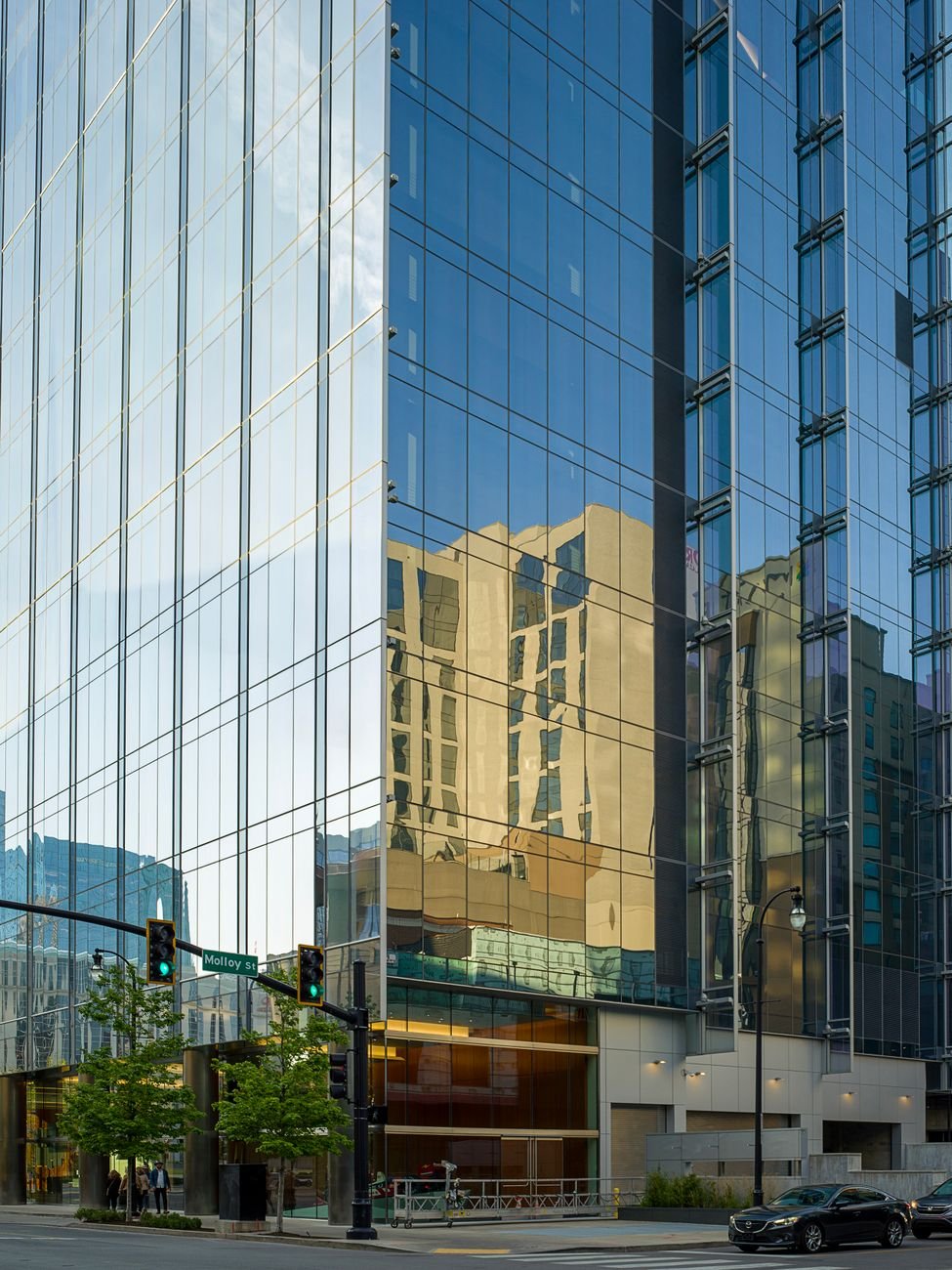
Walk south from Broadway on a weeknight and the noise falls away fast. Where Lower Broad throws neon and pedal taverns at you, the Gulch offers something quieter: glass condo towers stacked over old rail warehouses, string lights over sidewalk tables, murals painted across brick that used to hold freight instead of fondue. The honest list of things to do in the Gulch has to hold two truths at once. It's polished, sometimes to the point of feeling like an outdoor shopping mall with better lighting. It's also walkable and dense, packed with real reasons to spend an afternoon or an entire evening here.
This was rail yard land for a century, the actual low-lying cut that gave the district its name, where freight lines once ran through downtown Nashville. The last two decades turned it into the city's first real experiment in dense infill: no yards, no driveways, just towers and mixed-use blocks built on purpose, block by block. Locals have opinions about that. Some find it sterile, built for people who moved here in the last five years rather than the ones who've been here thirty. Others just treat it as a solid excuse to eat well and catch good music without fighting a bachelorette parade for sidewalk space. Both takes are fair. Here's how to work through the Gulch properly.
The Music Block: Station Inn and a Different Nashville Sound
Long before the condos went up, the Station Inn was already here, a squat brick building that has hosted serious bluegrass and acoustic music since the 1970s. It predates the Gulch's redevelopment by decades, which is part of what makes it matter. Pickers who tour the world still stop through for informal sets, and the room runs on folding chairs and a listening-room hush rather than a light show. Come here if you want proof that Nashville's music identity runs deeper than what plays on Lower Broad. Shows happen most nights, and the crowd is a mix of tourists who did their homework and musicians catching a set before their own gig somewhere else downtown. The insider move is to skip dinner reservations and just show up early, since the room is small and seating is first-come.
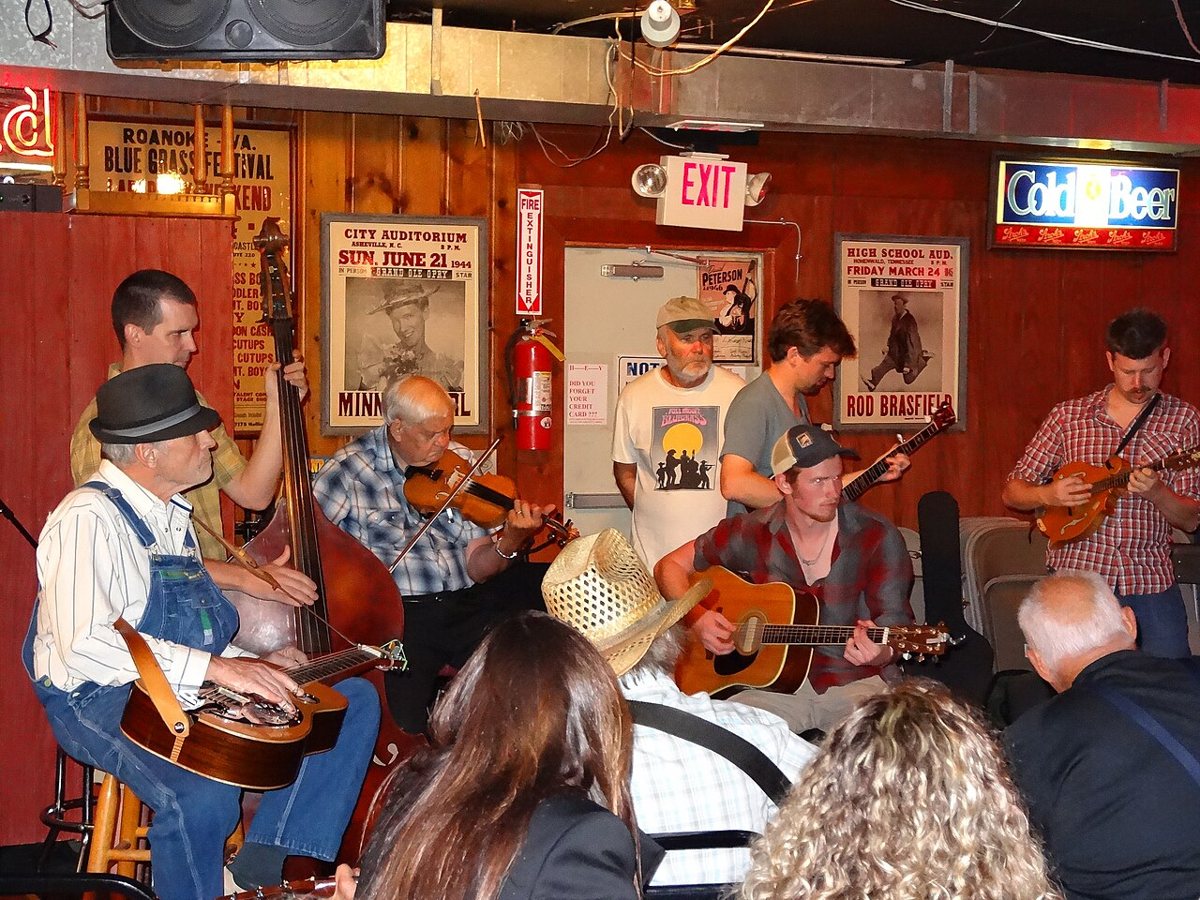

The Gulch has picked up a handful of other listening rooms and event spaces in the years since, tucked into ground floors of the newer buildings, but Station Inn remains the anchor. If you only do one thing in this neighborhood after dark, sit through a set here rather than a rooftop happy hour.
The Mural Mile: Street Art Across the District
Kelsey Montague's angel-wings mural, known as What Lifts You, has become one of the best-known walls in Nashville, and it sits right in the Gulch on the side of a building along a well-trafficked corridor. The wings work because they're simple: stand in front of them, someone takes your photo, you look briefly like you've sprouted your own set. It reads as a tourist stop, and it is one, but it's also a genuine piece of public art that locals still detour past. Go early on a weekday if you want the wall to yourself for more than thirty seconds, since a line forms most weekend afternoons.
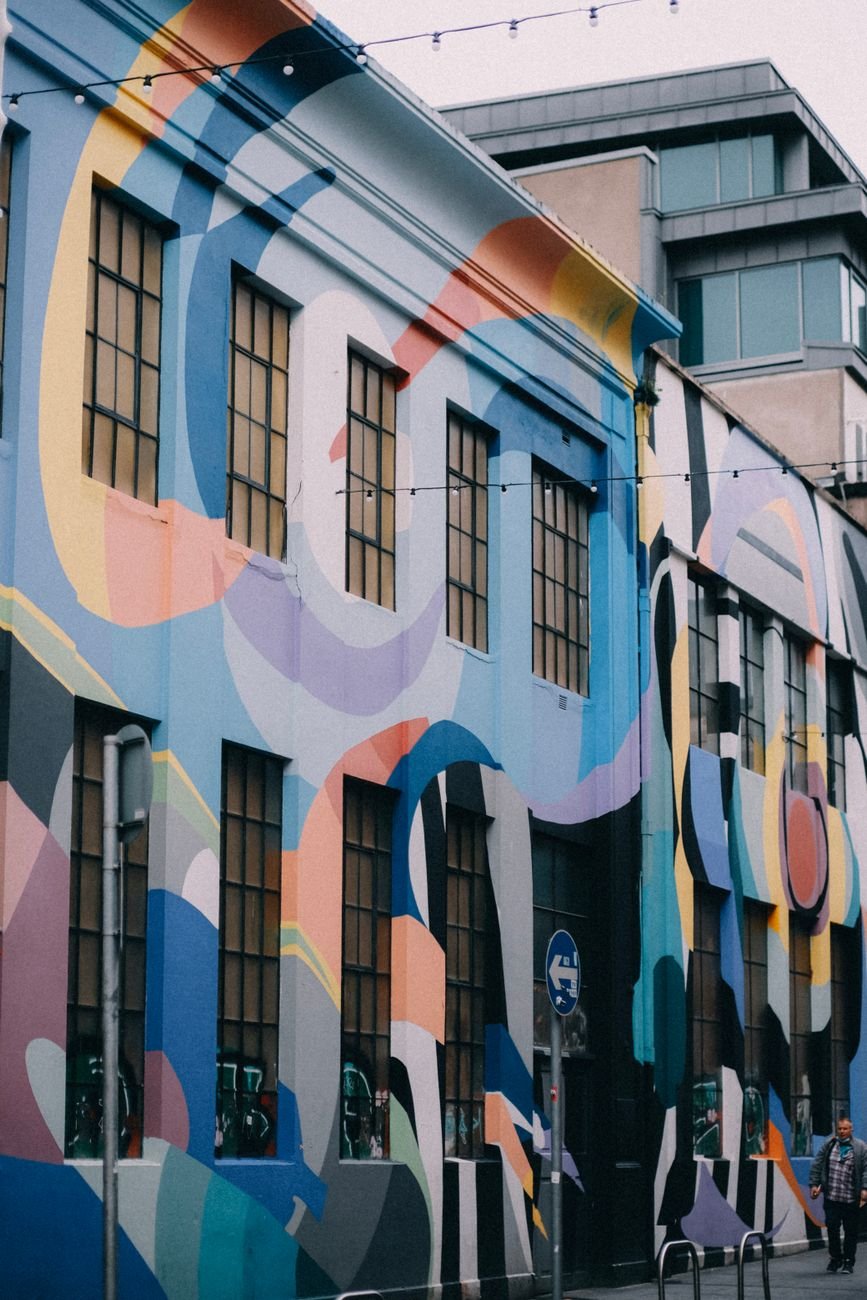
Beyond that single wall, the Gulch has quietly built out a broader collection of large-scale murals across parking garages and alley walls throughout the district. None of them require a map. You just walk the main corridors and side streets and they appear, ranging from abstract color fields to portraiture. Treat it as a self-guided walk rather than a checklist. Bring a camera, wear shoes you can stand in for an hour, and let the district's public art do the work of turning a plain walk into an afternoon.
Food and Drink Without the Broadway Crowd
Where the Gulch Eats
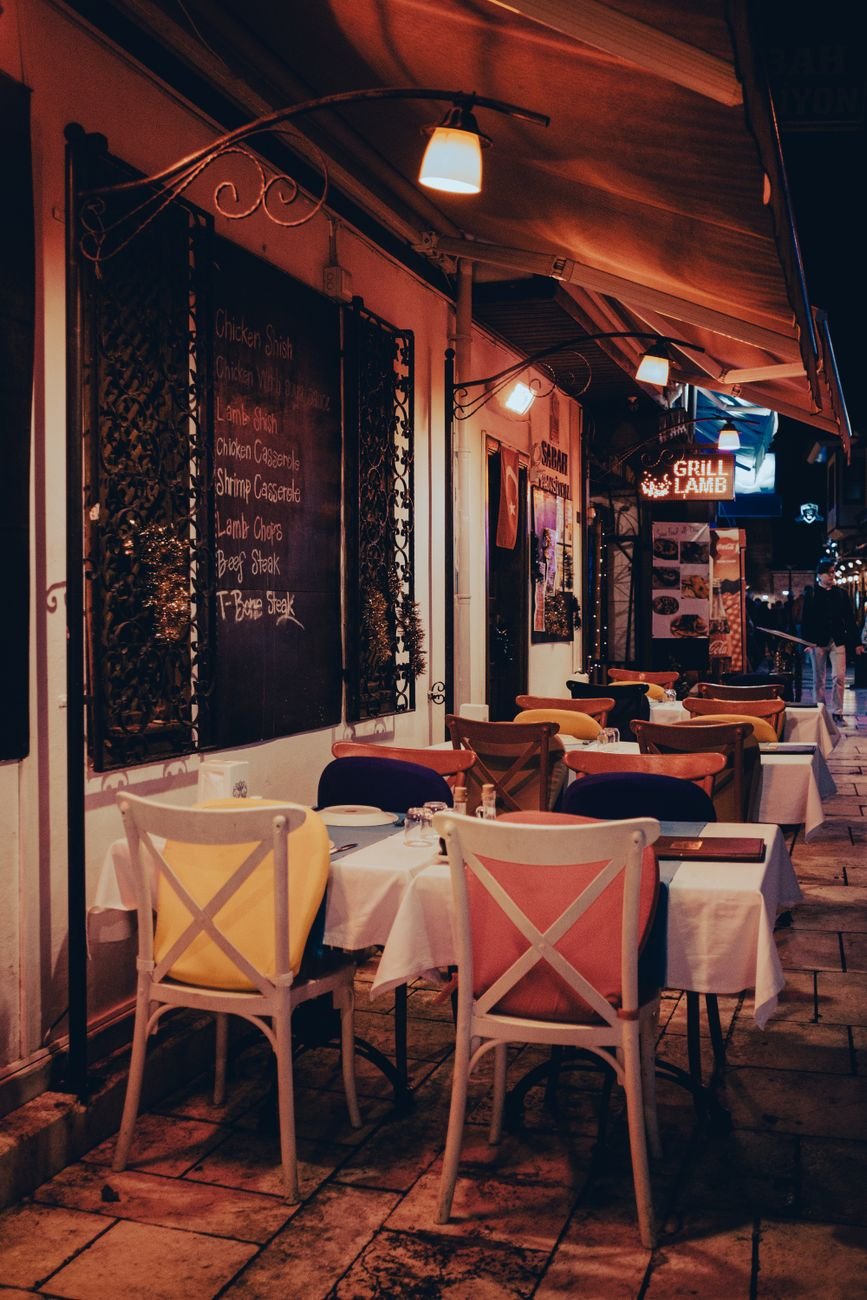
Dining in the Gulch skews upscale and modern Southern rather than old-school. It's not really meat-and-three territory, and a local won't pretend otherwise; that institution lives elsewhere in the city, in diners that have been serving the same steam-table classics for generations. What the Gulch does instead is patio culture: restaurants with garage-door windows that open onto the sidewalk and kitchens turning out refined takes on Southern staples, sometimes including a version of hot chicken dialed down from Prince's original fire. The scene changes fast, with new openings and closings every year, so it rewards wandering rather than chasing a single name. Walk a couple of blocks at dinnertime and you'll find a patio with an open table.
Worth noting for anyone picturing Nashville as one long concert crowd: a good share of the people filling those patios at lunch are hospital administrators and healthcare executives, not tourists. Nashville is a major hub for the healthcare management industry, with hospital systems and health companies headquartered in and around downtown, and the Gulch sits close enough that its restaurants double as informal meeting spots for that entire workforce on weekdays.
Rooftop Bars and the Cocktail Scene
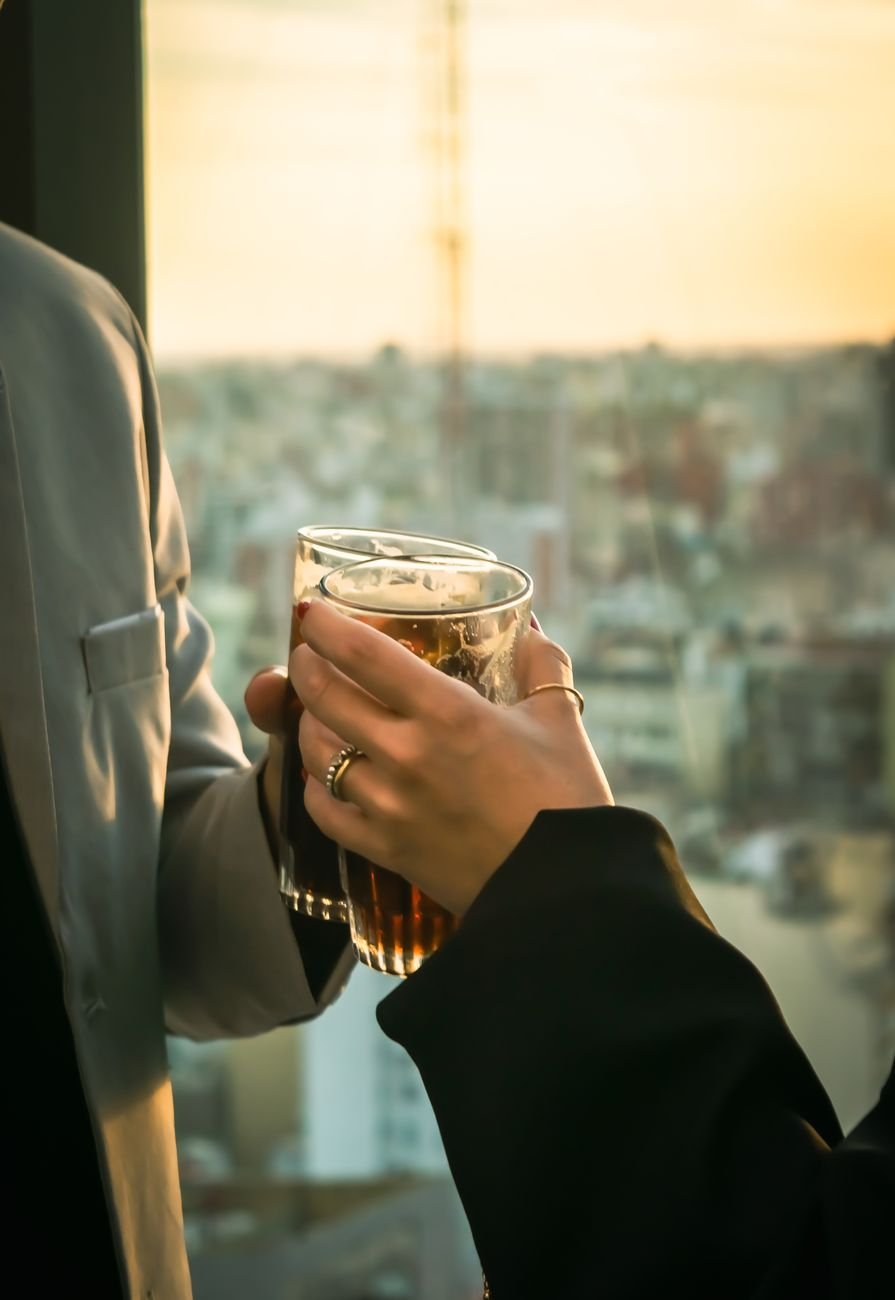
Several of the Gulch's taller buildings have rooftop bars with skyline views, and hotel bars in the district lean into strong, well-made cocktails rather than the Pabst-and-well-drinks pace of Lower Broad. This is closer in spirit to the craft cocktail bars found in East Nashville and Germantown, part of a citywide shift in the city's cocktail scene toward serious bartending rather than novelty drinks. Go at sunset if you want the skyline payoff, or later if you'd rather have the bar to yourself. The insider tip here is to check whether a rooftop requires a reservation or minimum before you climb the stairs, since policies vary building to building and change without much notice.
Shopping the Gulch: Boutiques Over Big Box
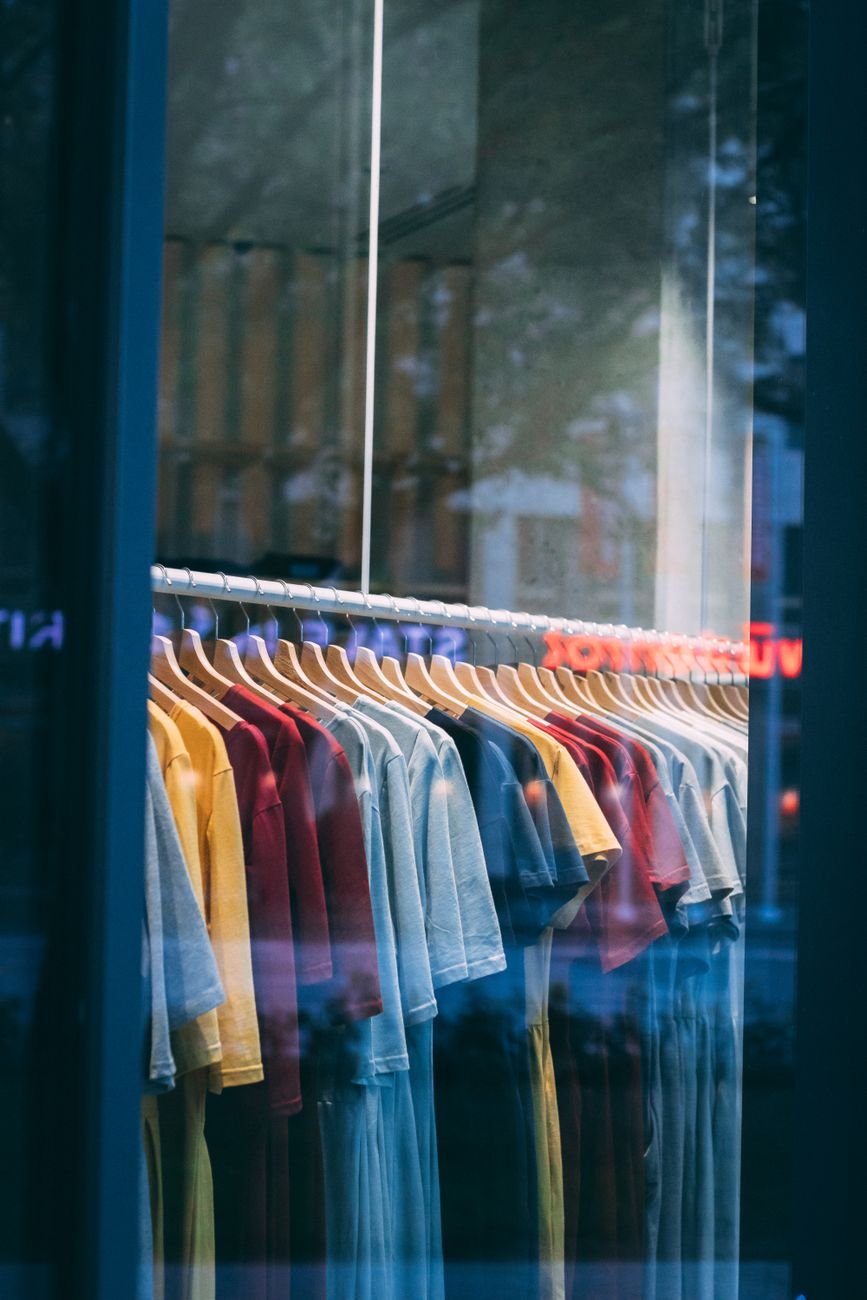
The Gulch's retail mix runs toward independent boutiques rather than mall anchors: clothing shops with a real point of view, home goods stores, athletic and outdoor gear, and a scattering of galleries. It's the kind of shopping built for browsing rather than a specific errand, ground-floor spaces tucked under apartments with big windows facing the sidewalk. Locals who complain about the Gulch's polish will still admit the shopping here beats most strip malls, and the walkability means you can cover six or eight storefronts in the time it takes to find parking somewhere else in the city. Go on a weekday afternoon if you want quiet aisles and actual attention from staff.
Coffee and Slow Mornings
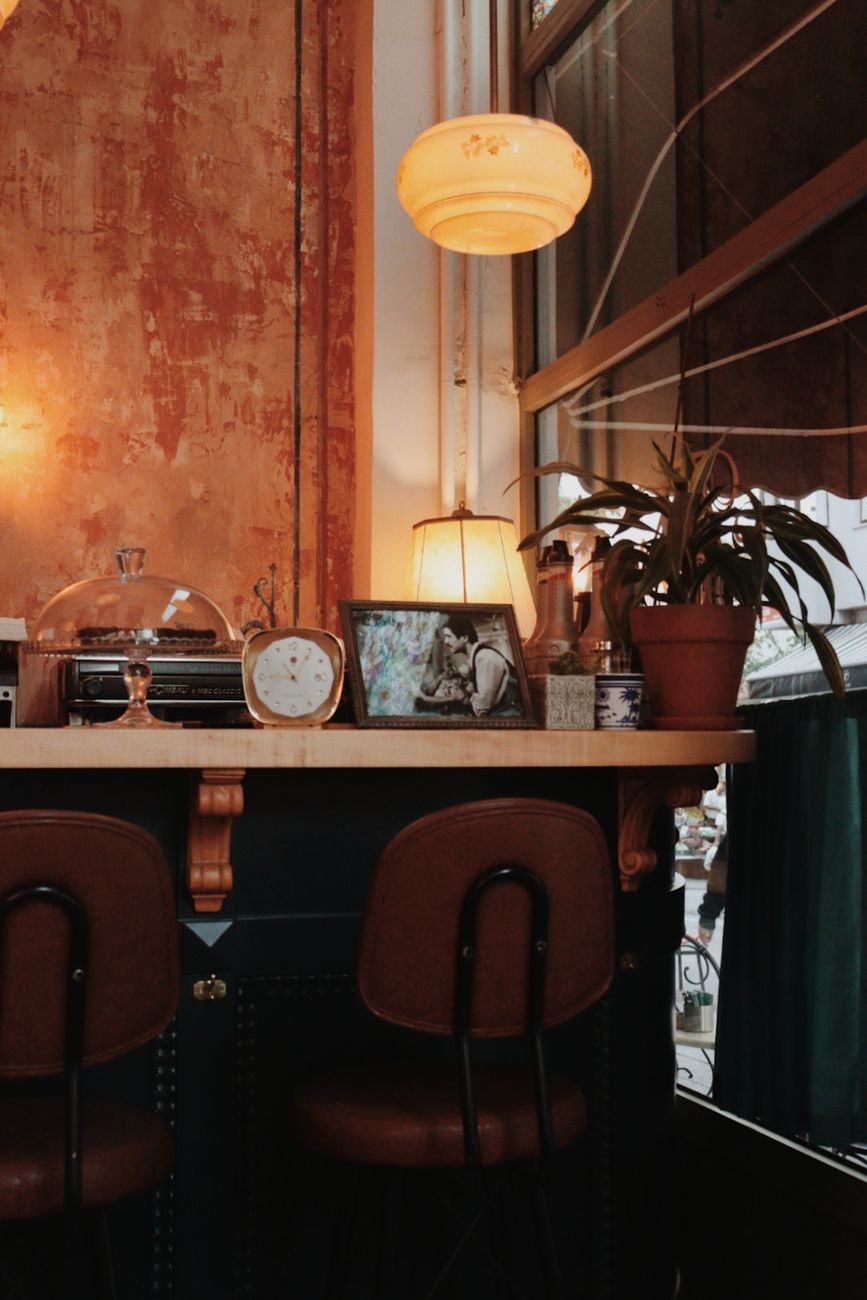
The district has no shortage of coffee shops, most doing double duty as informal offices for the laptop crowd and quick stops for the healthcare workers and downtown employees who fill the neighborhood on weekday mornings. The good ones roast with intention rather than just slapping a local label on a bag, and several have patio seating that makes an ordinary cup of coffee feel like the right way to start a Gulch morning before the shops open. Skip the chains if you can and look for the independent spot with a line of regulars rather than tourists, a decent sign you've found the real one.
Walking the District: Architecture and the Bridge
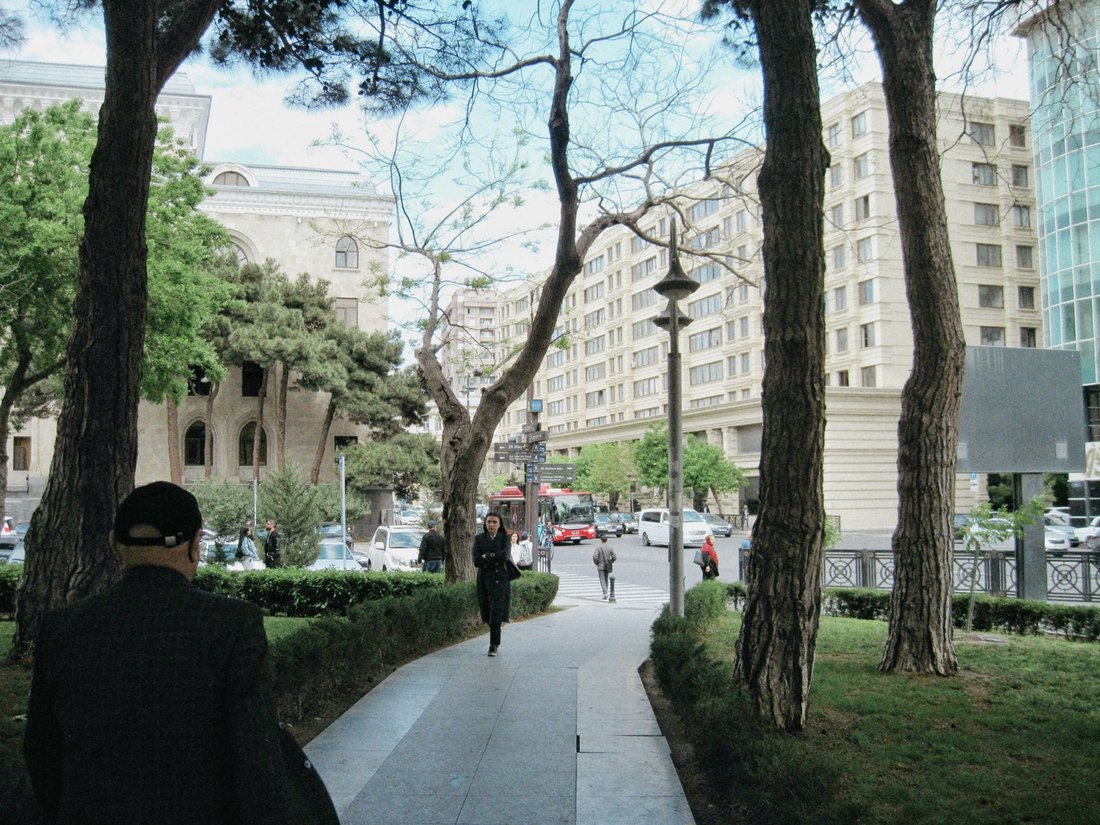
The Gulch rewards a slow walk more than almost any other part of downtown Nashville. The architecture is worth paying attention to on its own: glass towers next to converted brick warehouses, rooftop gardens visible from the street, and a street grid built at a human scale even though the buildings around it are tall. Locals who find the district sterile usually mean the ground floor, not the bones, and the bones here are genuinely interesting if you look up instead of just walking through. Plan on covering the district on foot rather than by car; it's compact enough that a car mostly gets in the way.
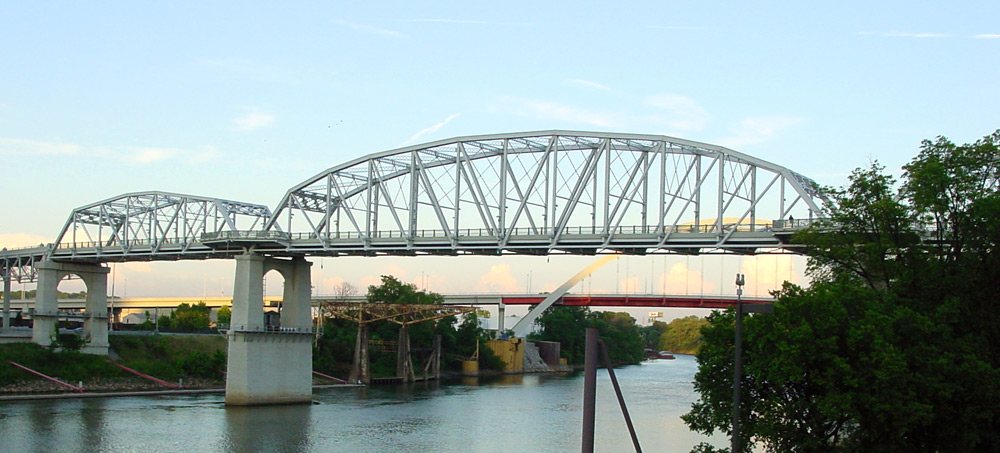
From the eastern edge of the Gulch it's a short walk to the John Seigenthaler Pedestrian Bridge, which carries foot traffic from downtown across the Cumberland River to the East Bank. The bridge gives one of the best skyline views in the city, especially near sunset when the downtown towers catch the light. It's free, it's flat, and it connects two very different sides of the river in about the time it takes to cross a few blocks. Bring water in the summer, since there's no shade on the span itself.

Union Station and the Frist, Just Outside the Gulch
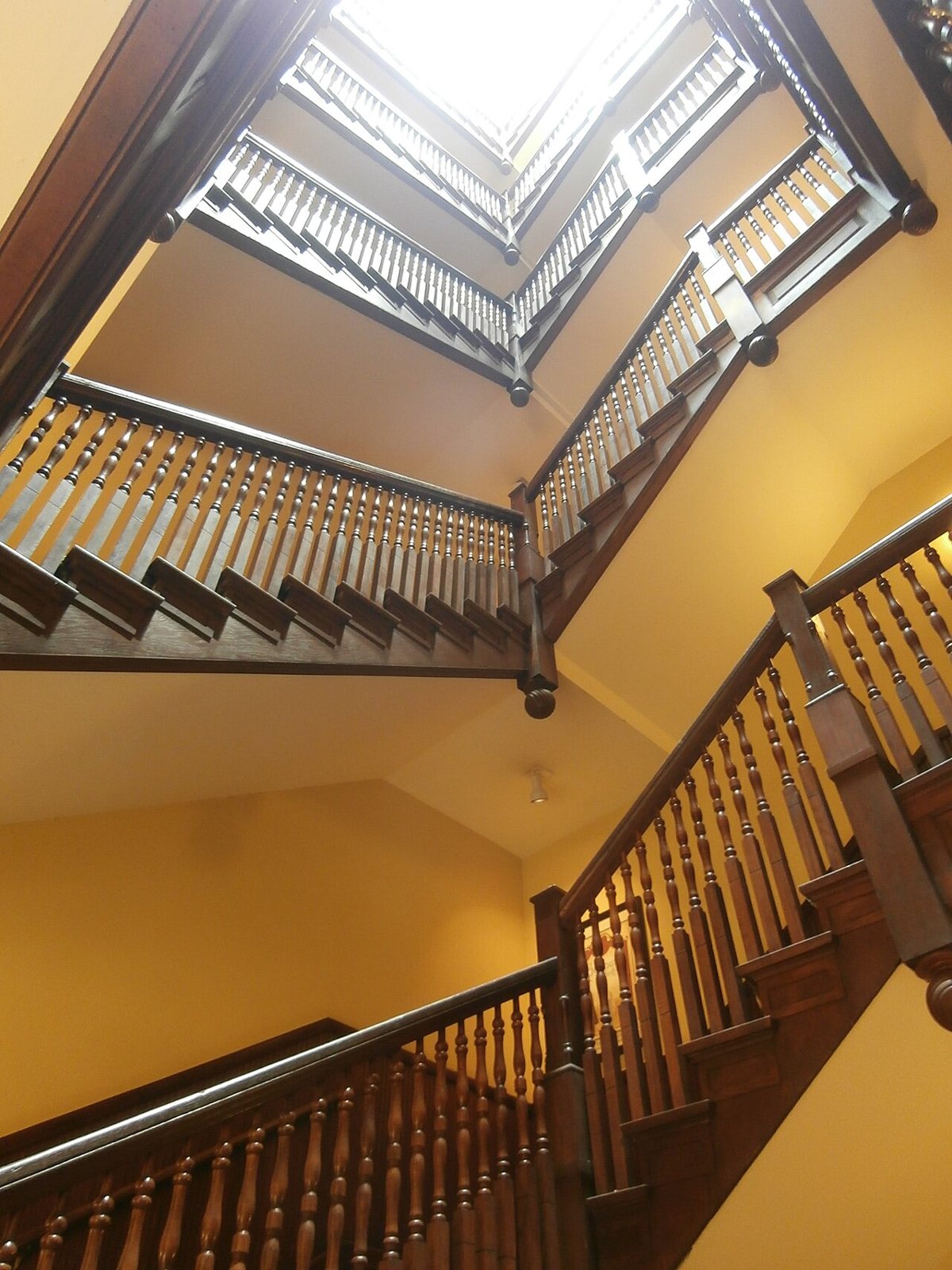
A few blocks from the Gulch's northern edge sits Union Station, a former train terminal with a Romanesque facade now operating as a hotel. It's not technically in the Gulch, but it's an easy add-on walk and worth a look even if you're not staying there; the lobby retains real character from its railroad-era origins, stained glass and all. Peek inside if the doors are open. It's the kind of building that reminds you Nashville had a working rail economy long before it had a tourism economy.

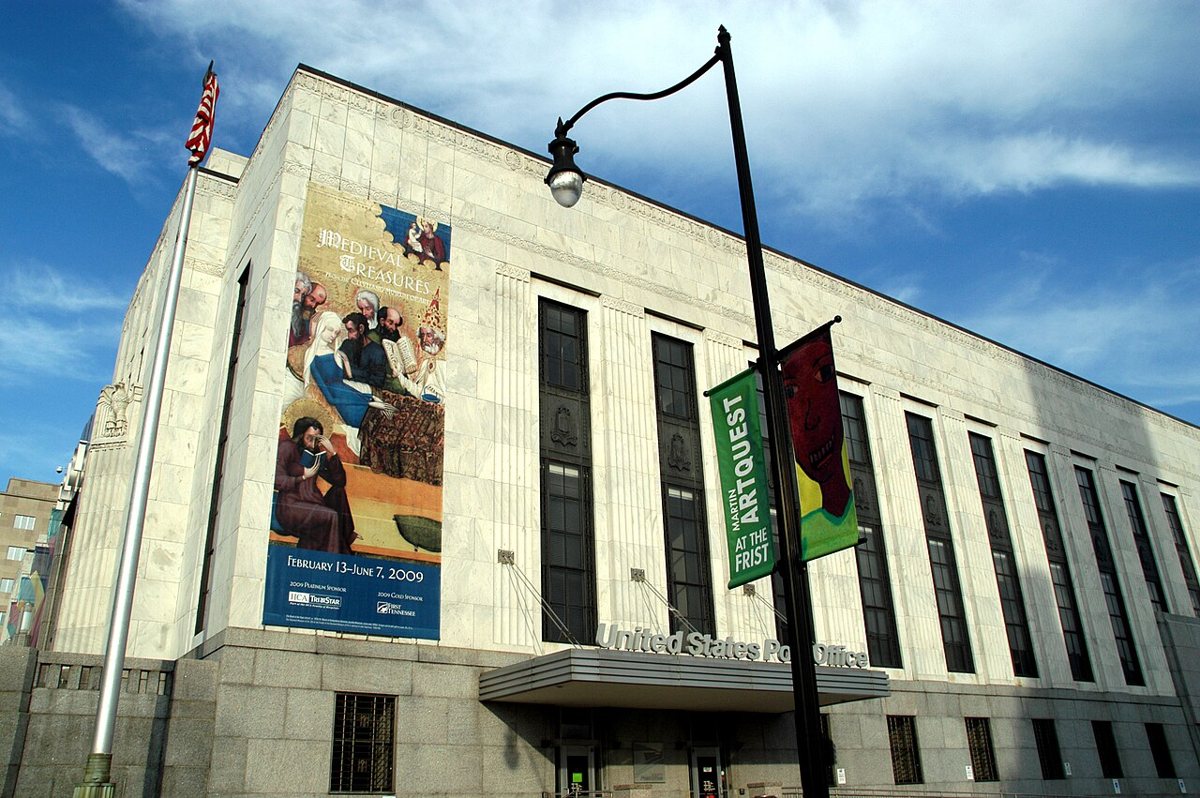
The Frist Art Museum sits nearby as well, housed in a striking art deco building that used to serve as the city's main post office. It's an easy extension of a Gulch afternoon rather than a true Gulch attraction, but the walk over is short and the building alone justifies the detour, regardless of what's showing inside. Check current hours and whatever exhibit is up before you go, since the museum's calendar rotates.

How the Gulch Came Together
The name is literal. This was a low-lying gulch where rail lines ran below the grade of downtown, a working freight corridor that sat half-forgotten for decades after passenger rail faded. When developers started building here in the early 2000s, they weren't reviving a historic Main Street so much as inventing a neighborhood where little had stood before, which is why the Gulch reads as newer and more planned than the rest of central Nashville. The district is often cited as one of the first LEED-certified neighborhoods in the South, a green-building distinction that says a lot about how deliberately it was designed and a little about why longtime locals find it a touch corporate.
That origin story matters when you visit, because it explains the tension you feel walking around. There is no century-old honky-tonk in these blocks, no meat-and-three that has fed three generations of the same family. In its place sits density done on purpose: apartments over shops over restaurants, sidewalks wide enough to matter, and a scale that rewards walking in a city that mostly assumes a car. Judge the Gulch as a new neighborhood finding its footing rather than an old one preserved, and it holds up better.
Weekend Brunch and the Coffee Crowd
Weekend mornings turn the district into a brunch neighborhood, with patios filling not long after they open and the wait for a table growing through the late morning. The cooking skews toward polished Southern breakfast plates, biscuits and eggs, sometimes a plate of hot chicken and waffles, served in rooms brighter and cleaner than the honky-tonk diners across town. Arrive early if you want a table without a wait, or lean into the wait and use it to walk another block of murals first. The same crowd that fills the coffee shops on weekday mornings, downtown workers and healthcare staff on a break, gives way on weekends to visitors and locals treating brunch as the main event rather than a quick stop.
Pairing the Gulch With the Rest of Downtown
Part of what makes the district worth a visit is how easily it connects to everything around it. Lower Broadway and its honky-tonks sit a short walk north, close enough that you can start with a quiet bluegrass set at the Station Inn and end the night in the noise of Broadway if that's the contrast you want. The Music City Center convention complex and the arena district are within an easy walk as well, which is why the Gulch fills up around big events downtown. Head the other direction, across the river on the pedestrian bridge, and you reach the East Bank and the stadium area, a different side of the city entirely.
The practical upshot is that you don't have to treat the Gulch as a standalone destination. It works best as one leg of a longer downtown walk, a place to eat well and hear real music before or after whatever else brings you to the center of the city. A visitor with a free afternoon and evening can reasonably fold the Gulch, Broadway, and a river crossing into a single unbroken walk without ever moving a car.
When to Go
The Gulch works in every season, but the experience shifts with the weather. Spring and fall are the easy months, mild enough to sit on a patio through dinner and comfortable for the long walk the neighborhood rewards. Summer pushes the good hours toward morning and evening, since the middle of a Tennessee afternoon can be brutal on the shadeless stretches near the bridge. Winter thins the patio crowds and moves the energy indoors, toward the music rooms and the cocktail bars, which is its own kind of pleasant if you'd rather not fight for a table. Weeknights in any season run quieter and easier than weekends, when brunch lines and event traffic both peak.
If you only have half a day, a simple loop covers the essentials. Start with coffee at one of the independent shops before the crowds arrive, walk the murals while the light is good and the wall in front of the angel wings is still empty, and browse a few boutiques as they open. Break for lunch on a patio, then cross the pedestrian bridge for the skyline view and walk back. Save the evening for a set at the Station Inn, with a cocktail before or after at one of the rooftop or hotel bars. That sequence moves with the neighborhood's own rhythm, quiet and caffeinated in the morning, social and musical after dark, and it never once requires getting back in the car.
Getting There, Parking, and What's Free
The Gulch sits close enough to downtown that most visitors staying near Broadway or the convention center can walk in under fifteen minutes. Ride share drops are easy along the main corridors, and the district connects on foot to both downtown and the pedestrian bridge toward the East Bank without much elevation change. A few practical notes for planning the visit:
- Parking is mostly structured garages rather than street spots, so budget a few extra minutes to find one and check current rates before you commit.
- Once you're parked, the whole district is walkable in under half an hour end to end, so there's little reason to move the car again.
- Free things to do include the mural walk, window shopping the boutiques, and crossing the pedestrian bridge for skyline views.
- Rideshare and walking both beat driving in the evening, when patio crowds and valet lines slow traffic on the main streets.
- Comfortable shoes matter more than anything else you pack, since the appeal here is genuinely in the walking.
Gulch Events Worth Timing Your Visit Around
The district hosts occasional street festivals and seasonal markets tied to its plazas and open spaces through the year, along with the ordinary rhythm of restaurant patios filling up for weekend brunch. None of these run on a fixed annual date worth memorizing here, so the practical move is to check the Gulch's current event listings for whatever week you're actually visiting rather than planning around something that may have moved or changed. What stays consistent is the baseline: live music most nights at Station Inn, open patios, and a mural walk that never really closes.
What the Gulch actually is depends on who's answering. To a developer, it's a case study in what dense infill can do to a rail yard in fifteen years. To a musician playing a folding-chair set at Station Inn, it's a room that hasn't changed while everything around it has. To a longtime Nashvillian, it can read as the neighborhood that got glassed over first, a preview of what's since happened to parts of East Nashville and beyond. None of those readings cancels the others out. The Gulch is polished in a way this city sometimes isn't, and that polish is exactly what makes it useful: a place where you can walk six blocks, hear real bluegrass, stand under a mural, eat something better than you expected, and cross a bridge to watch the sun go down over a skyline that used to be a rail cut. Judge it for what it is, not for what it replaced.