The Gulch Neighborhood Guide Worth Exploring
The condo towers get the postcard shot, but the Gulch's real case is walkability, and locals have complicated feelings about the rest of it.
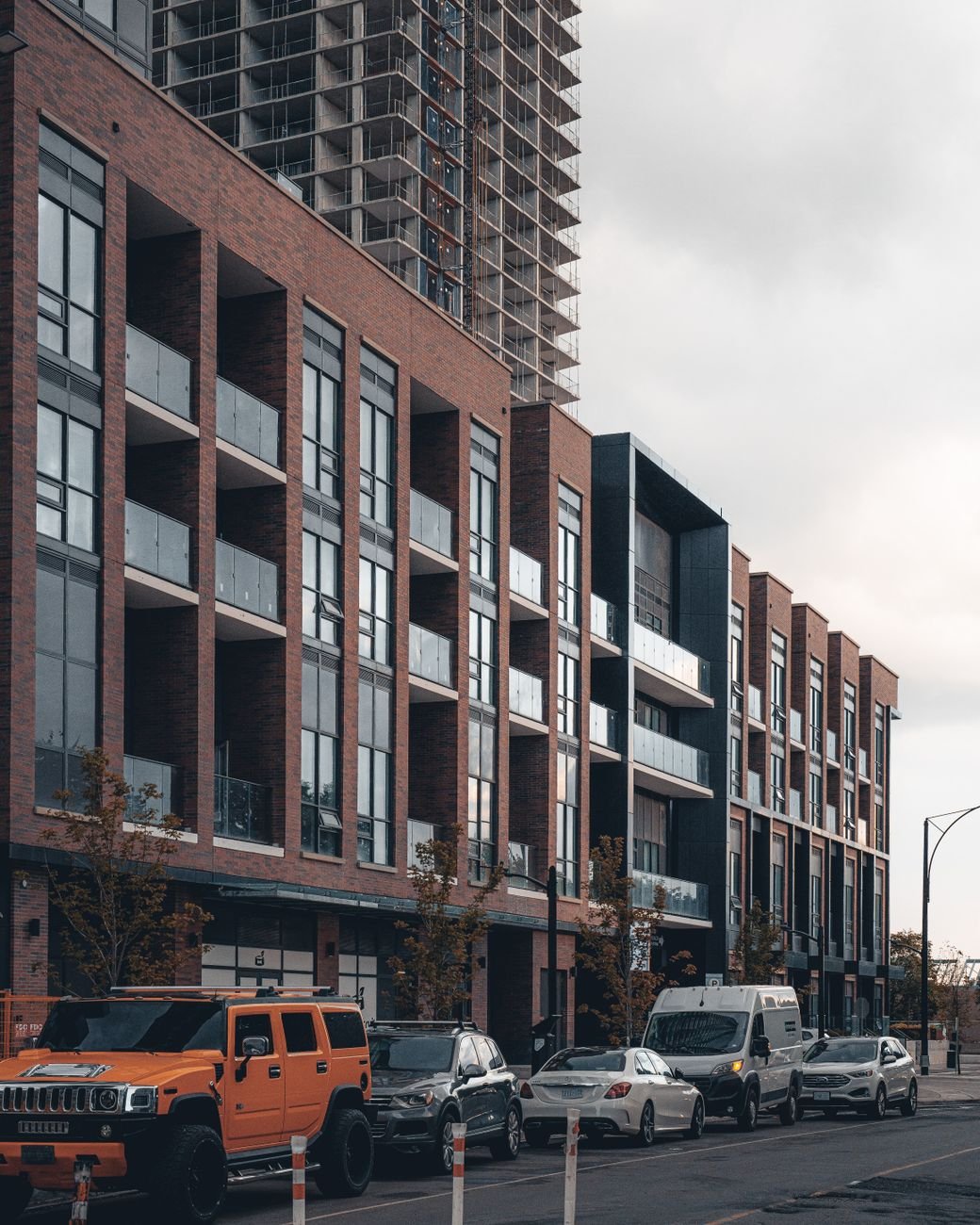
Stand at the corner of 12th and Division around 6 p.m. on a Thursday and watch the crosswalks fill with hospital badges still clipped to scrubs, a woman rolling a bike toward the Gulch Greenway, and two guys in blazers arguing about a lease renewal outside a glass lobby. Nobody is wearing cowboy boots. That's the tell. This is a neighborhood built on a former CSX rail yard, and it still moves like one — efficient, a little clipped, everyone headed somewhere specific.
You could call this the Gulch neighborhood guide, and like any honest one it starts with what the Gulch is not. It is not a honky-tonk strip, and it is not trying to be. It sits a short walk south of Lower Broad and downtown, close enough that visitors staying in one of its towers can hear the crowds on a still night, far enough that the neighborhood keeps its own, quieter register. Locals who work downtown cut through here on foot because it's one of the few patches of the city actually built for a person without a car — sidewalks that connect, curb cuts that make sense, crosswalks with enough time to cross them.
What the Gulch neighborhood guide gets right about the district's design
The Gulch markets itself as Nashville's first LEED-certified neighborhood, and whatever you think of the phrase, the bones back it up. Streets were laid out for density from the start rather than retrofitted onto a grid meant for warehouses and freight cars, even though warehouses and freight cars are exactly what used to be here. Old brick industrial buildings share blocks with condo towers that went up over the past two decades, and the mix reads more coherent on the ground than it does from a distance. Overhead walkways and a pedestrian bridge tie the district to downtown, which matters more than it sounds like it should — it means you can park once, or not drive at all, and cover the Gulch, Lower Broad, and the riverfront on foot in an afternoon.
Locals who don't live there will tell you, without much prompting, that it feels sterile. That's not entirely unfair. The architecture leans glass and steel, the ground-floor retail turns over with the churn of any high-rent district, and there's a scrubbed, planned quality that reads as corporate next to the porches and DIY energy of a neighborhood like East Nashville. But the criticism and the appeal come from the same source. The Gulch was built, not accumulated, and a neighborhood that gets built all at once trades grit for consistency. You know the sidewalk will be there. You know the crosswalk signal works.
Murals, retail, and the photo culture around the Gulch
Ask anyone with an Instagram account under thirty why they came to the Gulch and murals are usually near the top of the answer. The neighborhood has become one of the city's default backdrops for exactly that reason — big painted walls tucked between retail storefronts, the kind of thing a bachelorette party and a family on a layover both end up photographing within an hour of each other. The most famous of these, a pair of painted wings on a Gulch wall, has become genuinely iconic enough that people plan a stop around it without knowing the artist or the address, which is its own kind of Nashville phenomenon. Treat any specific mural location as something to confirm on the ground rather than from memory, since public art in a fast-changing district moves and gets painted over more than people expect.
Retail here runs boutique and design-forward: home goods, apparel, the kind of storefronts that rotate seasonally. It's a good afternoon for browsing rather than hunting for a specific item, and it pairs naturally with a coffee stop between blocks.
Getting there and getting around
- Walk it from downtown. The pedestrian bridge and the walkway network make the Gulch one of the easiest downtown-adjacent neighborhoods to reach without a car, and parking downtown once covers both.
- Expect paid garage parking if you drive. Street spots are limited and turn over fast near restaurant rows.
- Scooters and rideshare fill the gap for anyone staying farther out, but the neighborhood's whole appeal is that you often don't need either.
- Evenings get louder near the restaurant clusters and quieter fast once you're a block off the main corridors, which is worth knowing if noise matters to your plans.
Dining, drinks, and how the Gulch stacks up against the rest of the city
The dining scene leans upscale and polished, heavier on plate presentation and wine lists than on the meat-and-three tradition that still anchors so much of Nashville's food identity. That's a fair trade for some visitors and a disappointment for others. If you came to this city for hot chicken served in a parking lot, you'll find the Gulch's version of a night out gentler and pricier, closer to what you'd expect in a downtown business district in any growing Southern city. Cocktail bars here tend toward the polished end too, well-made and well-lit rather than dim and idiosyncratic, which puts them in a different lane from the craft bars turning up in East Nashville and Germantown.
None of that makes the neighborhood a letdown. It makes it a specific kind of night: a walkable evening where you can move from dinner to a rooftop to a nightcap without ever getting in a car, in a part of town that was still active rail infrastructure within living memory. Healthcare workers coming off shift at the medical campuses nearby treat it as a normal, unglamorous part of the city, not a tourist stage set, and that everyday use is worth remembering next to the skyline photos.
The honest takeaway: come to the Gulch for the walk, the density done right, and the wings mural everyone's seen online, but don't expect the funk and rough edges of Nashville's older neighborhoods. It's a different kind of Nashville block, useful precisely because it's different, and it earns a stop on its own terms rather than as a stand-in for the rest of the city.