Best New Restaurants in Nashville Worth the Trip
Lower Broad is a costume the city wears for tourists. The real story is playing out in Germantown warehouses, East Nashville storefronts, and a meat-and-three tradition that new chefs keep borrowing from.
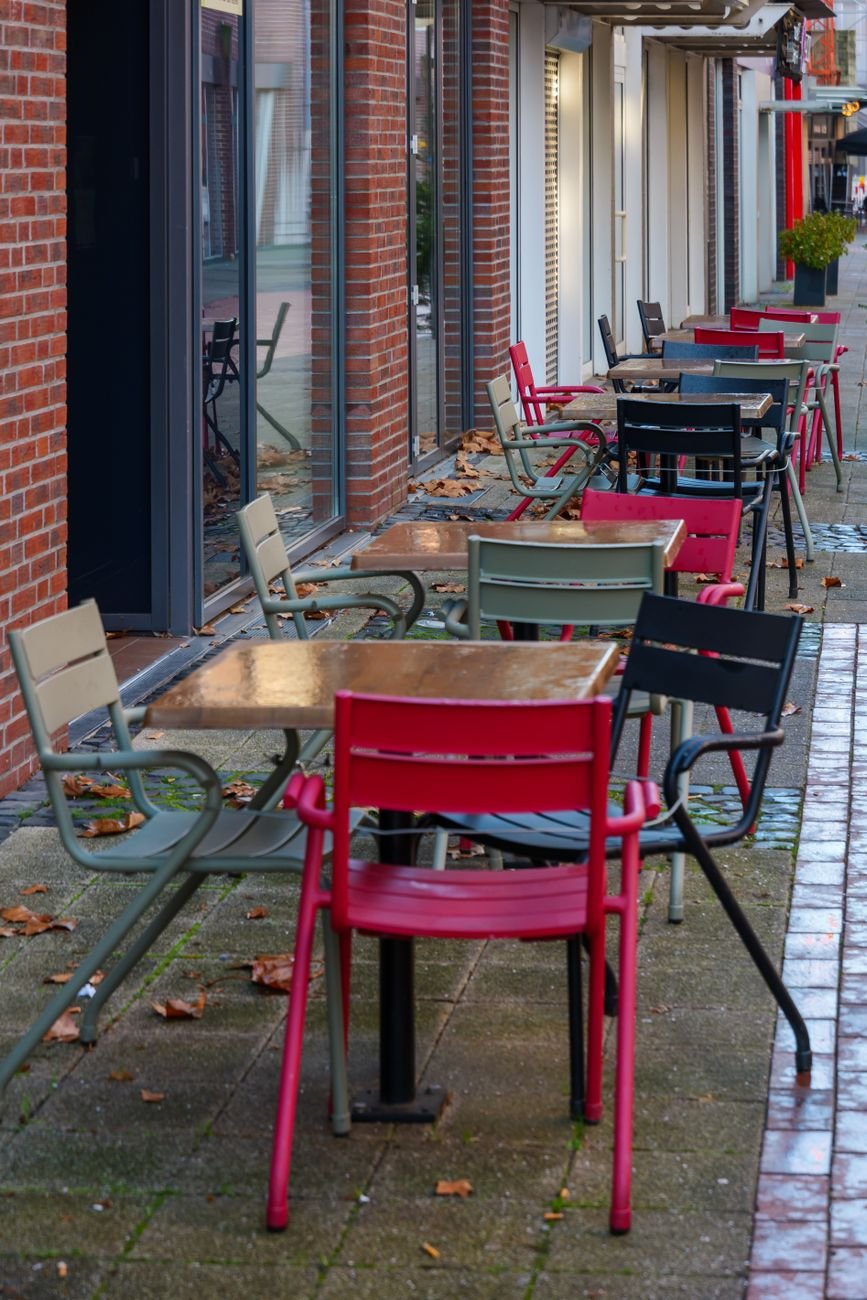
By 7 p.m. on a Tuesday, the sidewalk tables near the Nashville Farmers' Market are full, and nobody at them is wearing a rented cowboy hat. Anyone chasing the best new restaurants in Nashville learns quickly that the real action left Lower Broad years ago. It moved into old warehouses in Germantown, bungalow blocks around East Nashville's 5 Points, and the auto-body stretch of Wedgewood-Houston, where cooks who spent a decade running other people's kitchens are now running their own. This is a food city that happens to have a honky-tonk strip, not the other way around, and the distinction matters if you actually want to eat well here.
How to Track Down the Best New Restaurants in Nashville
Finding new openings before they show up on every list takes a little more legwork than scrolling a top-ten roundup, most of which recycle the same five names that opened two years ago. A few habits work better.
- Follow local chefs and sous chefs directly on social media rather than restaurant accounts. Cooks announce where they're headed next long before a PR calendar catches up.
- Check health department permit and liquor license filings for the neighborhoods you care about. A new liquor license in Wedgewood-Houston or Madison is often the first public signal, weeks ahead of a soft opening.
- Read local alt-weekly and independent food writers rather than national travel roundups. Nashville has a press corps that actually eats in Madison and Antioch, not just downtown.
- Ask the vendors at the Nashville Farmers' Market who they're selling to. Produce and meat vendors know which kitchens are buying seriously before those kitchens have signage up.
Where the New Openings Are Landing
Germantown keeps absorbing new restaurants around its historic core, close enough to the farmers' market that a walk between the two is part of the appeal. It's a neighborhood built on brick storefronts and a genuine market culture, and new chefs there tend to lean into that history rather than fight it.
East Nashville, especially around 5 Points, has been a serious dining destination for well over a decade now. It is not some fresh discovery; longtime residents watched the rent triple and the parking disappear. What keeps it relevant is a concentration of chefs willing to open smaller, more personal restaurants instead of chasing a downtown tourist crowd, plus a bar scene built around genuinely good cocktails rather than plastic yard cups.
Wedgewood-Houston, still known to most locals as WeHo, is where the art galleries and studio spaces have started pulling restaurants in behind them. It reads rougher around the edges than 12South or Germantown, and that's part of the draw for chefs who want lower rent and room to take a real risk on a menu.
12South remains the neighborhood built for a Saturday afternoon of boutique shopping and a long brunch, and new restaurants there know exactly who's walking past. Expect polish, good natural light for photos, and a crowd that skews younger and more tourist-adjacent than Germantown or Madison.
Madison, further north, is the one neighborhood most out-of-town lists still skip, and that's a mistake. It's a working-class stretch of the city, and the restaurants opening there tend to serve the neighborhood first, which usually means better prices and less performance.
The Hot Chicken and Meat-and-Three Foundations
Every new chef in this city is cooking in conversation with two traditions, whether they say so or not. the city's hot chicken lineage traces back to Prince's, and locals talk about the heat spectrum the way other cities argue about barbecue regions. New restaurants rarely try to out-heat the originators. Instead they borrow the technique, the double-fry and the cayenne-laced oil, and apply it to something else entirely: a whole fish, a cauliflower steak, a sandwich built around a biscuit instead of white bread.
The meat-and-three is the other anchor, and it deserves to be treated as an institution rather than a kitschy throwback. A real meat-and-three feeds shift workers, healthcare staff coming off a rotation at Vanderbilt Medical or HCA, and retirees who have eaten at the same counter for thirty years. New restaurants that understand this tradition build a rotating vegetable case and a price point that a nurse on a lunch break can actually afford. The ones that ignore it end up serving a caricature instead of a meal.
What to Order When You Don't Recognize a Single Item
A newer restaurant's menu can be intimidating if you don't know the kitchen's background. A few reliable moves:
- Ask what's coming from the Nashville Farmers' Market that week. A kitchen sourcing locally will usually build a special around it, and it's the clearest window into what the chef actually cares about.
- Order the vegetable side before the entree if the menu has one worth mentioning. It's the fastest way to judge whether a kitchen respects the meat-and-three tradition it's working from.
- If biscuits are on the menu at all, order them. Nashville kitchens take biscuits personally, and a bad one gets noticed fast.
- Ask your server which cocktail the bar staff actually drinks after a shift. East Nashville and Germantown bars have built real cocktail programs, and the staff pick usually beats the menu's showpiece drink.
Why the Chef Talent Pool Runs Deeper Than It Used To
Nashville's restaurant boom didn't happen in isolation from the rest of the city's growth. Vanderbilt Medical Center and HCA Healthcare have both expanded steadily, pulling in a workforce that isn't here for the music industry at all, and that population wants places to eat on a Tuesday that have nothing to do with a bachelorette itinerary. At the same time, cooks who trained in bigger food cities have relocated here for a lower cost of living and opened their own places instead of staying line cooks somewhere else. The result is a kitchen bench that's stronger than it was a decade ago, filling in neighborhoods that tourists rarely bother to visit.
The Takeaway
If you're planning a trip around the best new restaurants in Nashville, skip the itinerary that stays within walking distance of your hotel downtown. Rent a car, or at least budget for rideshares, and give yourself one meal each in Germantown and East Nashville, then decide whether Wedgewood-Houston or 12South fits your afternoon better. A slow Saturday brunch in 12South will tell you something true about the city, and so will a weekday lunch at a meat-and-three in a neighborhood no guidebook mentioned. That contrast, not the strip downtown, is what Nashville's food scene actually tastes like.